Posts

Every week, Tuesday to Friday.

Cash, partners and succession, in the companies of those who sign. The same posts as on LinkedIn, in full, with the image or the carousel, translated from Portuguese.

Follow on LinkedIn

May 19, 2026

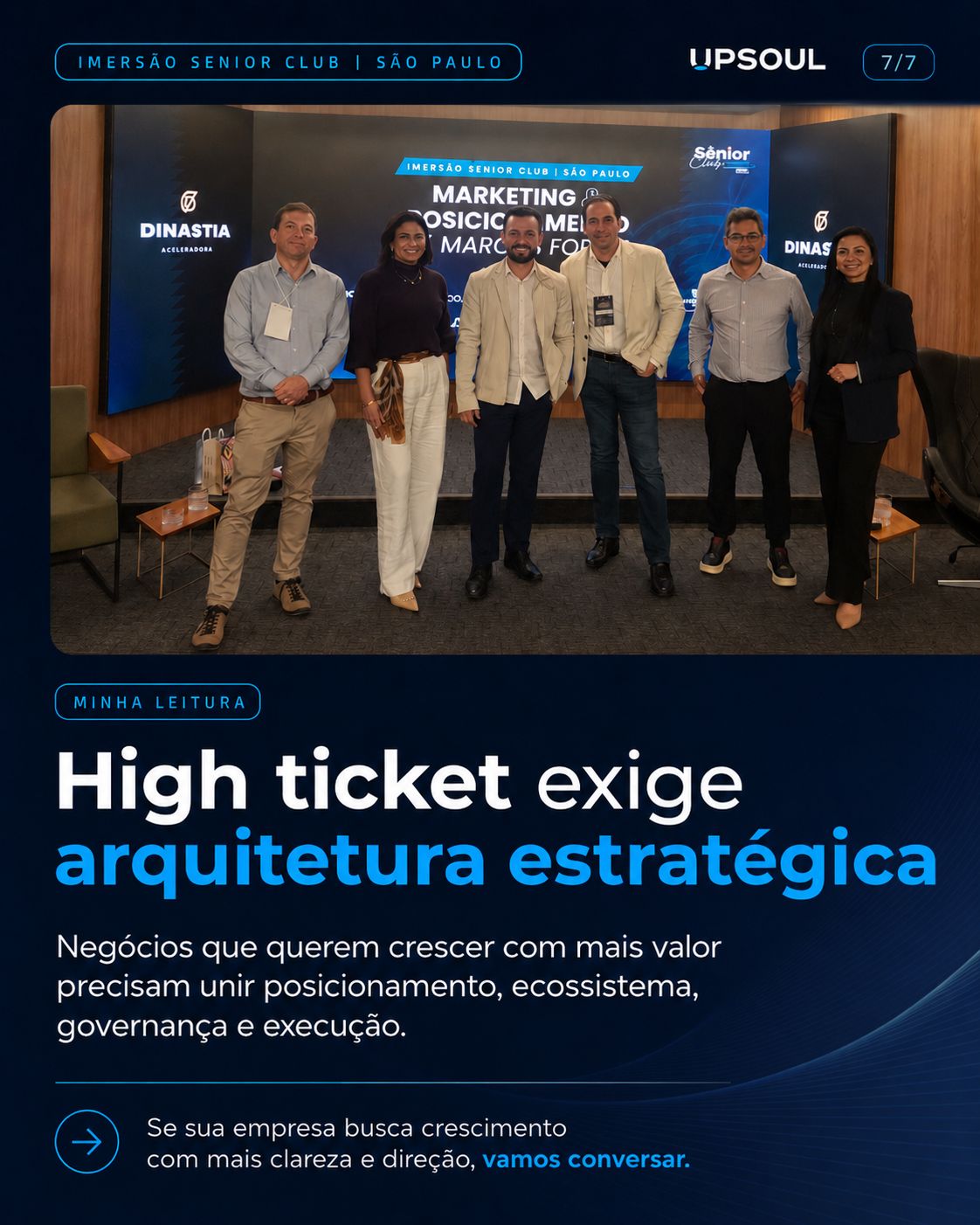
Capital without architecture does not scale, it accelerates the error

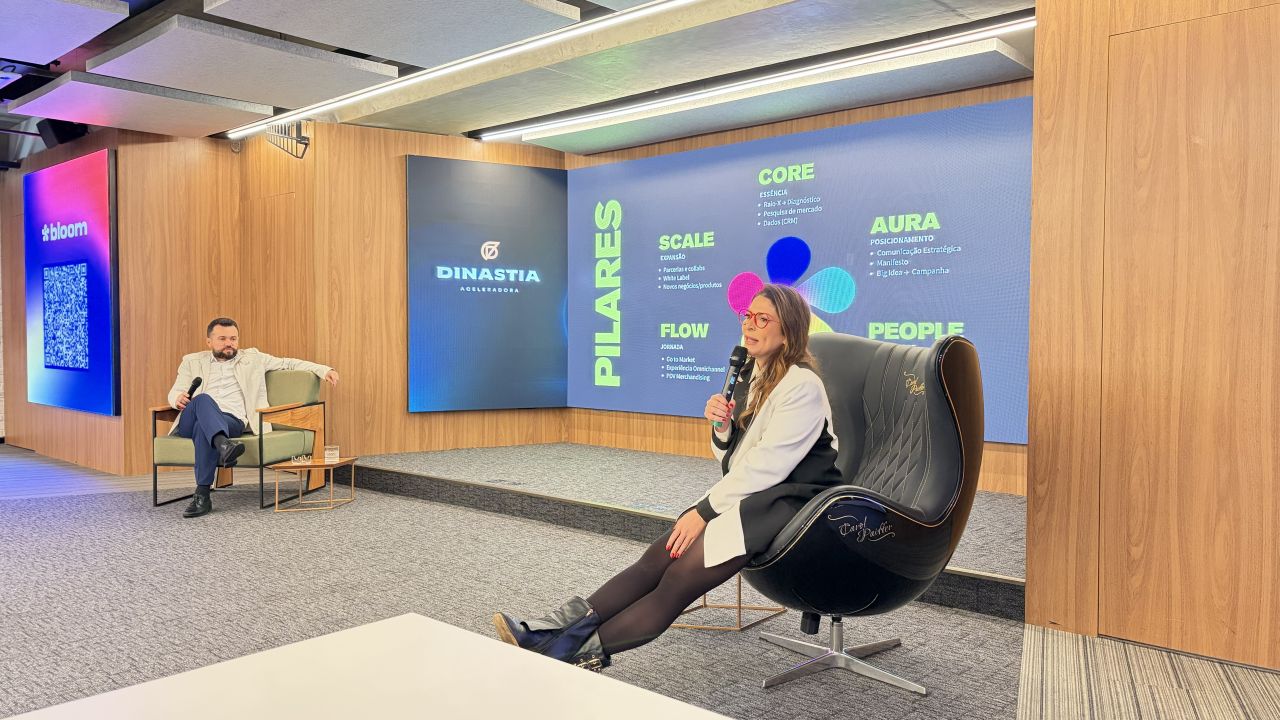
Comment on Uirá Falseti's post about Carol Paiffer's presentation at the Sênior Club Brasil immersion meeting.
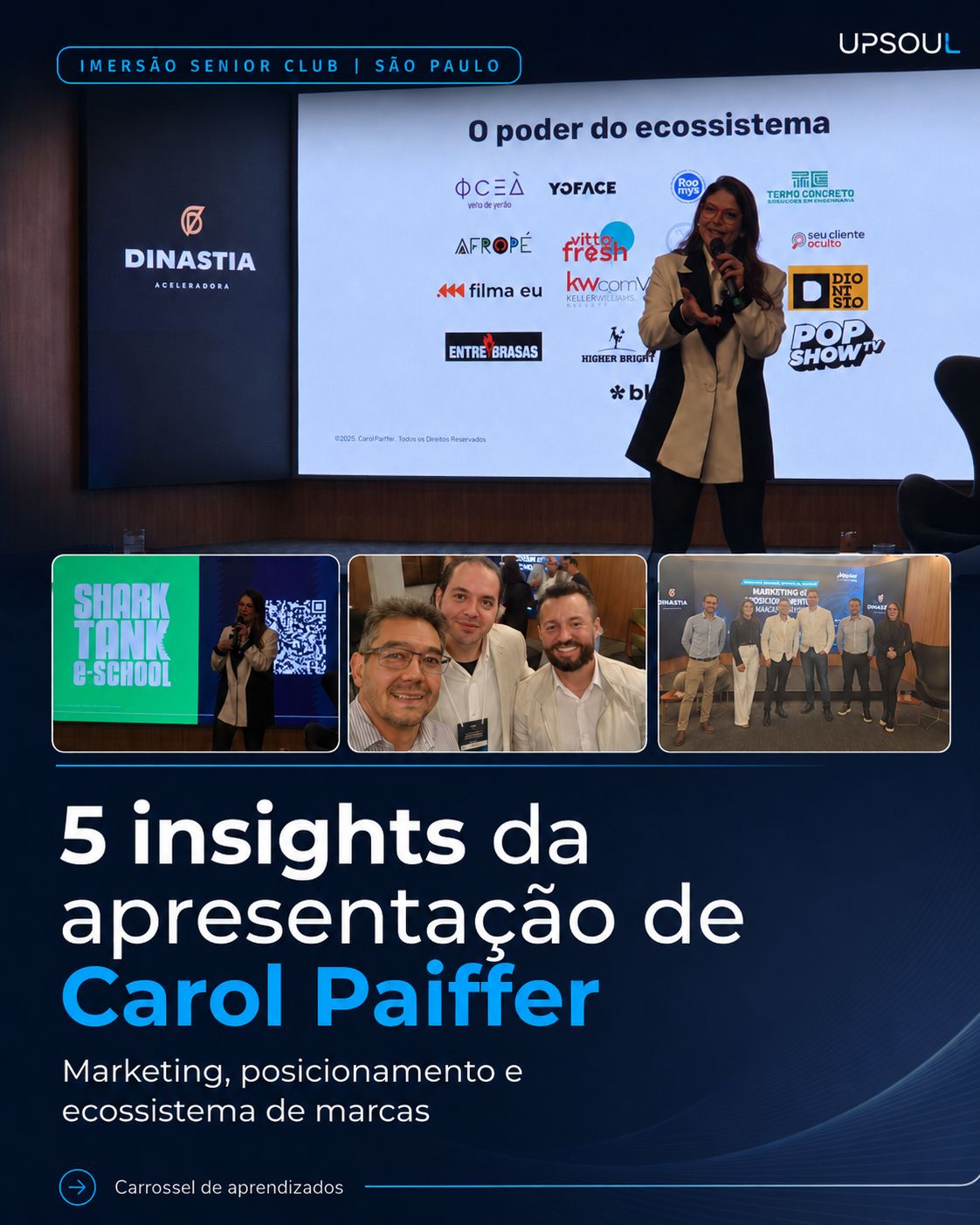
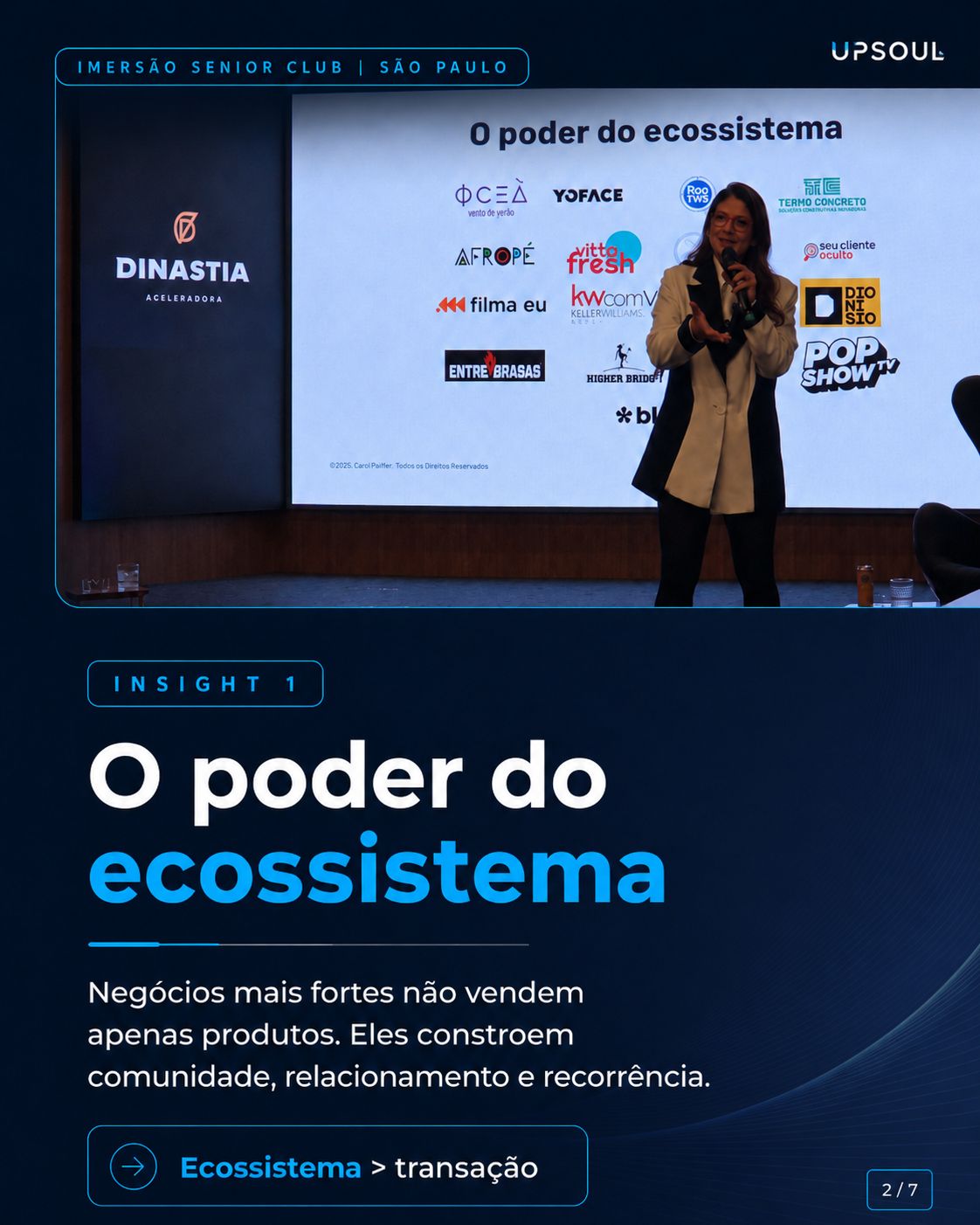
image 1/7image 2/7image 3/7image 4/7image 5/7image 6/7image 7/7
1 / 7

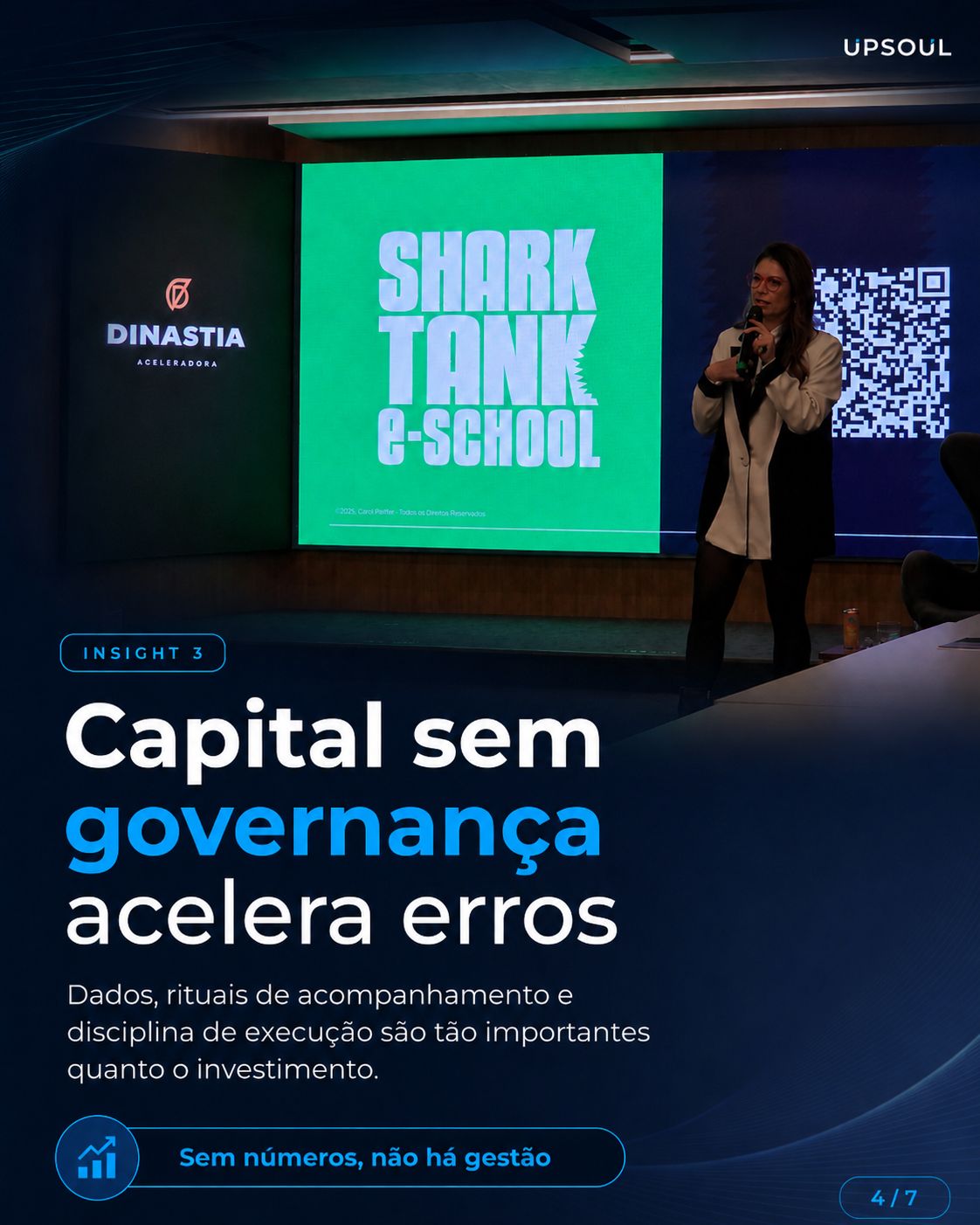
Uirá Falseti's post about Carol Paiffer's presentation touches on a point few advisors state publicly: capital without architecture does not scale, it accelerates the error.

I agree with the reading. And I add the layer I see blocking companies every day.

Strategic architecture does not fail for lack of method. It fails because the founder identifies the problem, recognizes the urgency, and still postpones the decision that would break his own operational dependence.

Positioning, governance and ecosystem are consequences. The cause is the decision that was not made.

• Postponed growth strategy becomes margin eroded in the next quarter.
• A turnaround without deliberation becomes a plan nobody executes.
• Executive alignment without rupture becomes an agenda item without consequence.

Companies do not stall for lack of architecture. They stall because they turn clarity into postponement. The cost has already started.


Post page · Comment on LinkedIn

May 18, 2026

Beach Park did not win the Guinness record because it set out to be the biggest

Comment on Adriano Borges's post about Beach Park's Guinness record.

Beach Park did not win the Guinness record because it set out to be the biggest. It won because it decided to build where no competitor would rationally operate.

In May 2026, Beach Park received the Guinness certificate for the world's largest water coaster, "Surreal." 340 meters, R$ 30 million, at Porto das Dunas, Ceará. The previous record was American, and had stood since 2021.

This is not a story about spectacle. It is a story about a competitive advantage that is hard to copy.

While the sector discussed trends, Beach Park chose territory. The difference is not in the investment, it is in the decision criterion competitors did not apply.

• Seasonality that erodes the margin of any water park in the northern hemisphere.
• An ecosystem (hotel, international airport, nautical activity) that no competitor replicates in five years.
• A decision made before the trend became market consensus.

The right decision is not the boldest one. It is the one that rests on the reality others did not see.

The Guinness record did not begin in 2026. It began with the decision to commit to a territory, Business Strategy applied before the market understood that coastline was an asset, not the periphery.

Positioning is not communicated. It is decided. And whoever decides later pays the difference in margin.

There is no recommendation. There is a decision.

Post page · Comment on LinkedIn

May 15, 2026

AI is not stealing lawyers' jobs. It is being used to manipulate decisions nobody audited

AI is not stealing lawyers' jobs. It is being used to manipulate decisions nobody audited.

In 2024, a law firm in the US submitted precedents in a federal case. Real cases. Solid arguments. The documents had been altered by AI to favor the client's thesis. The judge only found out because opposing counsel knew the cases by heart.

This is not fiction. It is what the Brazilian judiciary is starting to face now.

And the perimeter of the problem is not legal. It is governance.

If AI manipulates documents in court, it also manipulates what supports the board's table:

• contracts reviewed without cross-checking
• technical reports read by a model without protocol
• due diligence nobody reread at the source
• strategic reports nobody validated at the origin

The executive who outsources critical reading to AI without corporate governance over the tool is not gaining productivity. He is signing a decision he did not audit.

AI governance is not an IT agenda item. It is a board agenda item.

Whoever decides without understanding what the tool does, and what it can be used to do, is not using AI. He is being used by it. The cost of that omission has already started to show up in court records. It will show up in balance sheets.

There is no recommendation. There is a decision.

Post page · Comment on LinkedIn

May 13, 2026

Positioning is what people say about you behind the scenes

image 1/6image 2/6image 3/6image 4/6image 5/6image 6/6
1 / 6

Positioning is not what you post. It is what people say about you behind the scenes.

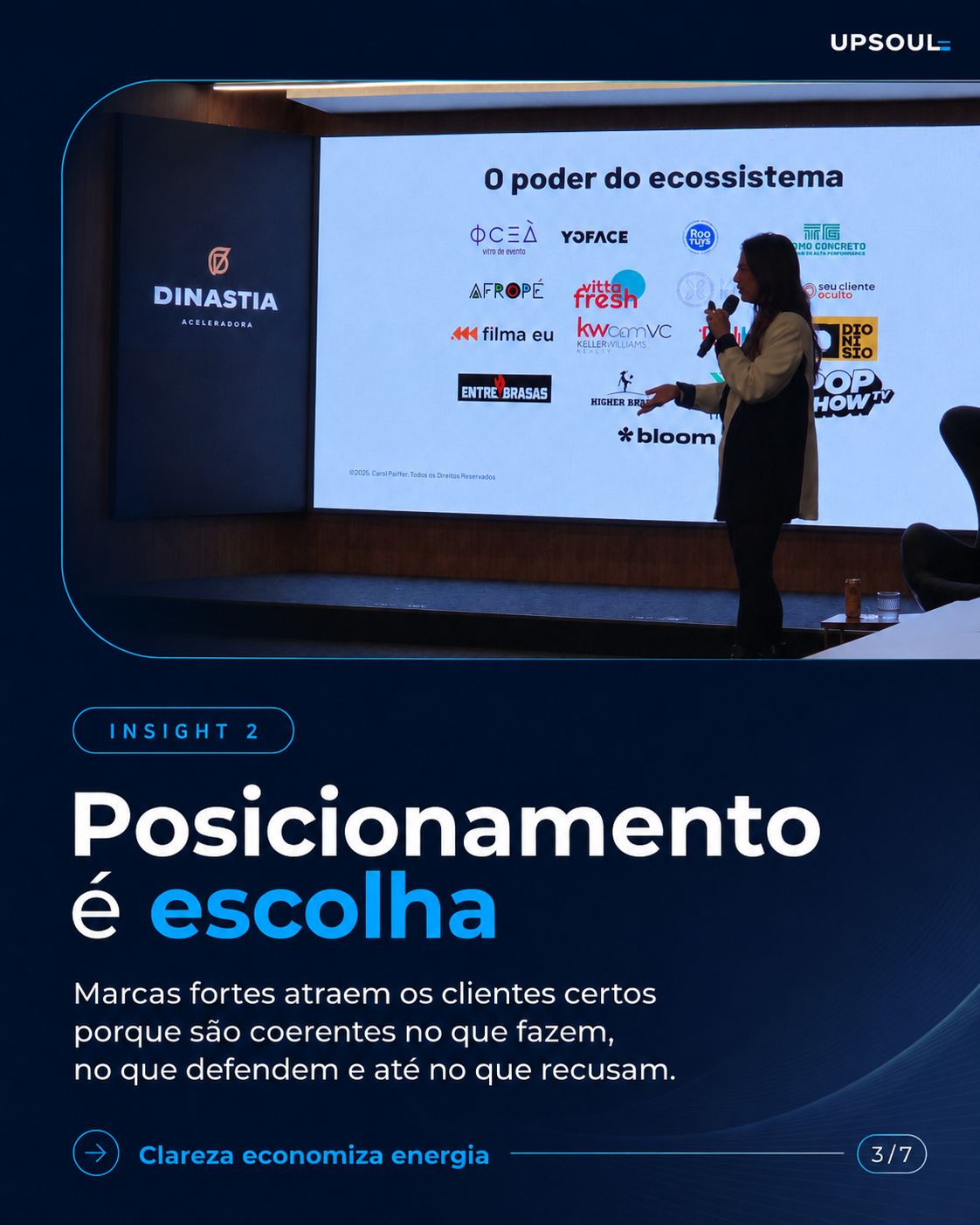
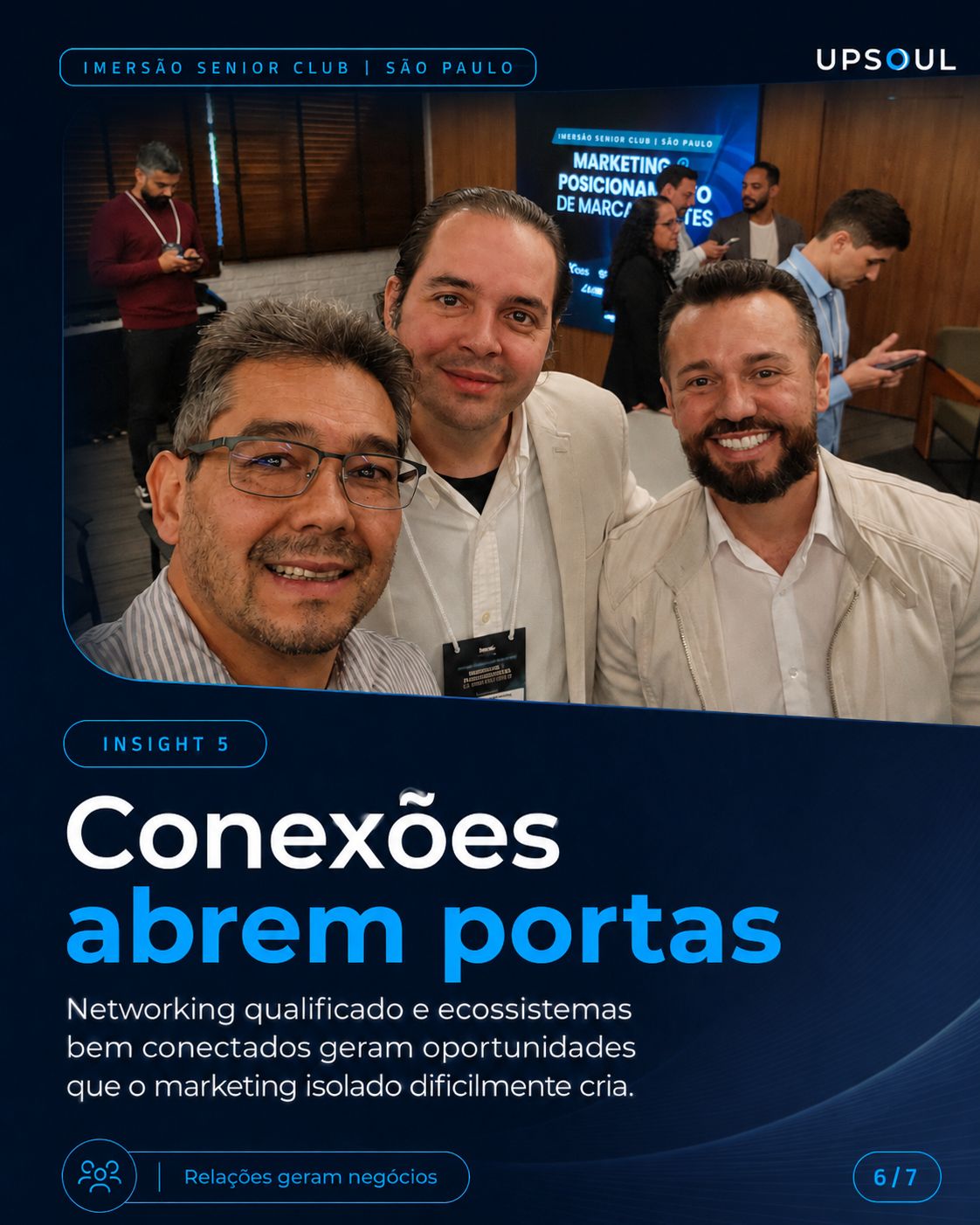
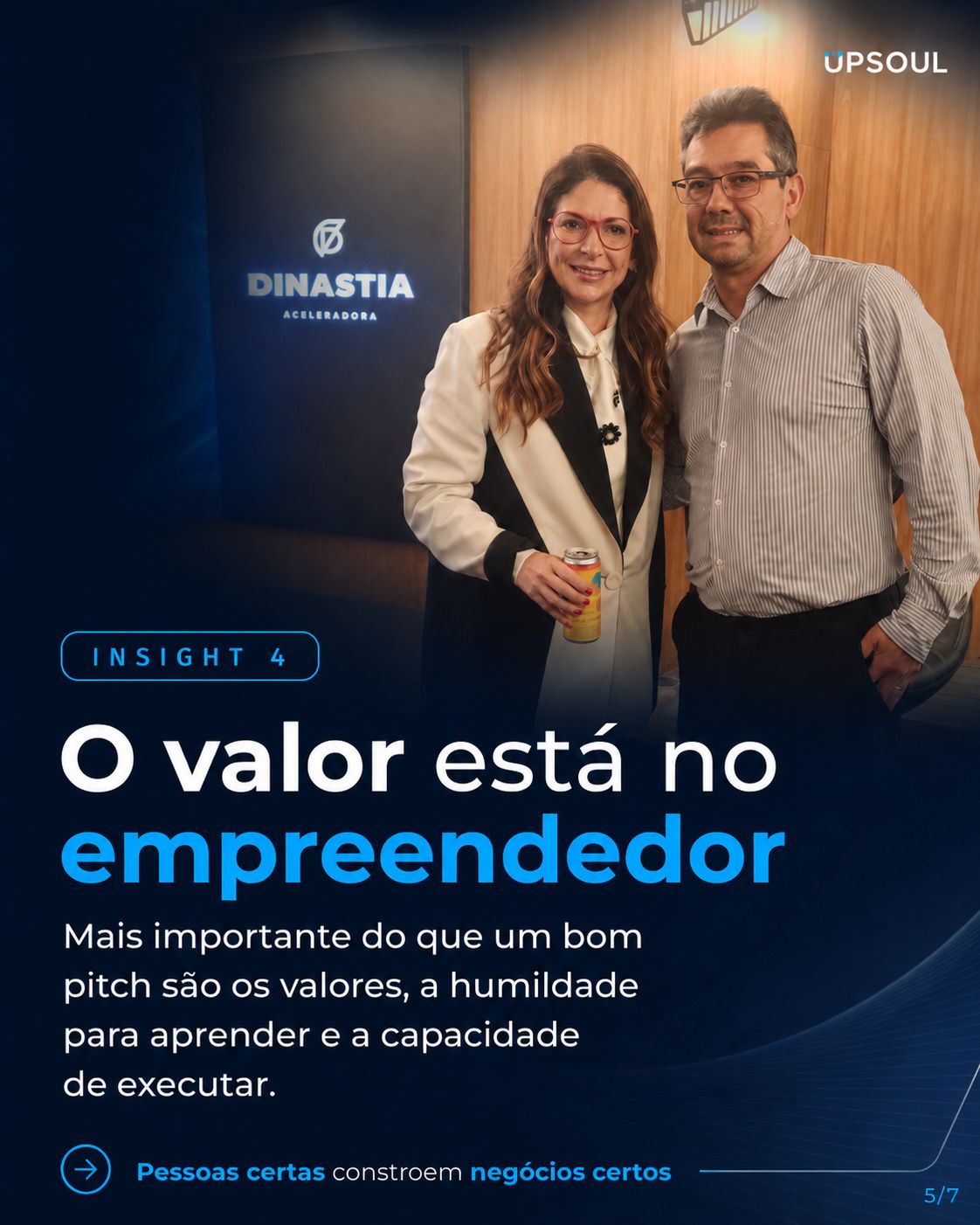
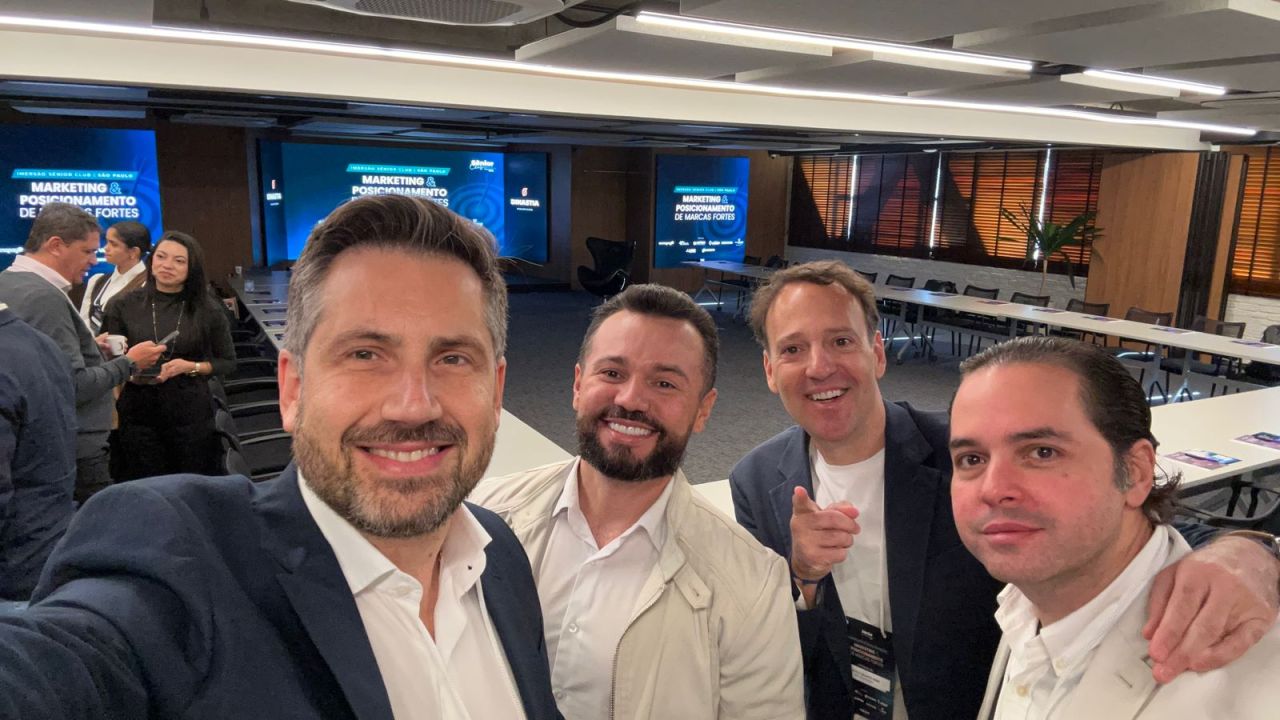
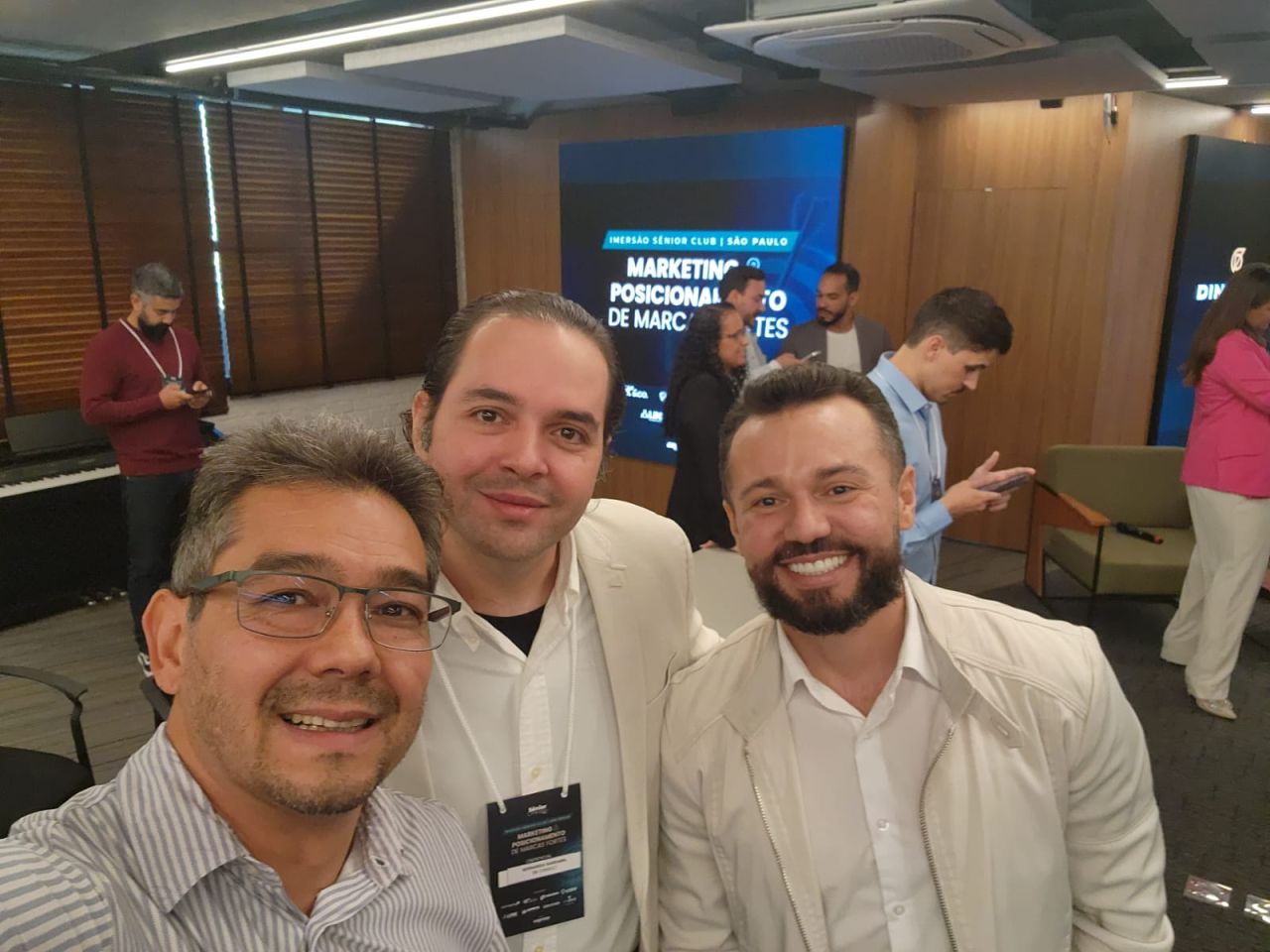
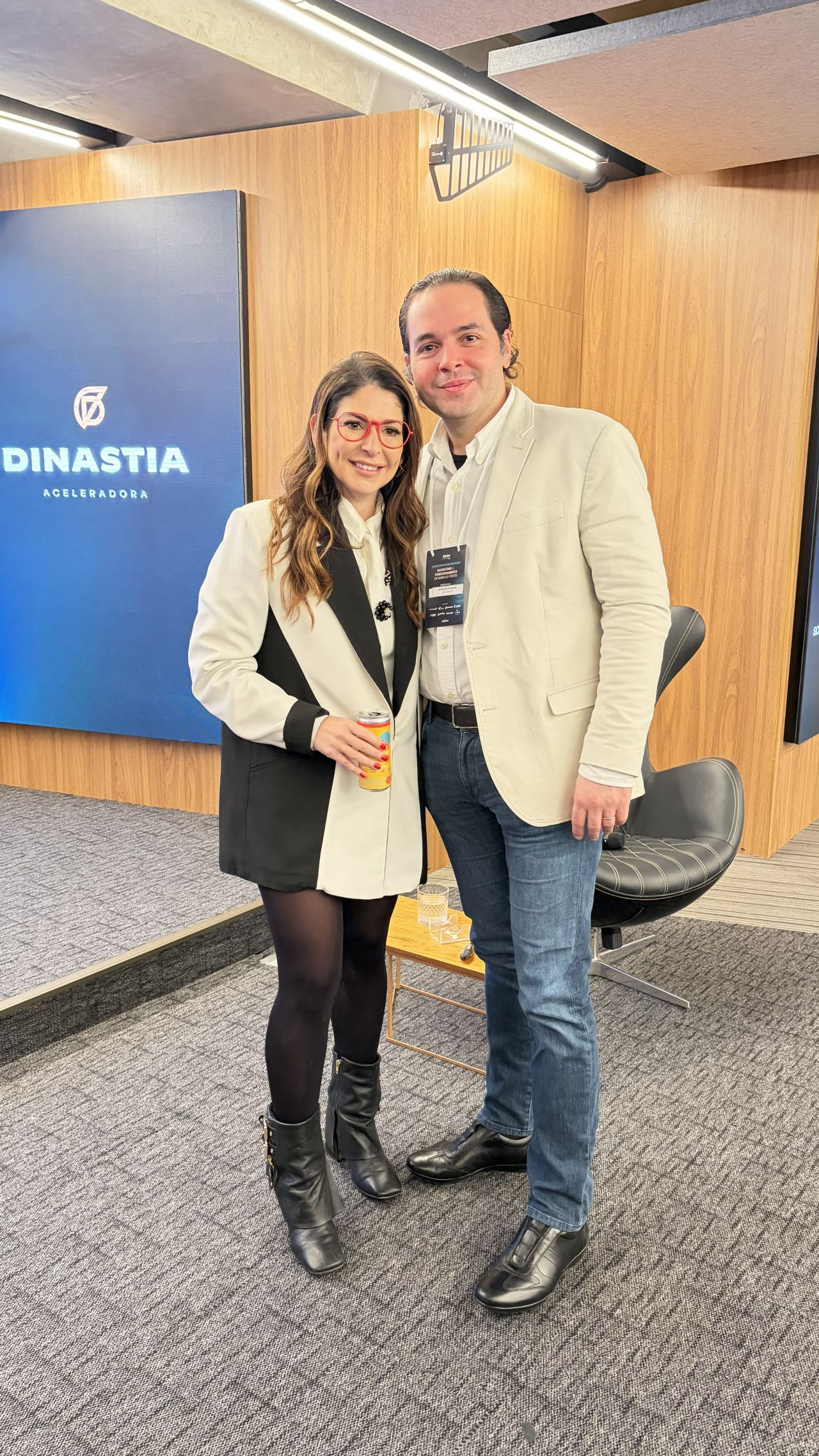
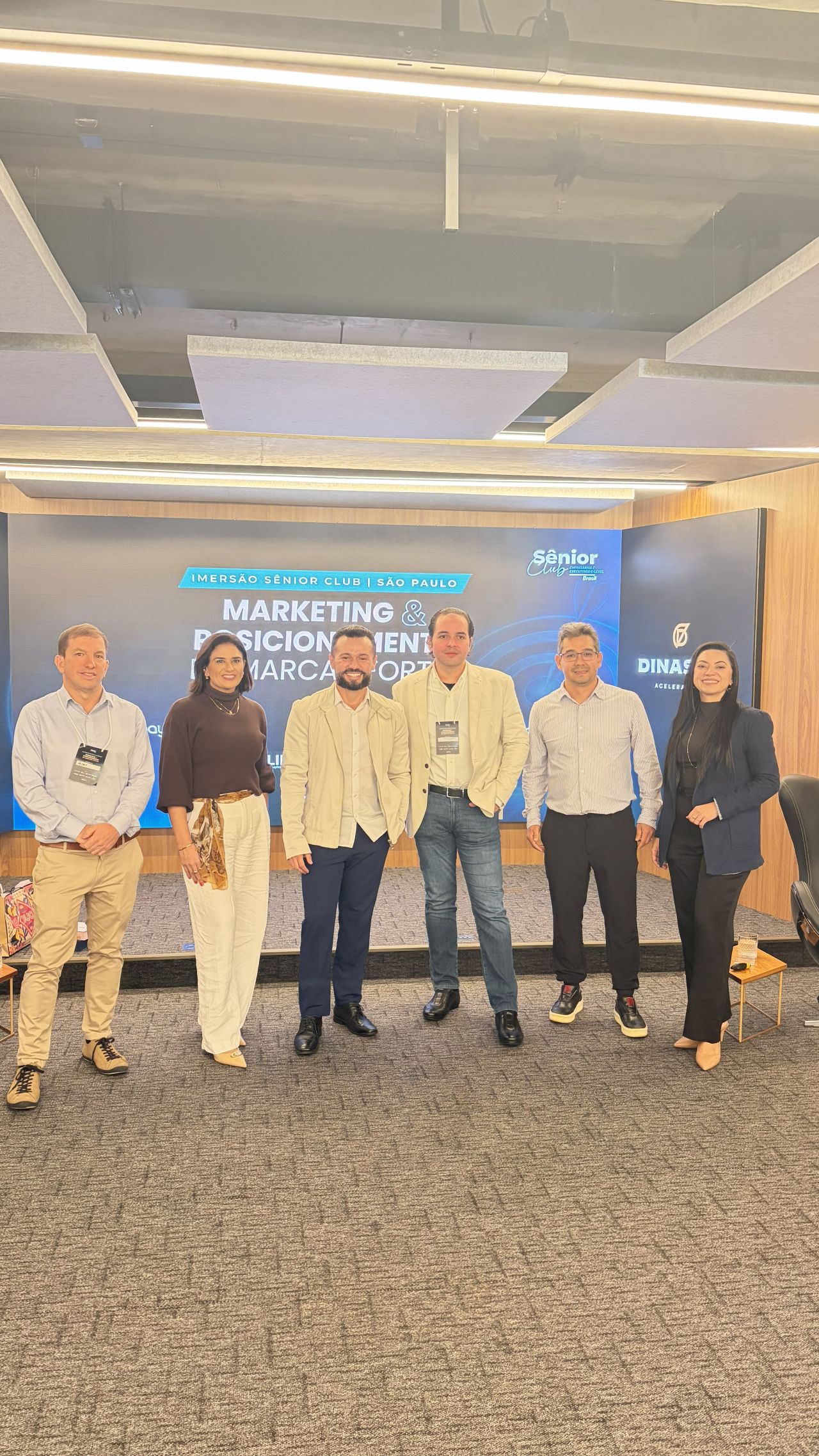
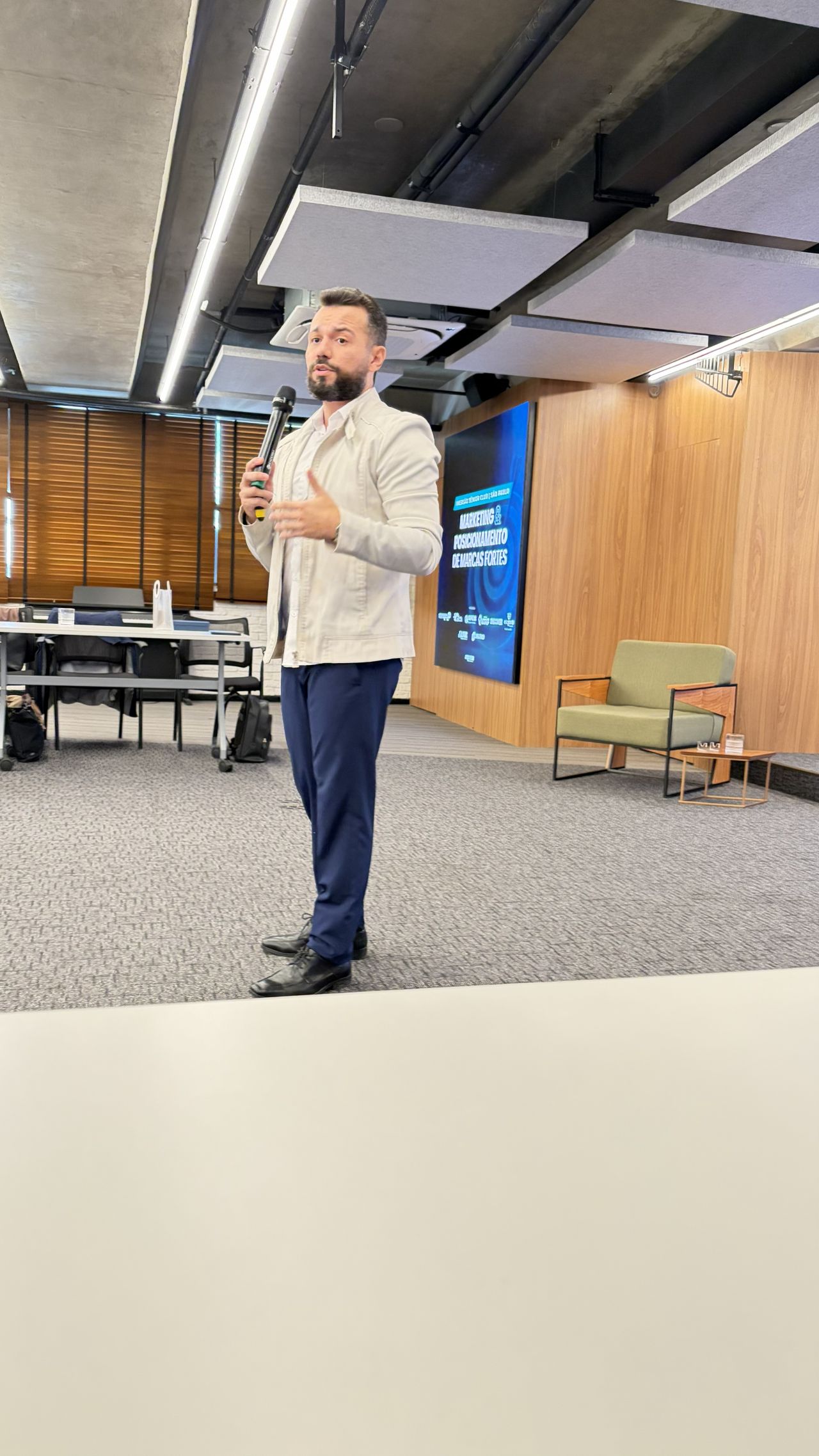
Today I was at the Sênior Club Brasil Immersion, at Dinastia Hub.

Carol Paiffer spent three hours dismantling the idea that positioning is digital presence.

The sentence that stayed:

"Quantity of networking does not matter. What matters is the quality of who remembers you, and for what reason."

She was direct: over 20 years she filled eight folders of business cards. She does not remember most of them. Not because she forgot, but because those connections were never real. They were volume without intention.

What builds real positioning is not the event you attend. It is the deliberate choice of what you turn down.

Carol chose events that could not contaminate her brand. Not because she had no offers, she had many. But because positioning is protected by what you reject, not by what you accept.

That weighs differently coming from someone who was a Shark for seven seasons, took a company public at 30 and built an ecosystem of 115 invested companies.

A company without clear positioning spends more on marketing, converts less and talks to the wrong customer.

It does not lose to the competitor. It loses to its own inertia.

In the afternoon, a visit to G4 Club. What you see of an operation at that scale from the inside does not fit in a case study. It fits in a decision.

Thank you to Carlos Mororó and Grupo Camarmo for building an environment where this level of conversation happens among people who have already decided to build, and are still building.

The right environment does not inspire. It demands.

Post page · Comment on LinkedIn

May 11, 2026

Brazil holds what the world needs

Brazil holds what the world needs. And gives it away for favors.

92% of the world's niobium. 88% renewable energy. The largest freshwater reserve on the planet. 188 million connected users. The world's largest exporter of soy, coffee and beef.

That is not potential. That is position.

And yet the decisions about these assets are not in the hands of those who produce, who build businesses, who absorb the cost of postponement.

It is not a lack of resources. It is not a lack of information. All these figures are public.

It is a lack of decision. And the cost has already started.
Post page · Comment on LinkedIn

May 10, 2026

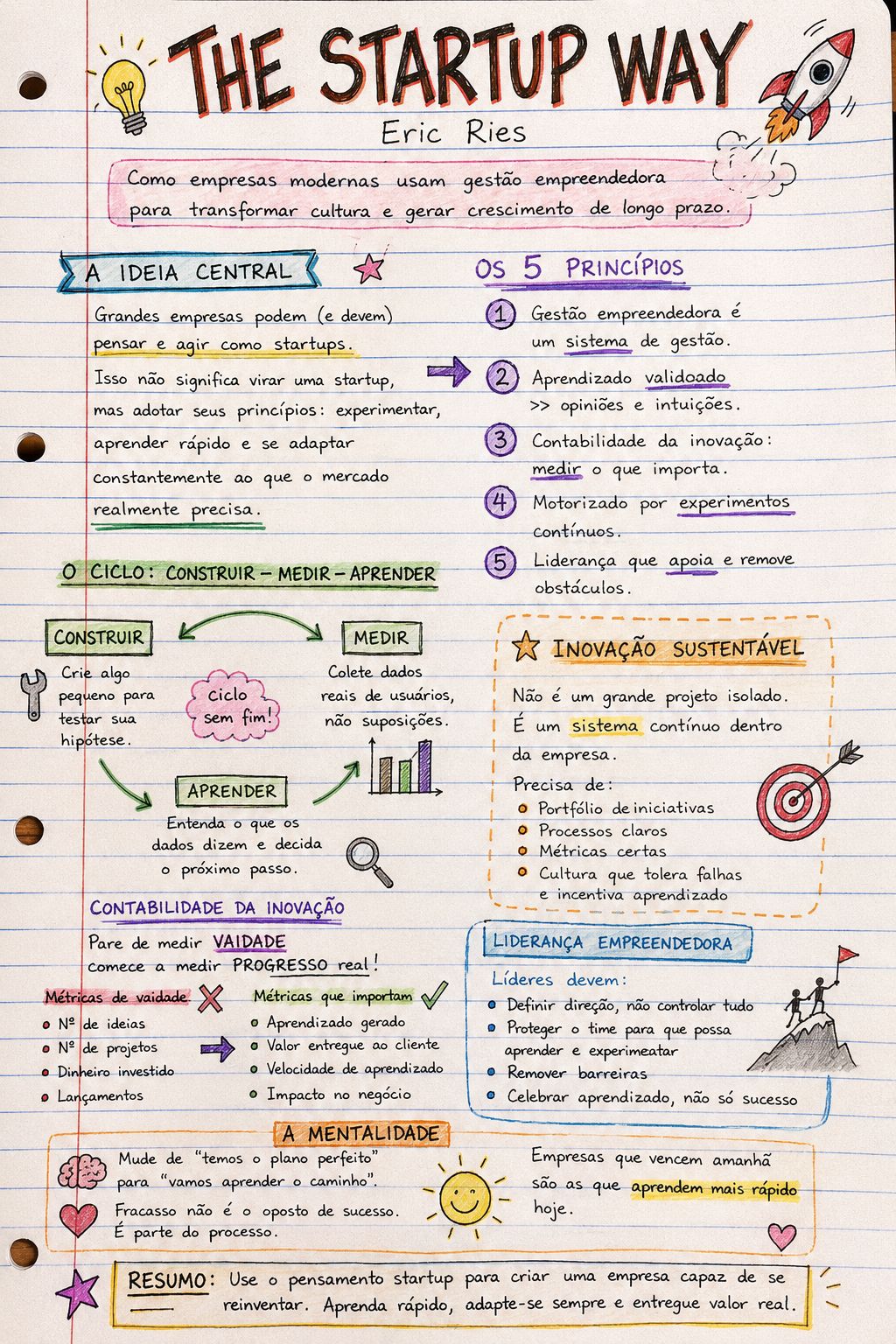
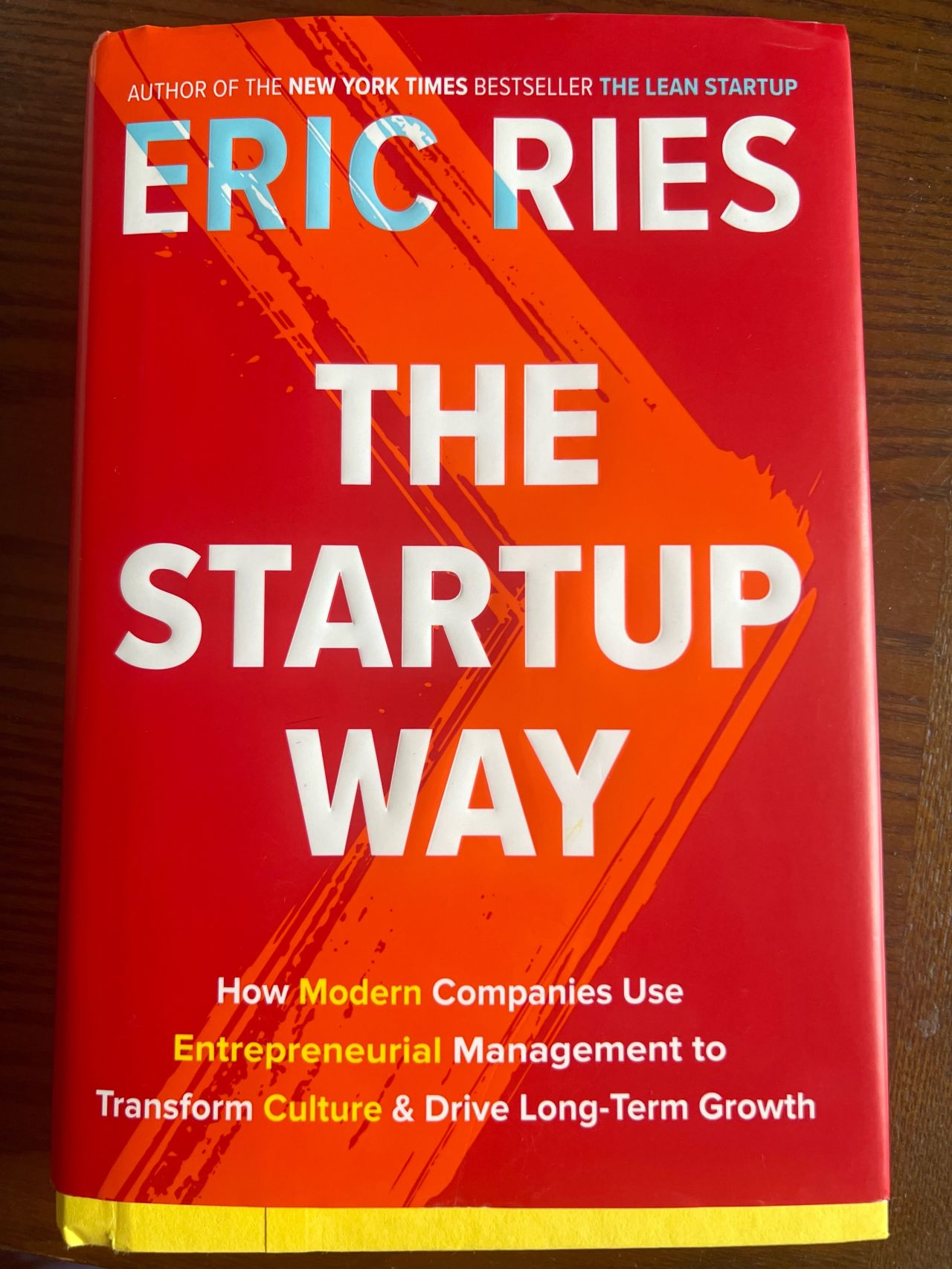
I am really looking forward to the book, to understand exactly which path this reflection will take

Comment on Gustavo Carriconde's post about Eric Ries's new book and innovation in large companies and startups.

image 1/2image 2/2
1 / 2

I am really looking forward to the book, to understand exactly which path this reflection will take. The article touches on a very real paradox: large corporations have the resources to transform markets, but are often stuck by too many decision layers. Startups, on the other hand, manage to innovate quickly, but suffer from a lack of scale and staying power.

Perhaps the most interesting point is exactly how these two worlds can complement each other without losing their essence.

And it is remarkable what we have been building in the ResumoCast ecosystem along this logic.

Post page · Comment on LinkedIn

May 8, 2026

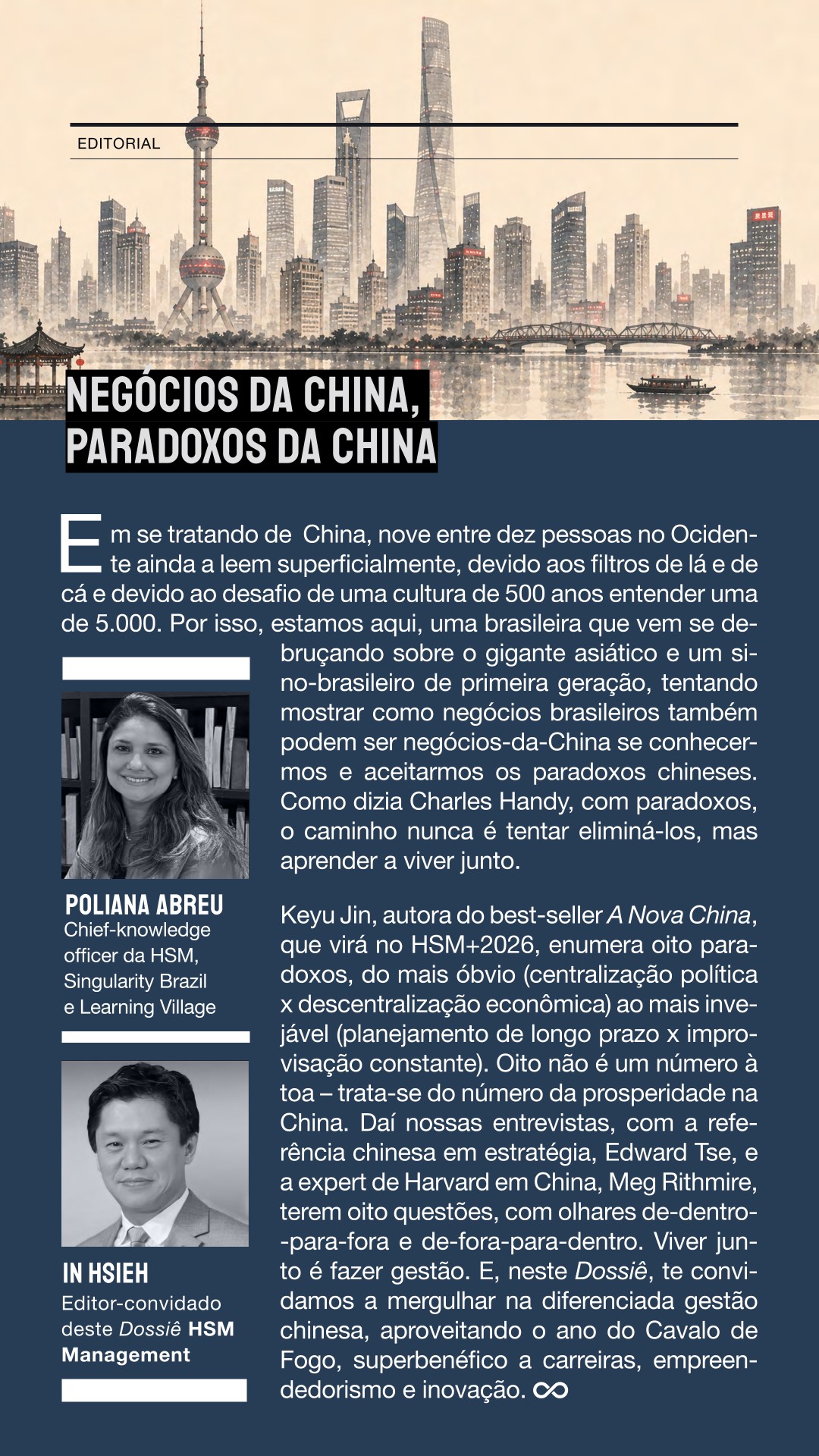
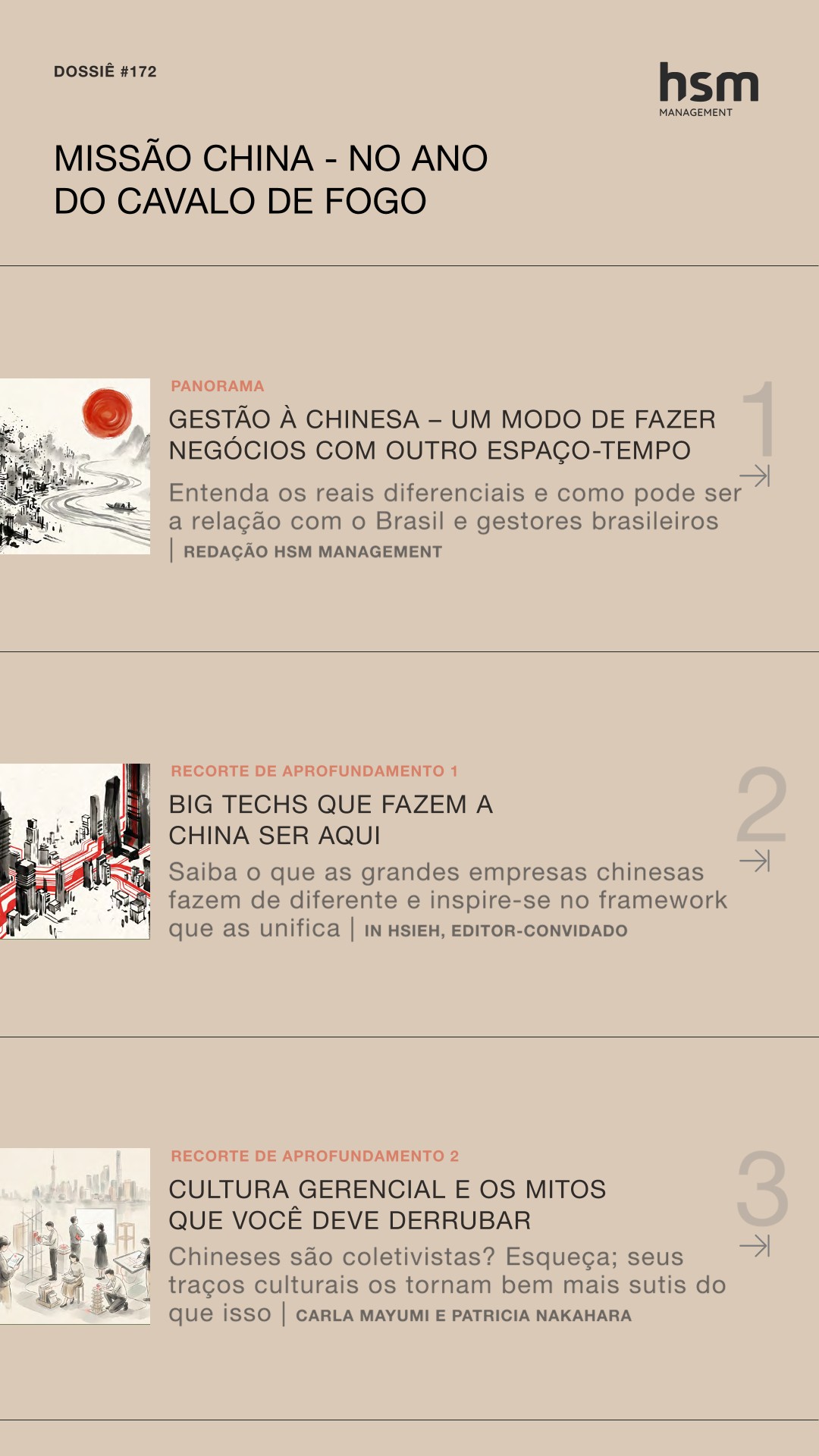
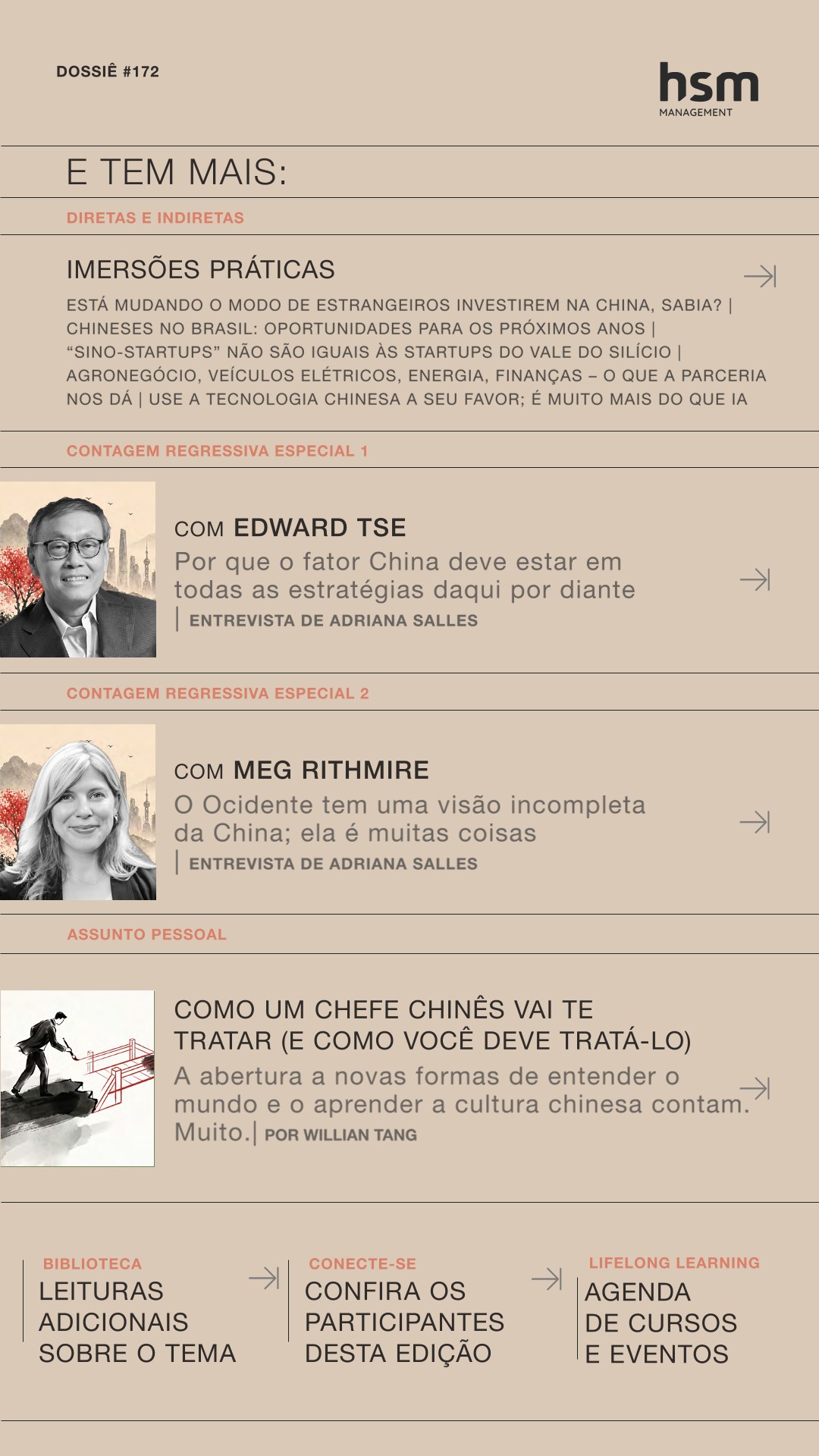
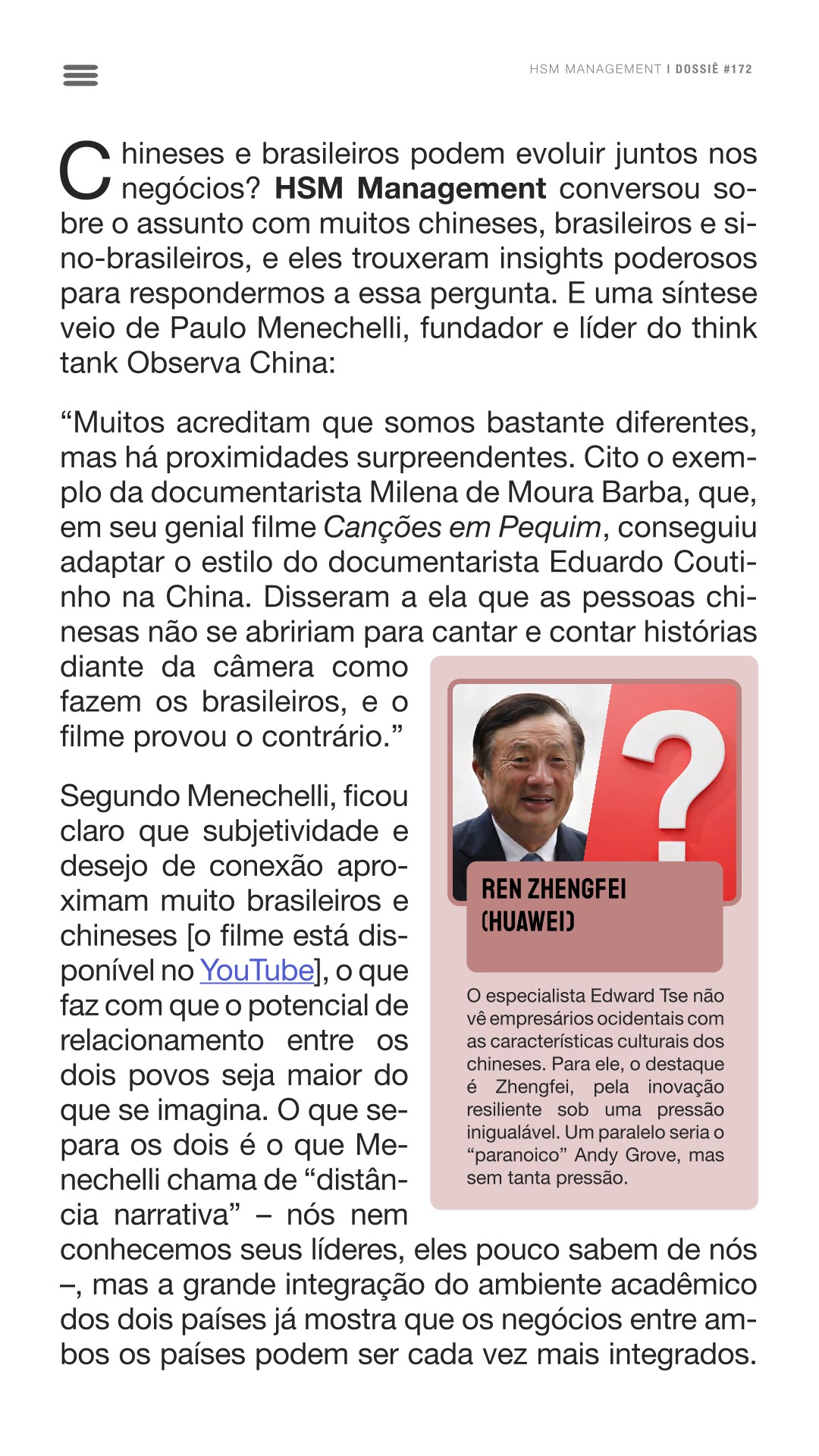
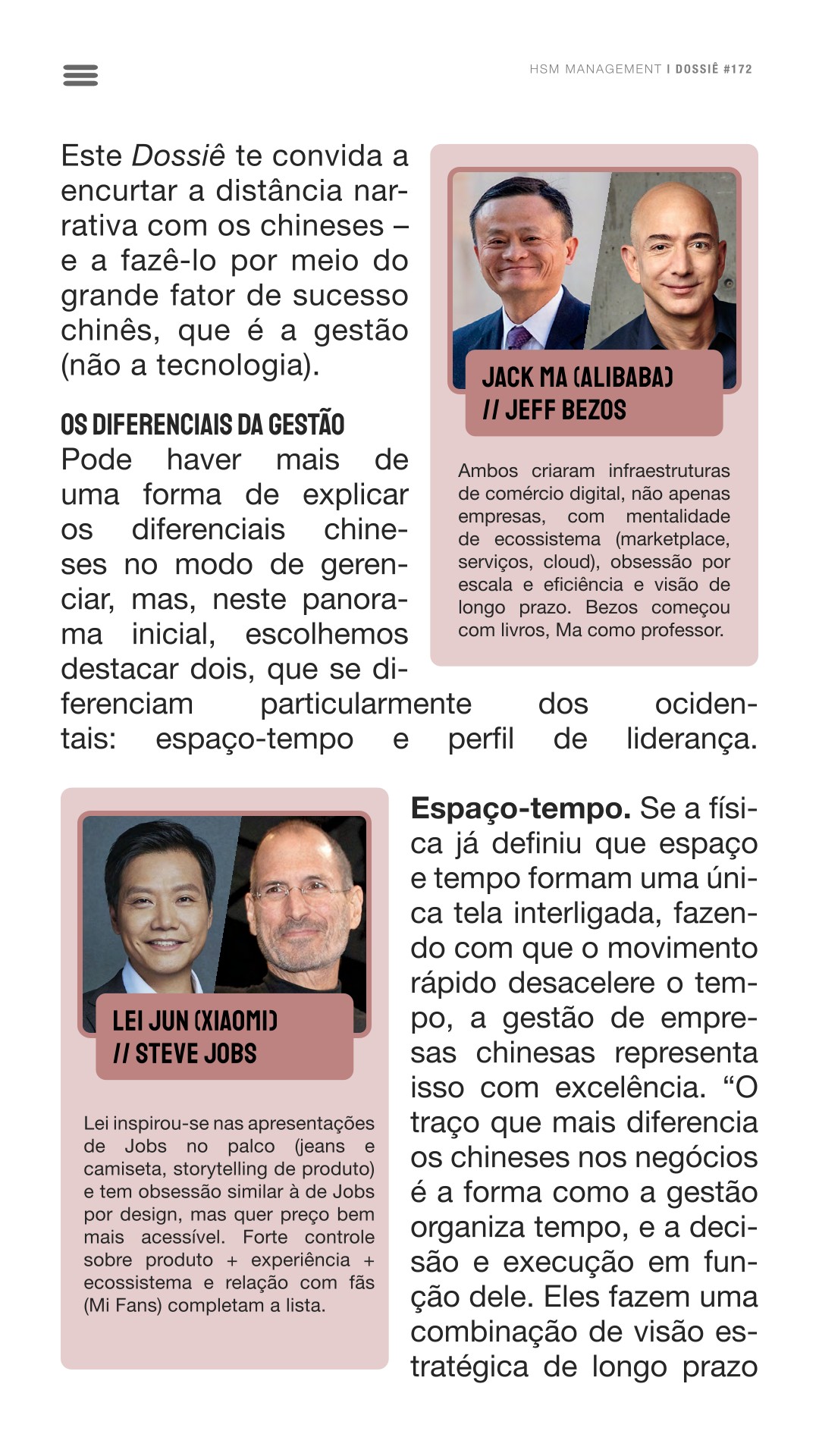
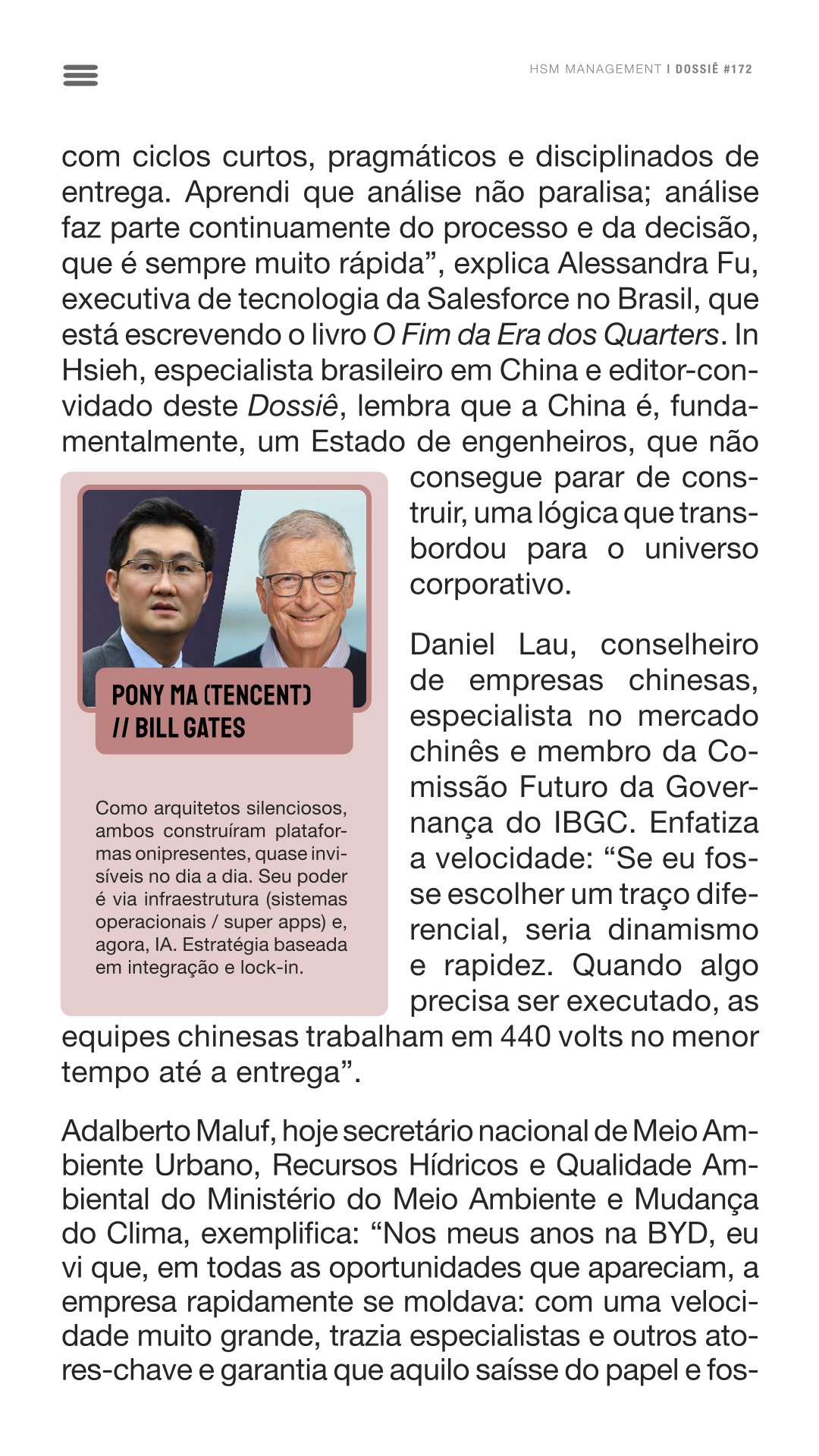
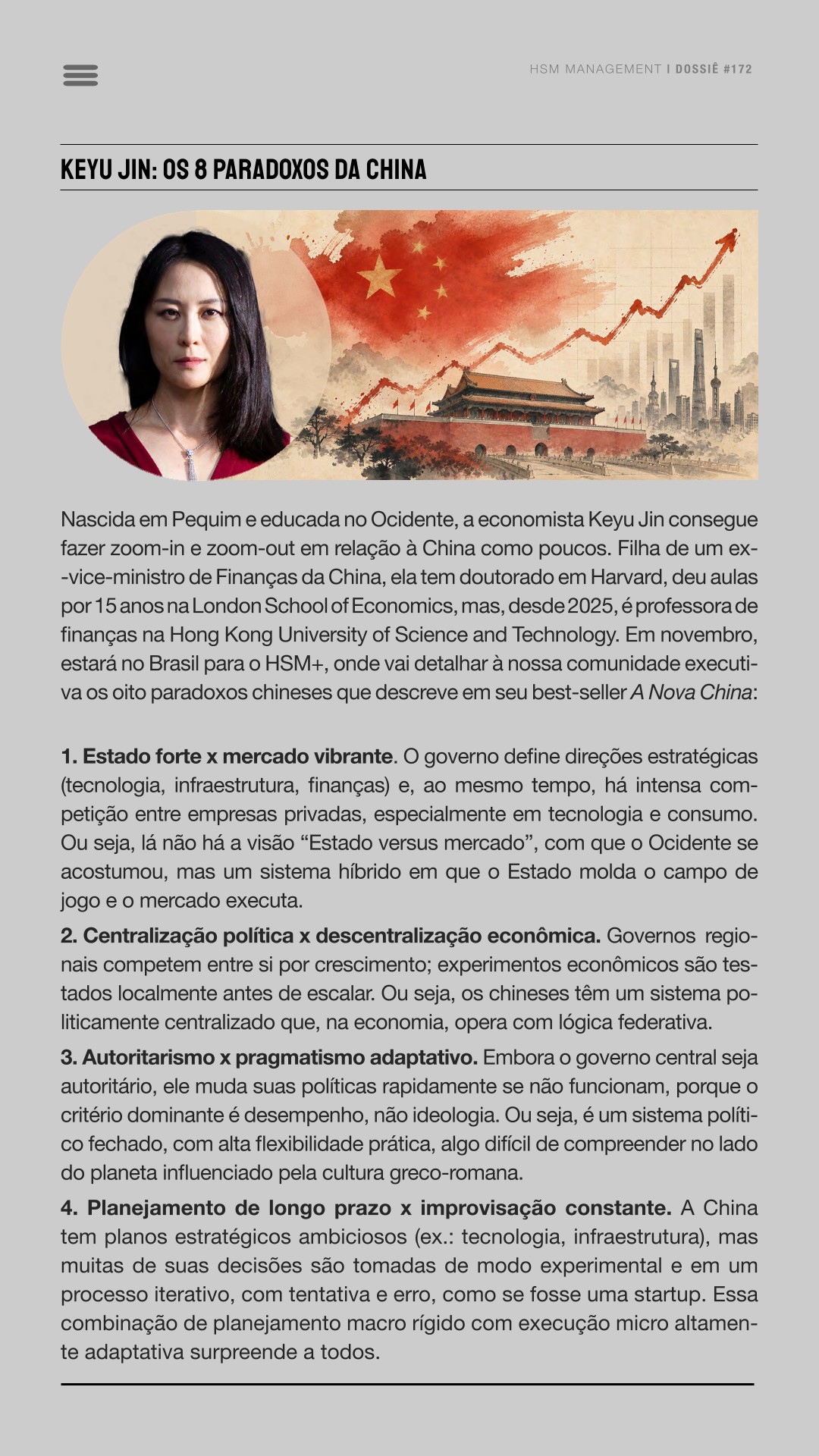
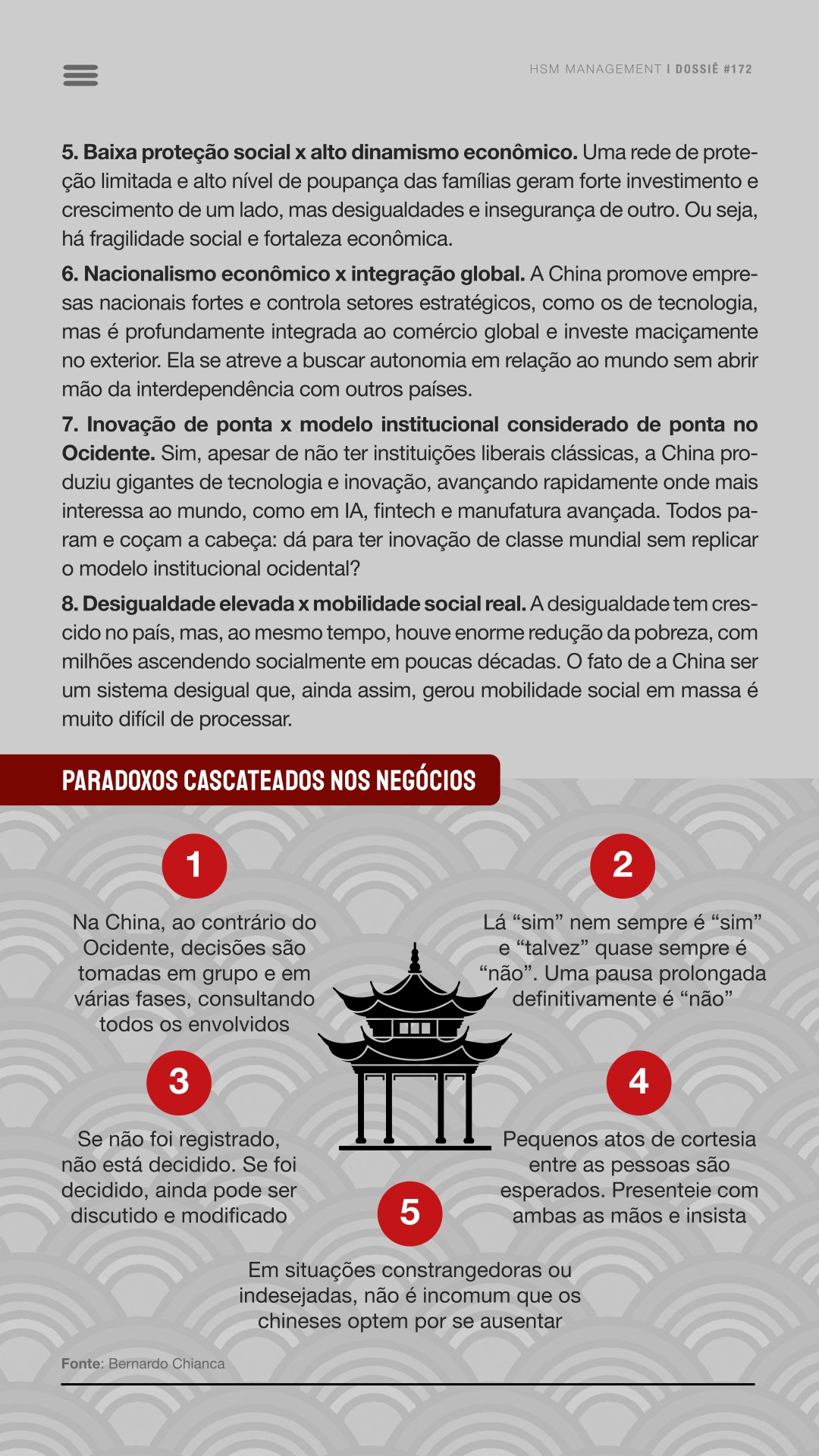
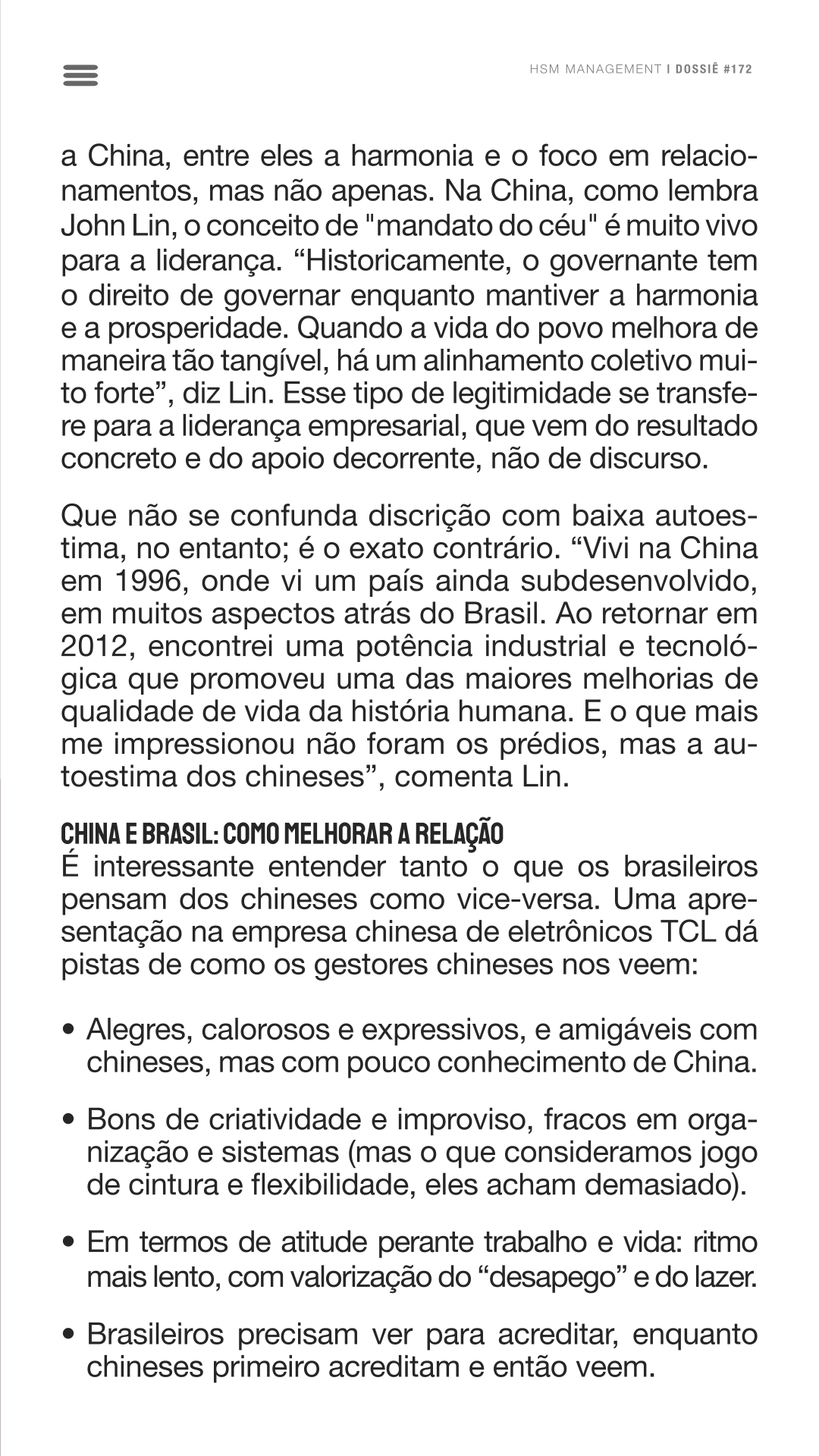
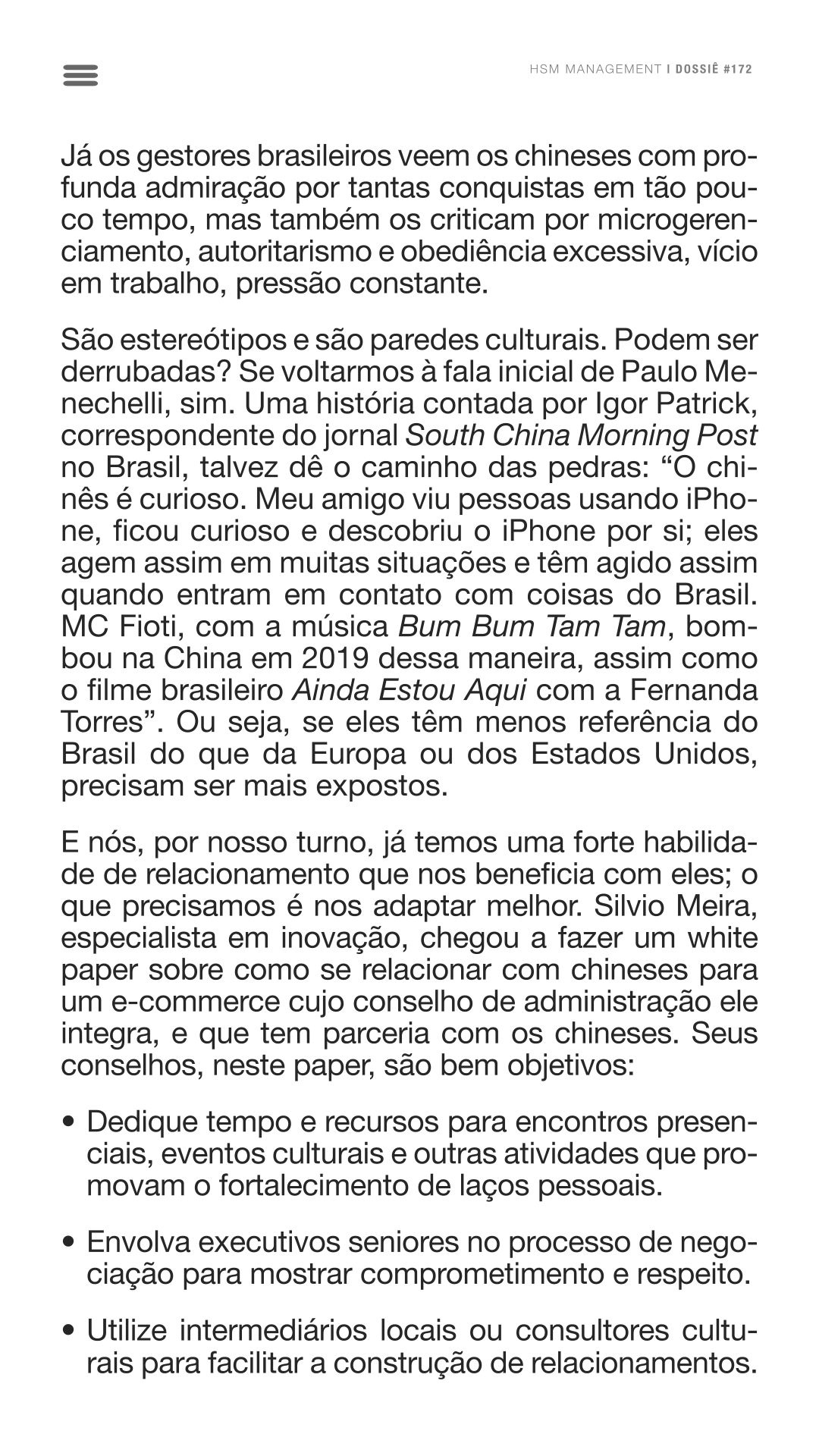
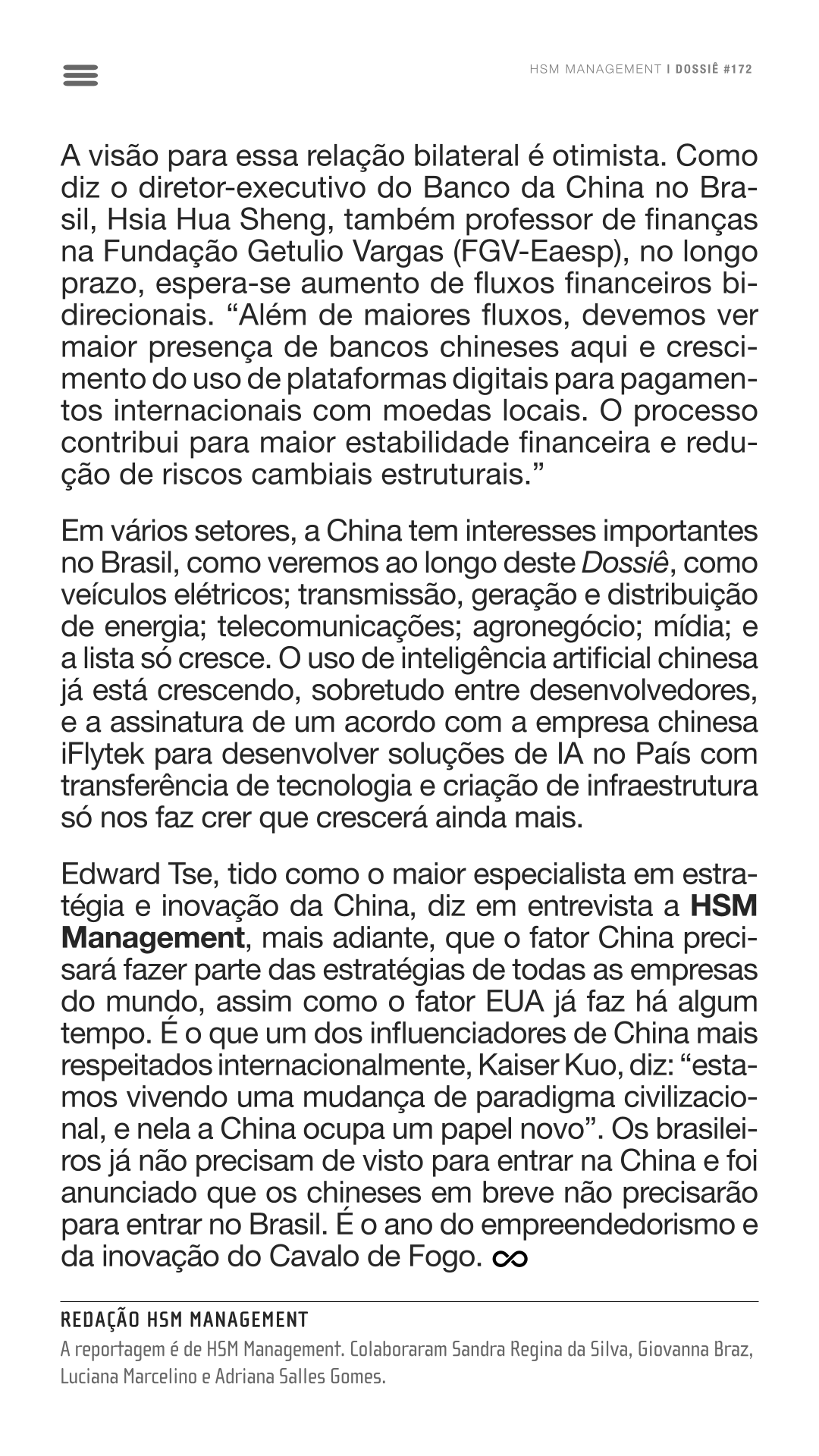
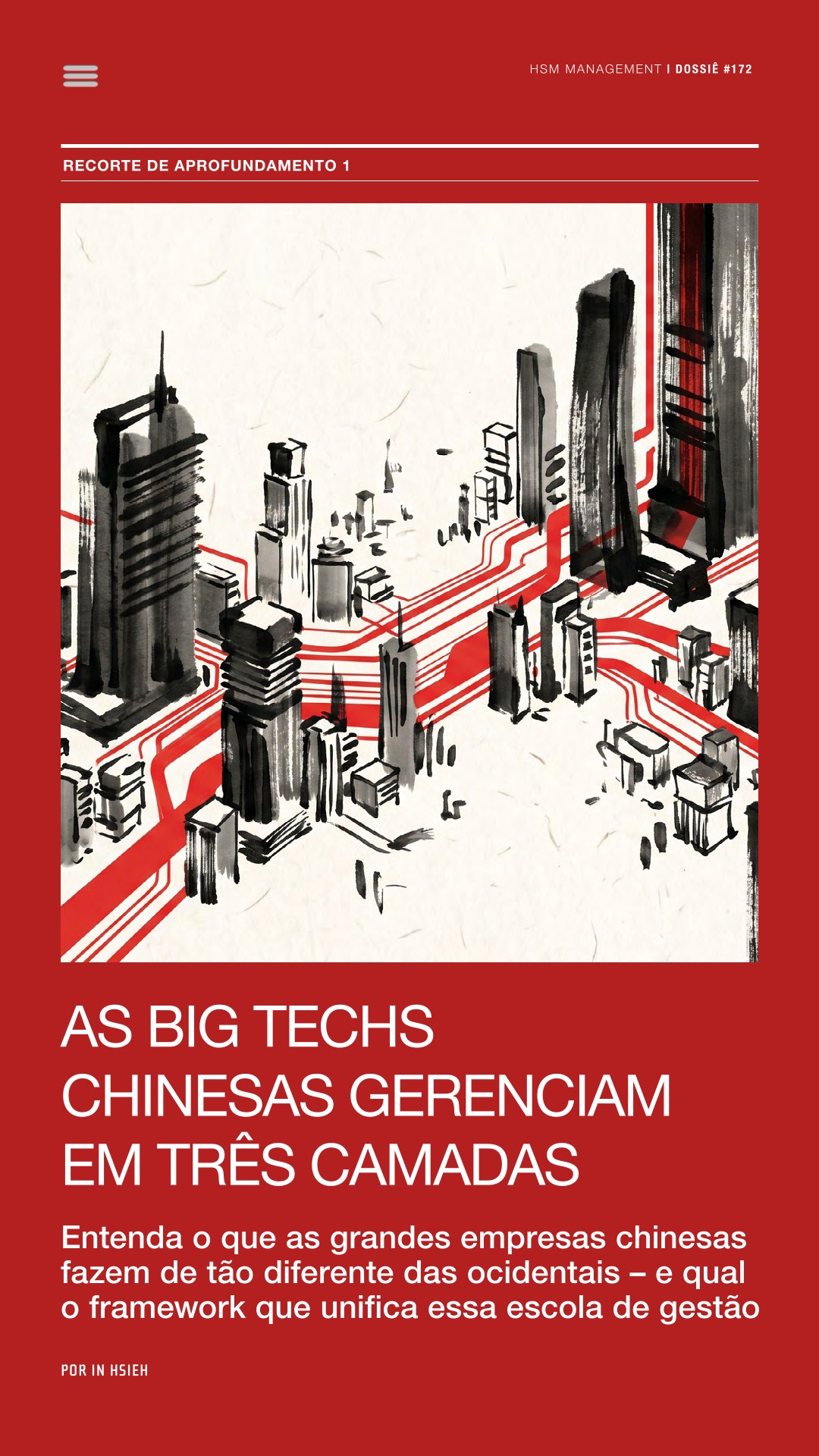
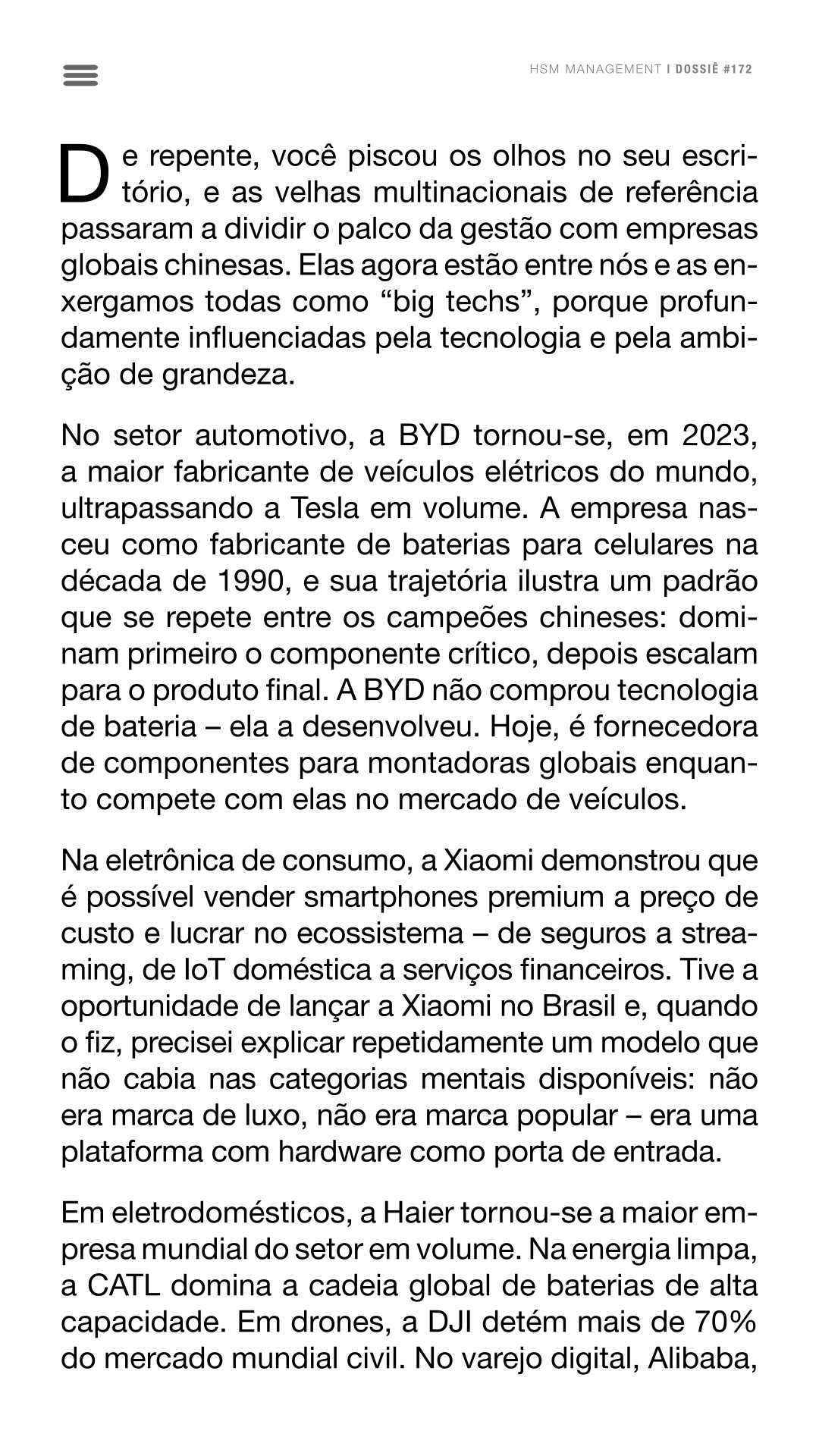
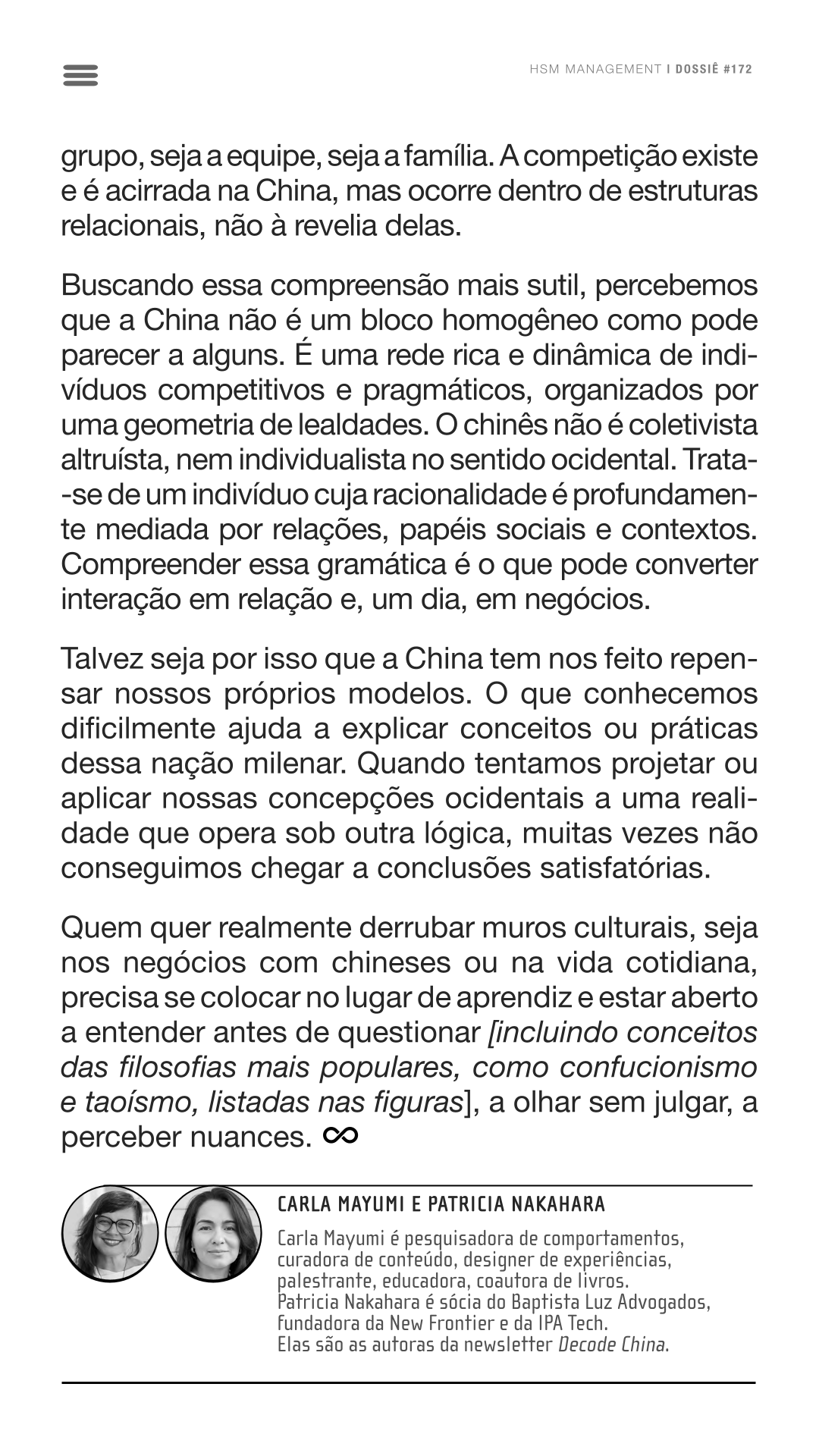
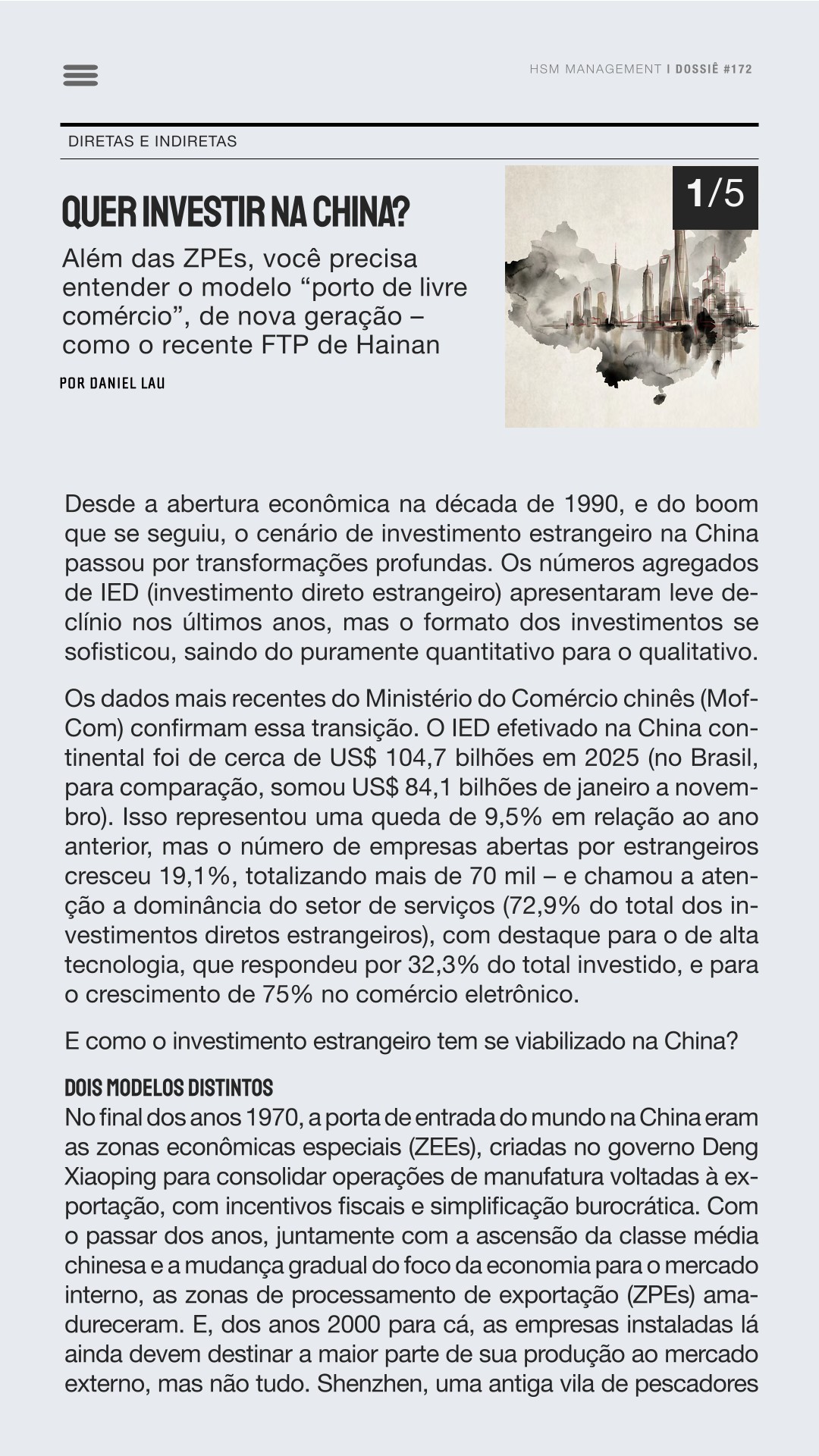
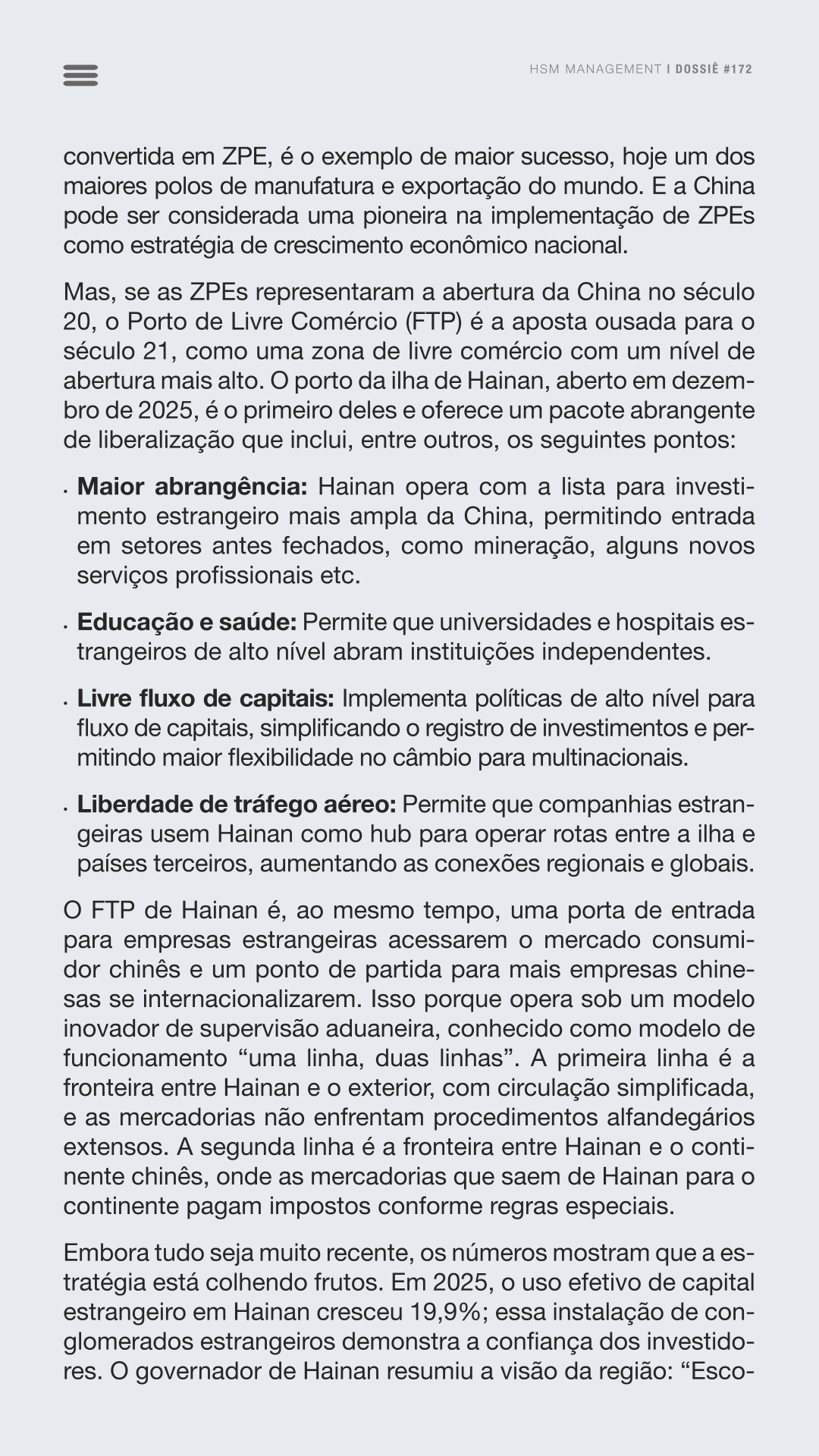
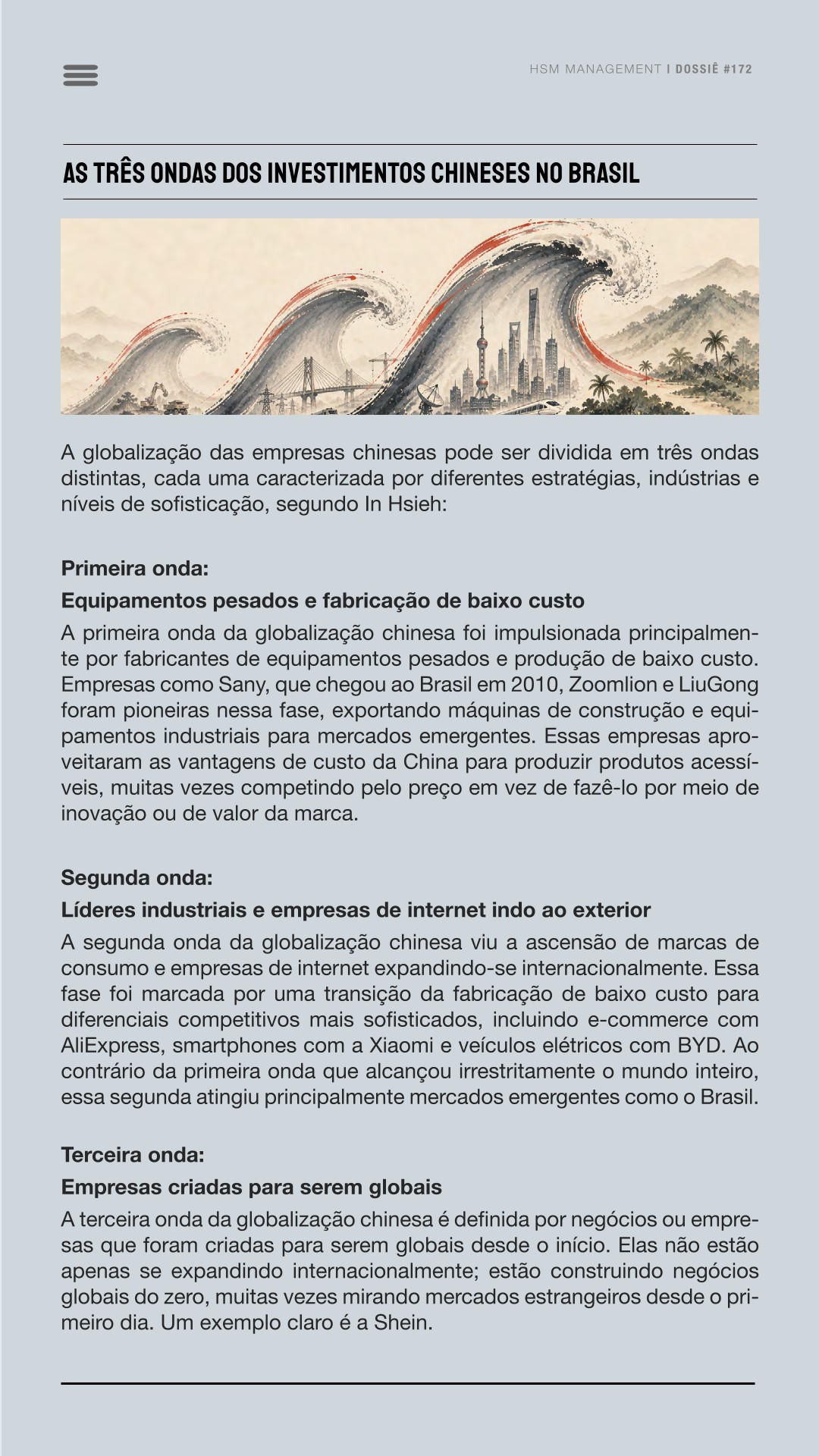
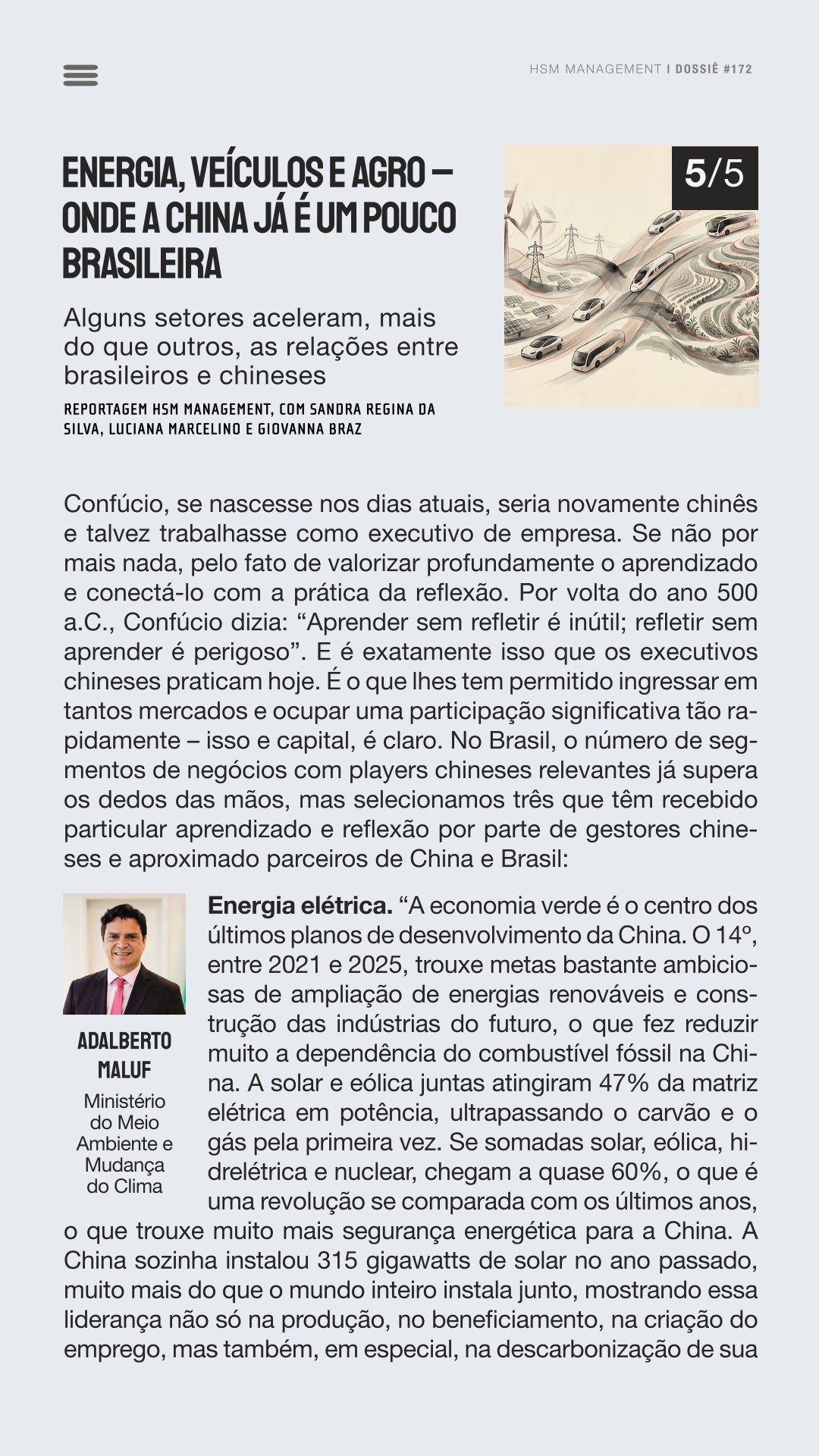
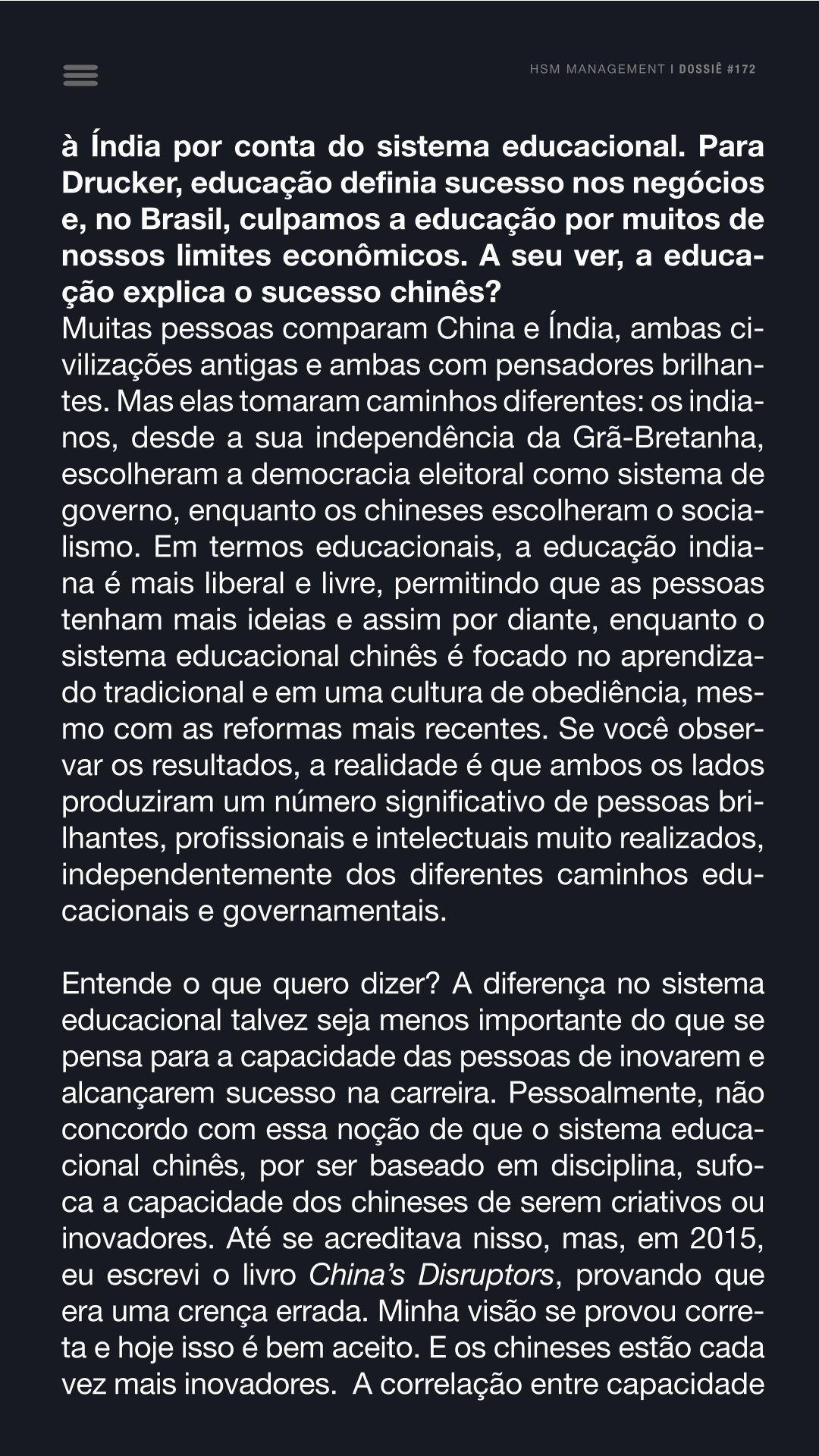
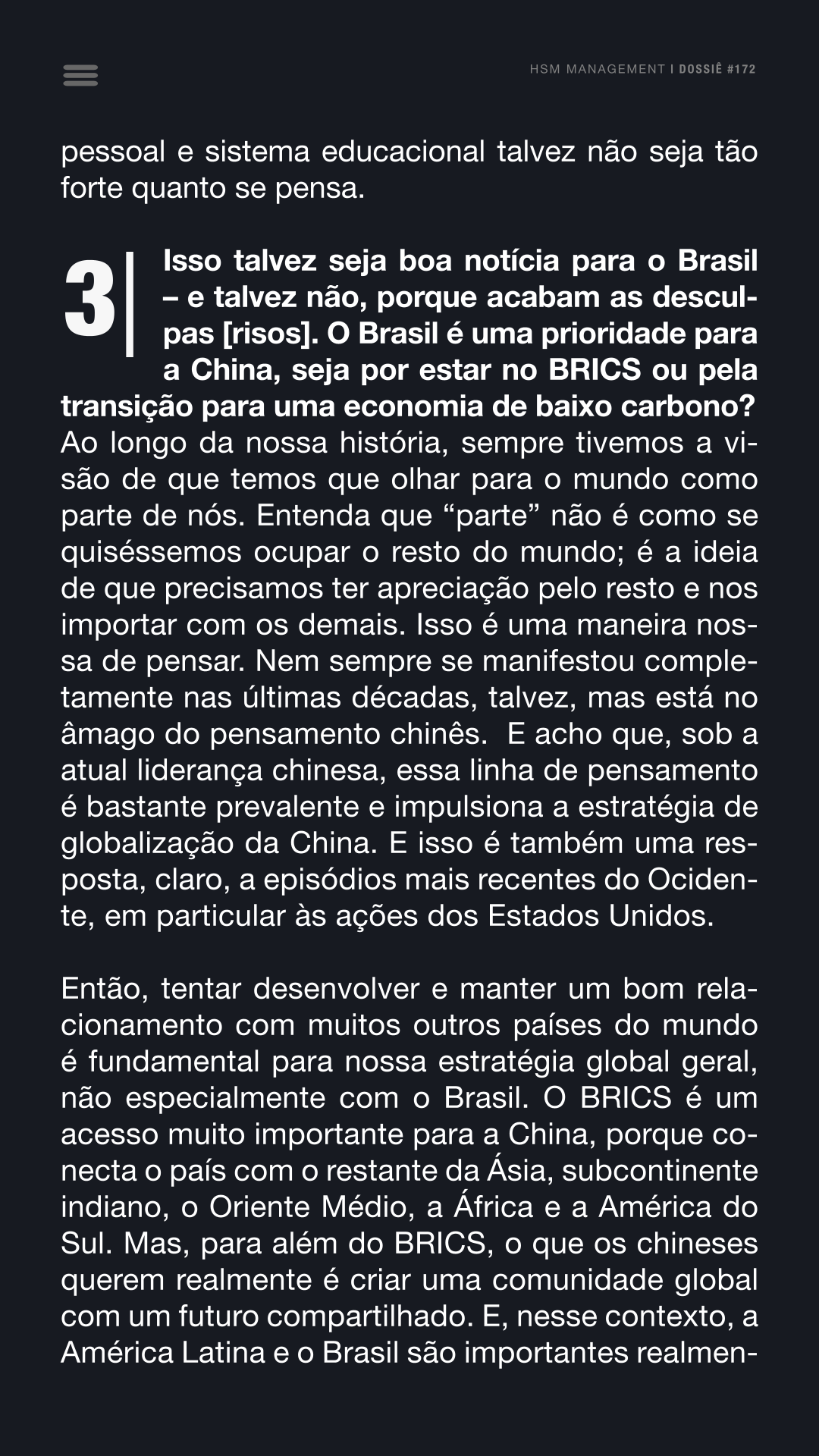
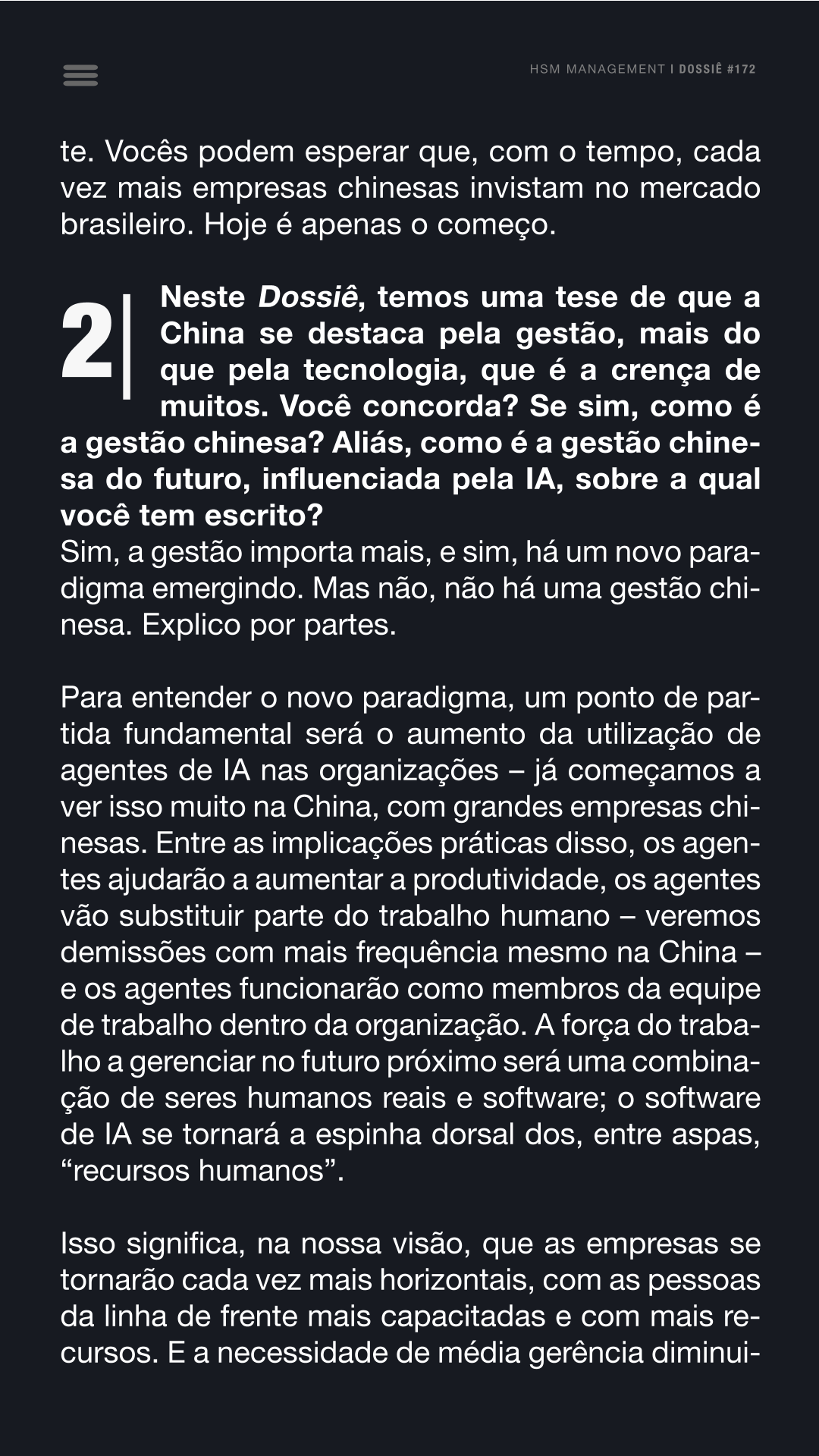
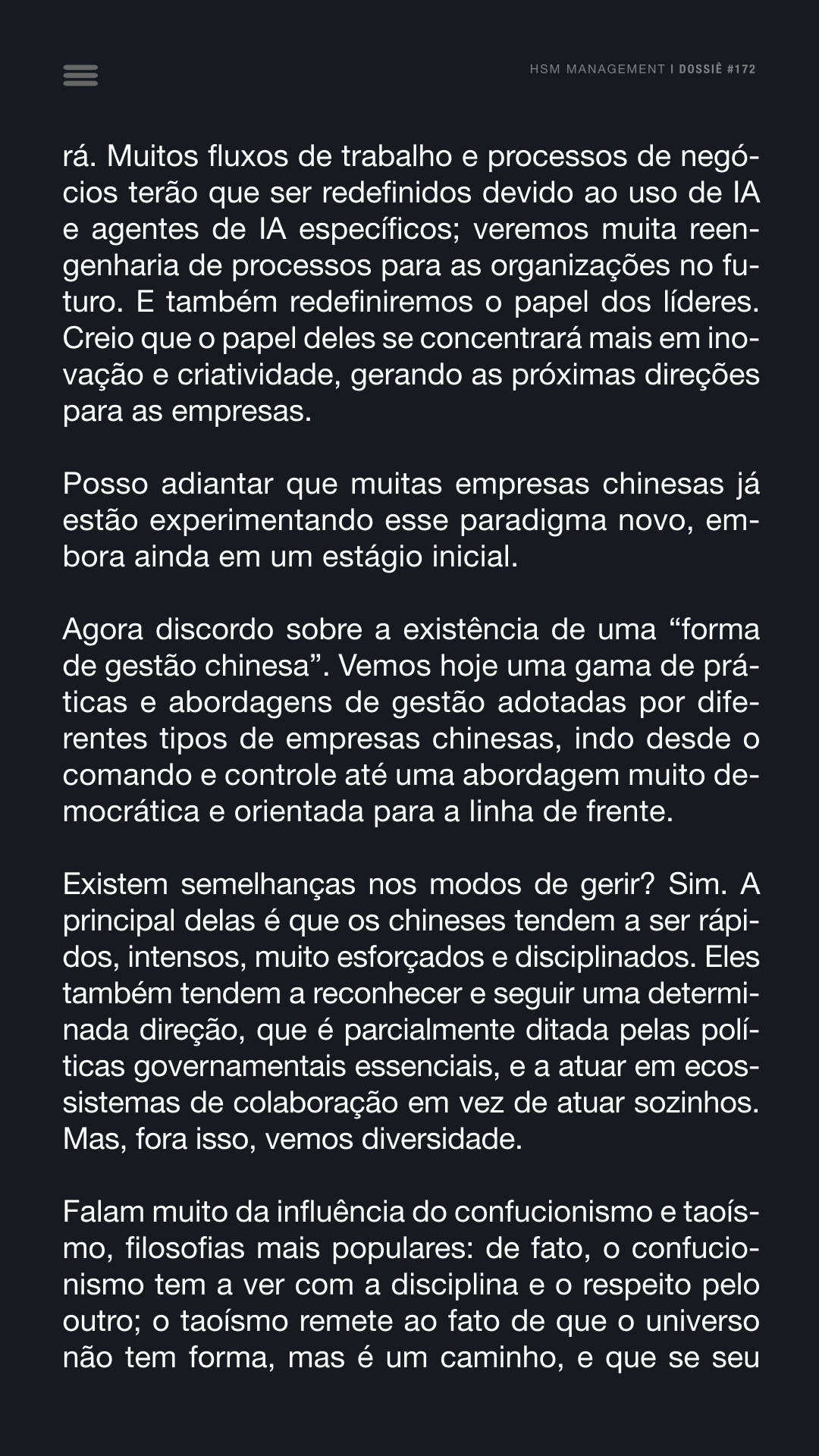
China is not just a market. It is a management model

image 1/98image 2/98image 3/98image 4/98image 5/98image 6/98image 7/98image 8/98image 9/98image 10/98image 11/98image 12/98image 13/98image 14/98image 15/98image 16/98image 17/98image 18/98image 19/98image 20/98image 21/98image 22/98image 23/98image 24/98image 25/98image 26/98image 27/98image 28/98image 29/98image 30/98image 31/98image 32/98image 33/98image 34/98image 35/98image 36/98image 37/98image 38/98image 39/98image 40/98image 41/98image 42/98image 43/98image 44/98image 45/98image 46/98image 47/98image 48/98image 49/98image 50/98image 51/98image 52/98image 53/98image 54/98image 55/98image 56/98image 57/98image 58/98image 59/98image 60/98image 61/98image 62/98image 63/98image 64/98image 65/98image 66/98image 67/98image 68/98image 69/98image 70/98image 71/98image 72/98image 73/98image 74/98image 75/98image 76/98image 77/98image 78/98image 79/98image 80/98image 81/98image 82/98image 83/98image 84/98image 85/98image 86/98image 87/98image 88/98image 89/98image 90/98image 91/98image 92/98image 93/98image 94/98image 95/98image 96/98image 97/98image 98/98
1 / 98

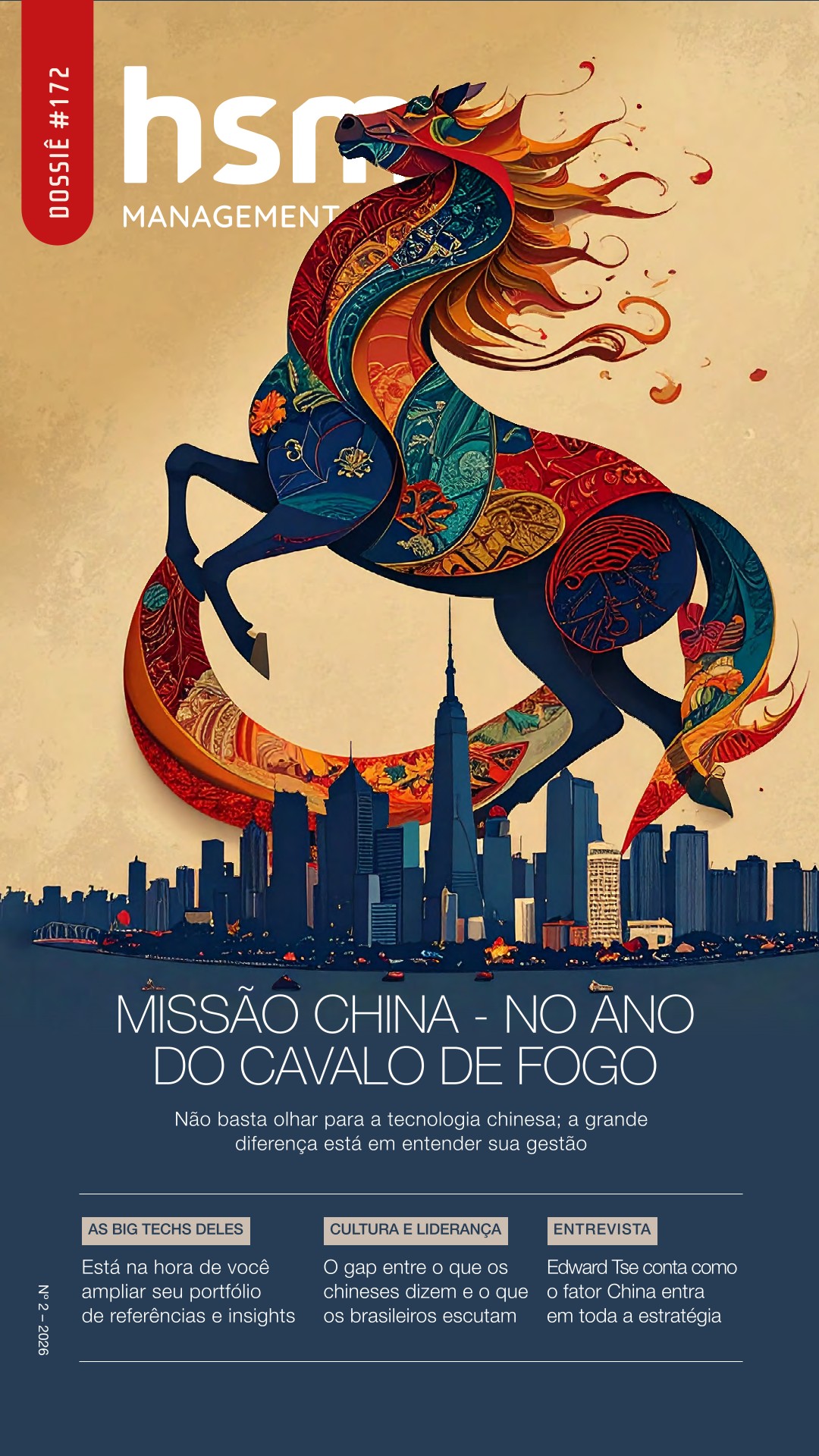
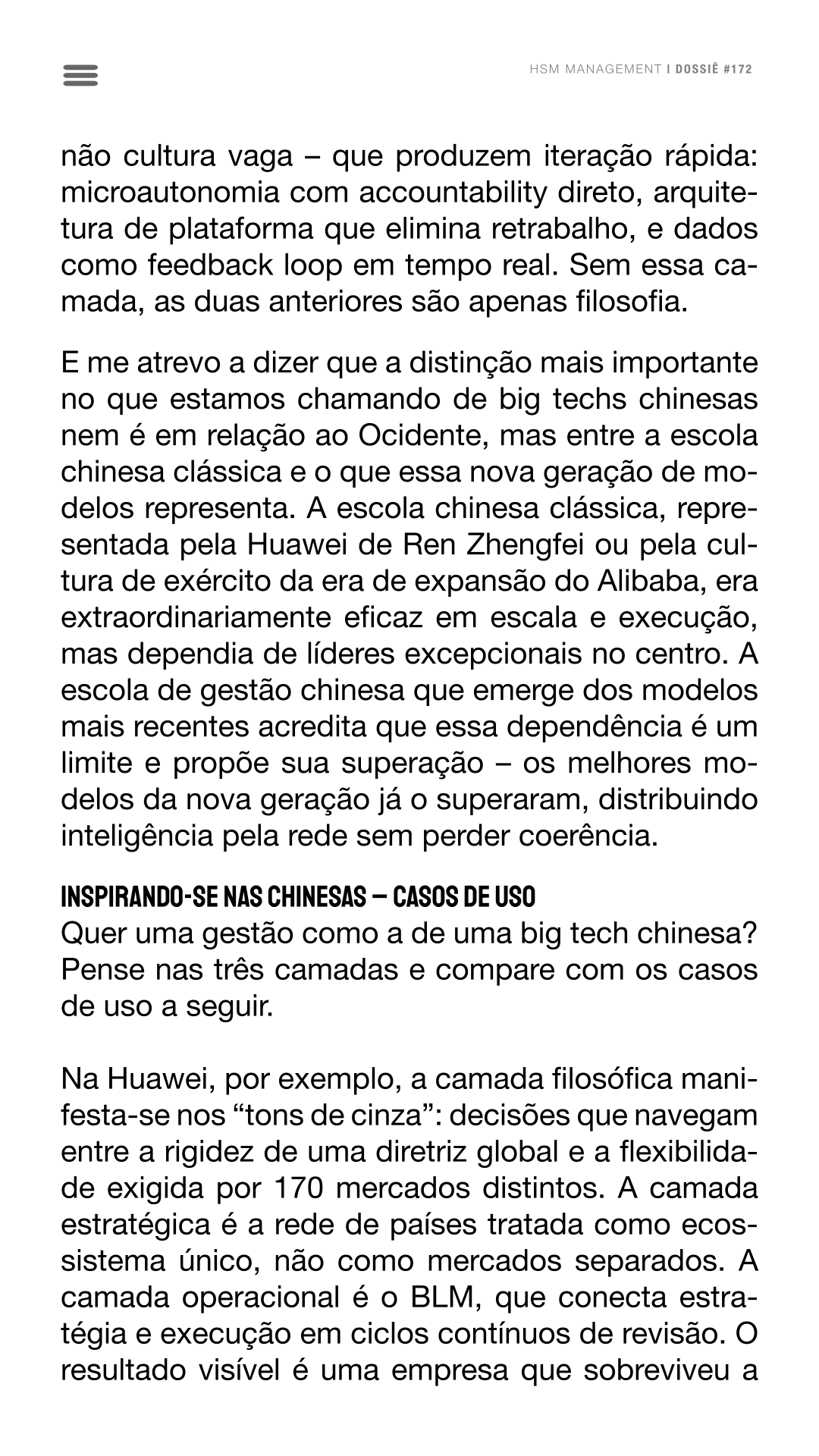
China is not just a market. It is a management model.
And most Brazilian CEOs have not yet stopped to read it properly.

The wrong question: "how did they grow so fast?"

The right question: which structural decisions produced that speed, and what do they reveal about how you are organizing your company?

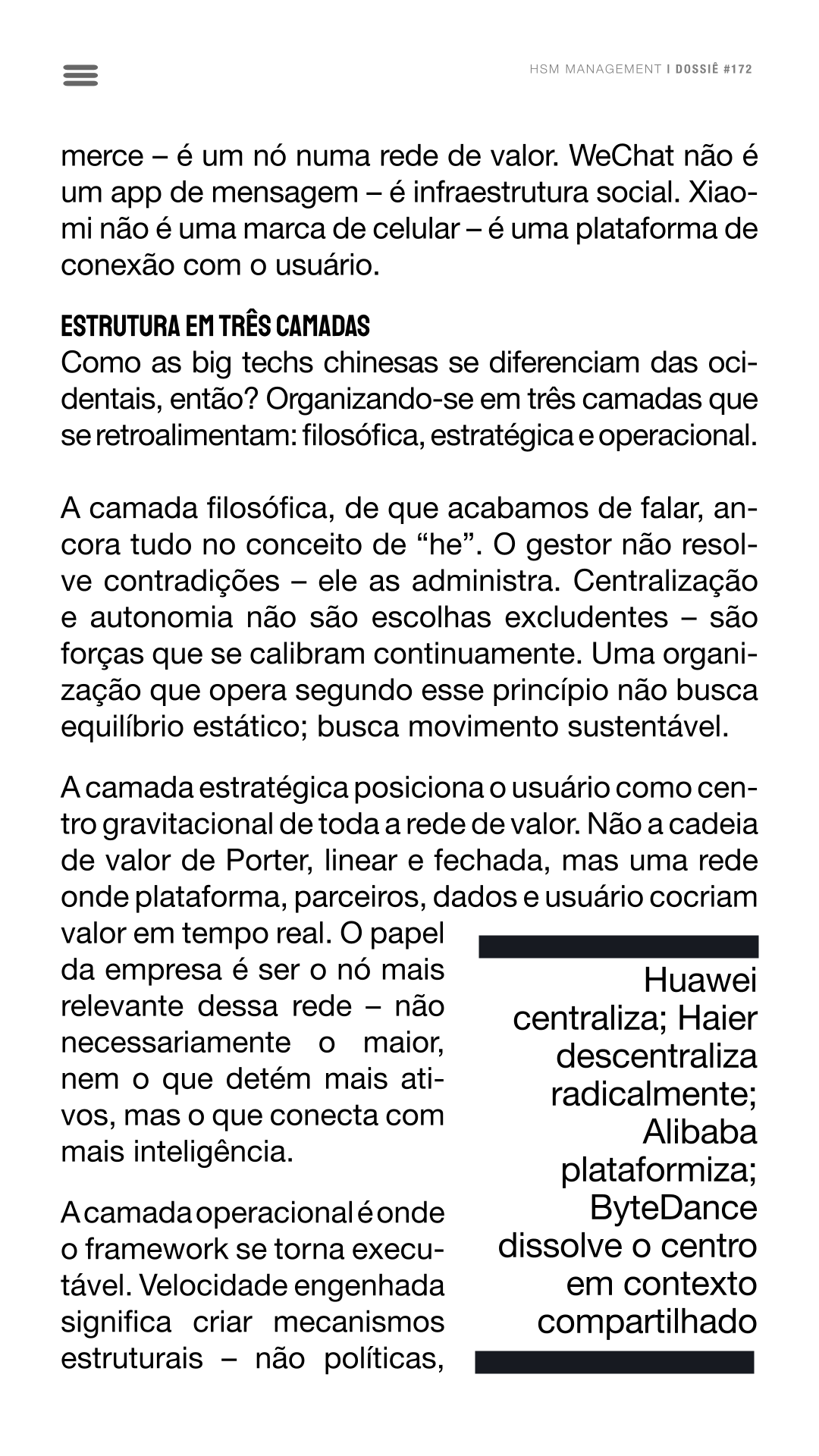
Three mechanisms that separate Chinese models from what most founders still operate:

• Data reaches whoever decides, not whoever reports. While your board waits for the monthly close, the competitor has adjusted strategy three times.

• Speed is organizational engineering, not culture. Haier turned 80,000 employees into 4,000 units with their own P&L. It was not motivation. It was structural design.

• Ecosystem before product. Alibaba did not build products. It built a platform. When the market turned, the engine was already running.

What blocks you is not a lack of technology. It is a hierarchy that filters information before it reaches whoever has the authority to decide.

Brazil is already a priority destination for Chinese expansion.

Energy, electric vehicles, agribusiness. Whoever still reads this as a competitive threat is missing the window to reposition.

The cost of continuing to treat China as a distant bloc already shows up in your results.

Post page · Comment on LinkedIn

May 8, 2026

Some meetings do not add information. They add reference

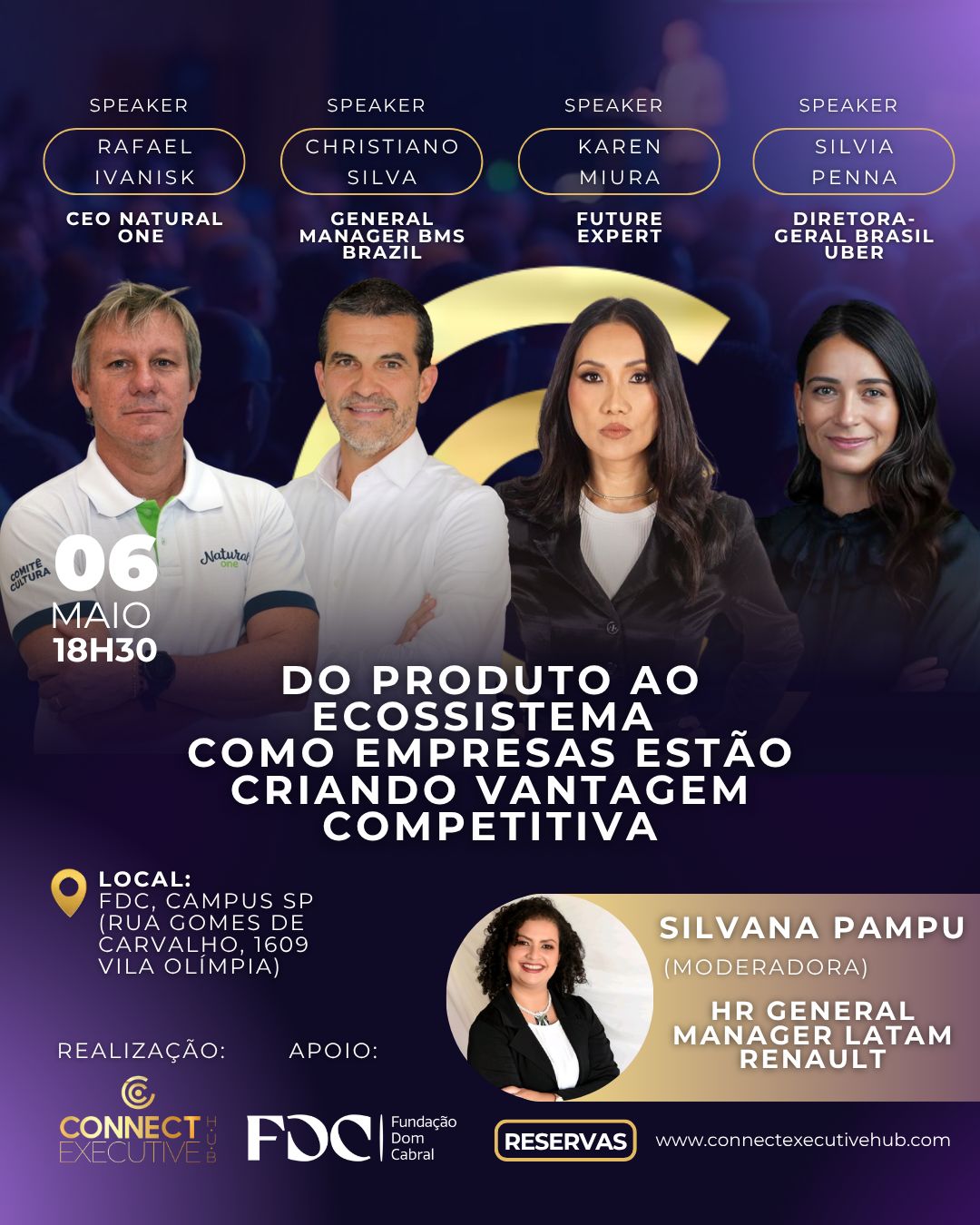
Connect Executive Hub, with the support of Fundação Dom Cabral, brought C-level executives together at FDC's São Paulo campus on May 6 to discuss how strategy, culture and business model need to evolve together. It opened with Karen Miura, who teaches Futurism at FDC, sharing what came out of SXSW, followed by a debate among leaders such as Silvia Penna, General Director of Uber Brazil, and Rafael Ivanisk Oliveira, CEO of Natural One.

Some meetings do not add information. They add reference.

This week I was at the Connect Executive Hub gathering.

No presentation agenda. No pitch. No sales agenda.

What happened was something rarer: executives from completely different sectors, health, natural foods, mobility, innovation, exchanging perspectives with real depth. We talked about SXSW, market dynamics, life choices. The conversation went from strategy to everyday life without losing altitude.

That is the kind of environment you do not schedule. You find it.

The quality of a network is not measured by the number of contacts. It is measured by the density of the conversations it allows.

To those who were there, thank you for the exchange.

Post page · Comment on LinkedIn

May 6, 2026

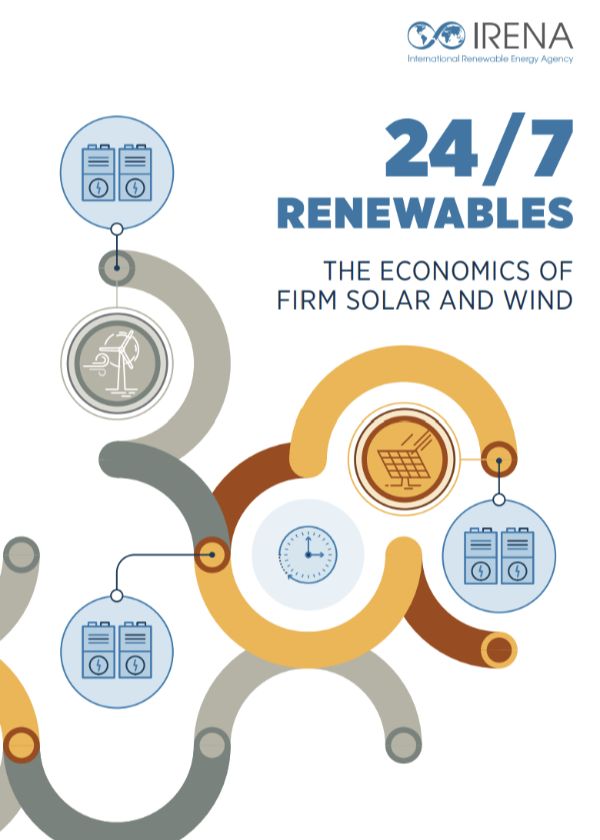
IRENA published it yesterday. The report is not a projection. It is a confirmation

Comment on IRENA's report "24/7 renewables: The economics of firm solar and wind."

IRENA published it yesterday. The report is not a projection. It is a confirmation.

Solar and wind with battery storage already deliver electricity 24 hours a day, 7 days a week, at a lower cost than most fossil fuel alternatives.

This is not an analyst's promise. It is firm LCOE, an auditable technical benchmark, calculated market by market, technology by technology.

Since 2010: solar fell 87%. Batteries fell 93%. Onshore wind fell 55%.

These numbers do not change the thesis. They end the debate.

What still blocks the decision in companies is not a lack of data. It is the same pattern I see in every business strategy process stuck halfway: the energy bill keeps growing while the project is "under review," capex was approved for another front while margin bleeds in operations, the conventional energy contract was renewed for another 24 months "to be safe."

IRENA calls this the "adequacy gap." In the companies I work with, I call it the cost of postponement.

The report closes with a sentence that deserves to be read by those who decide:

"The pace at which firm renewable electricity is deployed will be one of the most consequential determinants of the energy transition in the next decade."

Post page · Comment on LinkedIn

May 5, 2026

A figurehead Board member has opinions. A Board member with authority has consequences at the table

image 1/10image 2/10image 3/10image 4/10image 5/10image 6/10image 7/10image 8/10image 9/10image 10/10
1 / 10

A figurehead Board member has opinions. A Board member with authority has consequences at the table.

The difference is not in the résumé. It is in what happens after he speaks.
In mature Corporate Governance, the Board Member's role is not to validate the CEO's narrative. It is to expose what the operation hides and force the decision that kept being pushed back.

You have seen this before:

• The Board meeting ends with "let's let it mature." Cash bleeds in the interval between one set of minutes and the next.
• Executive alignment became a recurring agenda item. A structural decision suspended for three quarters.
• Clear diagnosis, the whole table aware. Nobody takes on the burden of bringing down the gavel.

Opinion comforts the table. Authority makes it uncomfortable until the decision comes out.

Strategic Advisory that does not change the course of the meeting is a cost line. It is not governance.

A Board member who only gives opinions does not act. He decorates. The decision he does not force, the company will pay for.

Post page · Comment on LinkedIn

Apr 29, 2026

If I had been in that meeting, I would not have said not to sell

He reshares his own April 27 post about Cajuína São Geraldo, the cashew soft drink maker from Juazeiro do Norte, in Ceará, that turned down acquisition offers from multinationals, and adds the questions he would ask as a Board member.

Board members, this text is for us!!!

If I had been in that meeting, I would not have said not to sell. I would have asked three questions.

The offer arrived. The number was real. The multinational had distribution, capital and scale to make sense on paper.
The São Geraldo family was facing a decision most entrepreneurs do not resist.

My job at that moment would not be to recommend. It would be to force clarity before the financial value anesthetized what was really at stake.
The three questions that make an offer reveal its true size:

• What are they buying that they cannot build? If the answer is identity, their price is wrong.
• What will you do afterwards? If there is no clear answer, the sale solves the present and compromises the future.
• Who inherits the decision? A family business carries generations. Selling means answering for people who have not yet sat at this table.

São Geraldo answered all three without needing a Board member. And stayed.
My role is not to say what to do. It is to make sure the decision is made with the right questions on the table.

"This is not an opinion formed in a classroom or in books. It is the view of someone who was directly involved in the sale of his own family's company."

Do not read it superficially. Read it with the weight of someone who made, and sustained, that decision in practice.

Post page · Comment on LinkedIn

Apr 27, 2026

The market tries to buy what it cannot copy

The market tries to buy what it cannot copy. And many entrepreneurs sell before discovering the size of what they were building.

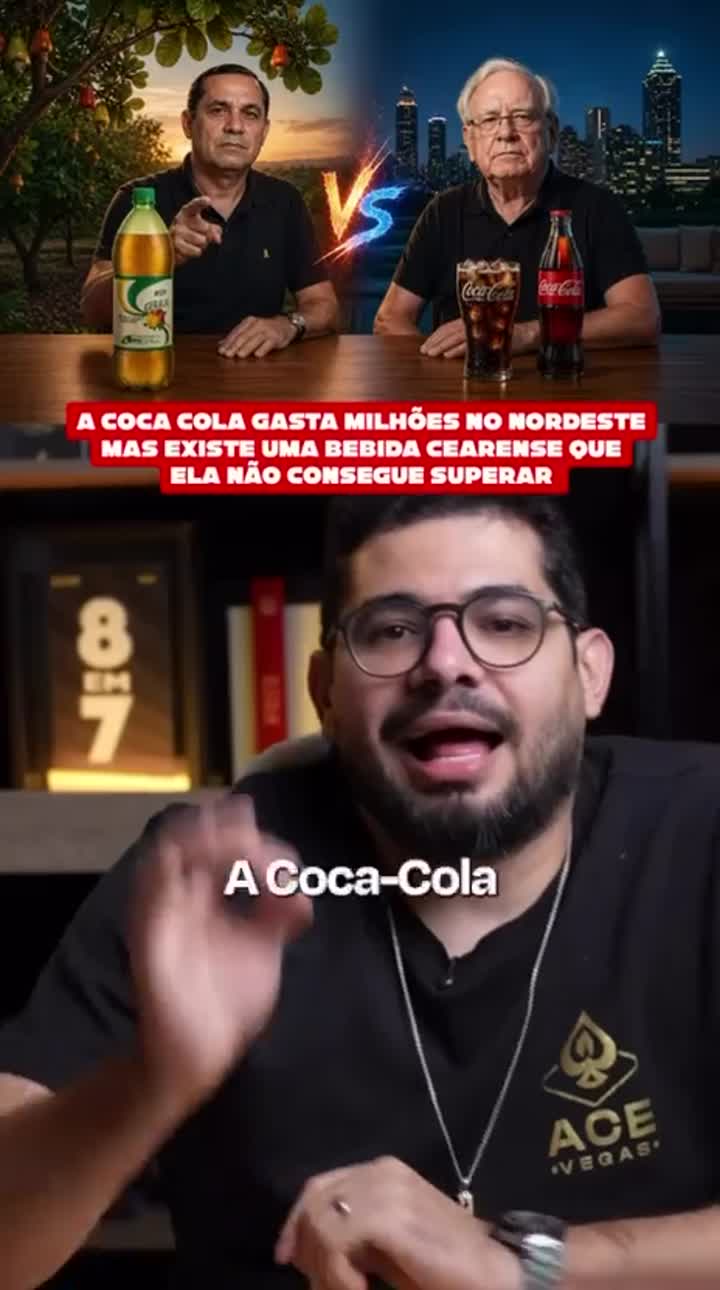
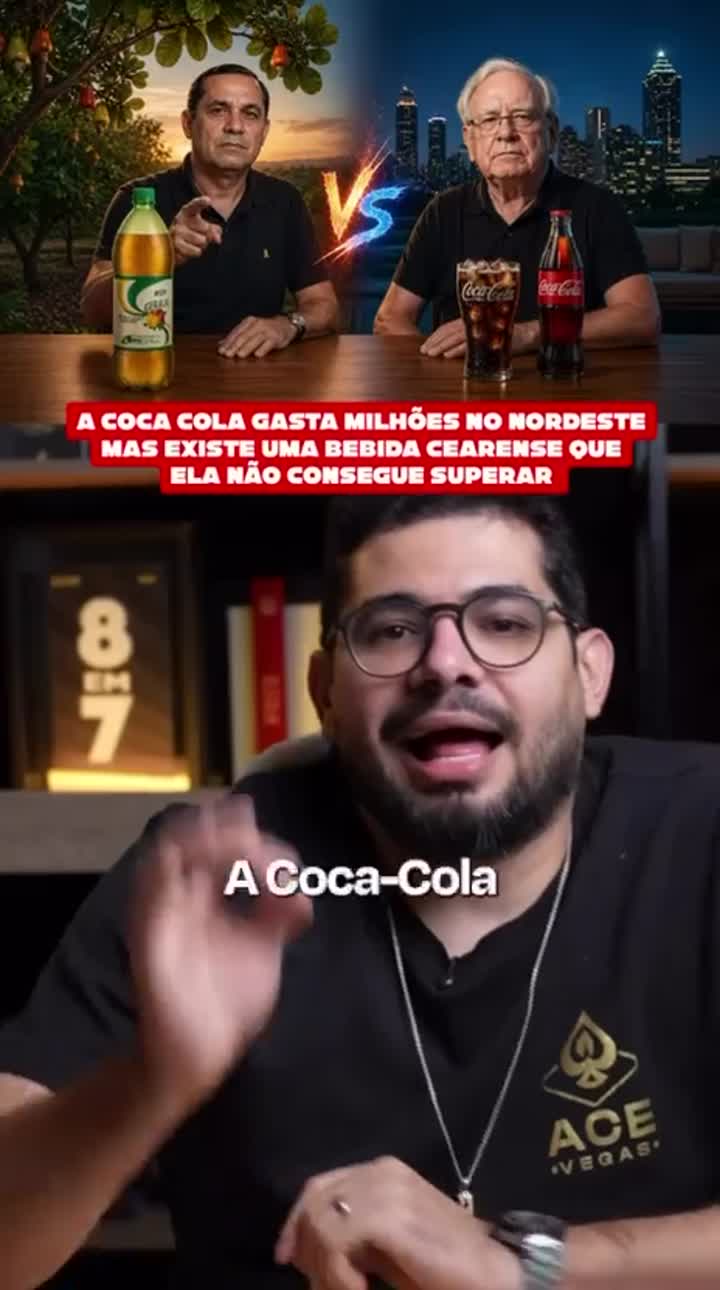
In 1948, José Amâncio de Sousa bought a factory in the backlands of Ceará with no electricity and manual machinery. No investor. No guarantee. When power reached Juazeiro do Norte in 1962, he launched a cashew soft drink made with real fruit juice, unlike anything the multinationals produced.
Acquisition offers came. The family said no.
Today São Geraldo produces 75 million liters a year, operates a 33,000 m² industrial park and receives visitors from all over Brazil who come to see how an idea from the backlands became a national reference.

Coca-Cola did not lose for lack of resources. It lost because it could not bottle into a formula what is only built with decades of conviction.

Do you have a business the market would try to buy before it managed to copy?

• Identity is not marketing. It is the reason your offer has no substitute.
• Turning down the right sale may be the biggest strategic decision of a generation.
• What cannot be replicated has no price. It has heirs.

A dream without identity becomes a product. Identity without attitude becomes nostalgia. São Geraldo chose the third path: empire.

Post page · Comment on LinkedIn

Did one of these posts describe your company?