Posts

Every week, Tuesday to Friday.

Cash, partners and succession, in the companies of those who sign. The same posts as on LinkedIn, in full, with the image or the carousel, translated from Portuguese.

Follow on LinkedIn

Jul 19, 2026

The worst customer is not the one who complains

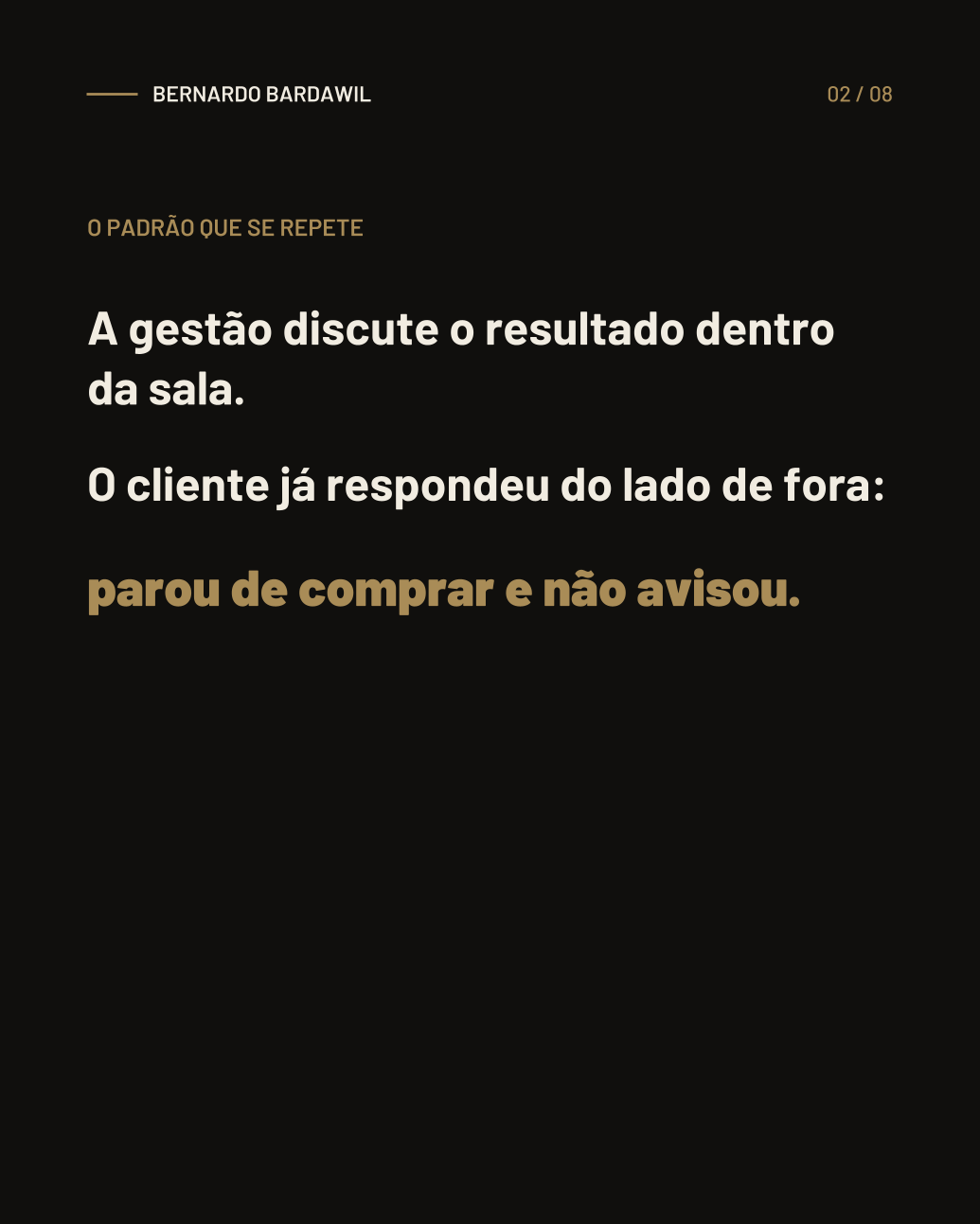
image 1/8image 2/8image 3/8image 4/8image 5/8image 6/8image 7/8image 8/8
1 / 8

The worst customer is not the one who complains. It is the one who leaves quietly and complains out on the street.

In the companies I evaluate, the pattern repeats: management discusses results inside the room while the customer has already answered outside. He stopped buying and did not say so.

I learned in practice a disparity that erodes the business without the owner noticing: a satisfied customer tells two people. A dissatisfied one tells ten. In a connected world, that math has become almost a law.

This is not solved with a satisfaction survey. It is not solved with a retention campaign.

There is no recommendation. There is a decision.

The three points where the experience exposes management:

• The promise sales signs and operations does not keep: every delay turns a repeat purchase into a quote with the competitor.
• The rework that disappears inside cost: margin per customer falls before the income statement points to the cause.
• Silence read as satisfaction: acquisition cost rises to replace those who left quietly, and the referral rate that would measure the truth (spontaneous recommendation) is not even tracked.

A survey measures what the customer says. Repeat purchase measures what he does.

If you do not know your repeat purchase and referral rates, that is Monday's first decision. The cost has already started.


Post page · Comment on LinkedIn

Jul 16, 2026

I was never a fan of franchising. And it was operating a service business that I understood why

image 1/7image 2/7image 3/7image 4/7image 5/7image 6/7image 7/7
1 / 7

I was never a fan of franchising. And it was operating a service business that I understood why.

Franchising works perfectly in many segments. Food, apparel, finished products. The contract standardizes what matters.

In services, the math changes. You standardize price, parts, layout. But the service happens far from your eyes. In my repair shop, the brand was in the mechanic's hands. In the energy distributor, in the electrician's hands. Your brand passes from hand to hand until it reaches someone who never signed a contract with you.

A satisfaction survey measures customer service. The quality of the work itself, it does not reach.

That is where it became clear: a service standard is not decided by the smile at the front desk. It is decided in the structure, before the first unit opens.

Before franchising, the question is not how much you can grow. It is what creates value for the brand and what dilutes it. Few ask that question, because growing is exciting.

Growing right multiplies the brand. Growing wrong distributes your name to people you do not control.

The brand is yours. The standard, if it is not in the structure, is not.

Post page · Comment on LinkedIn

Jul 14, 2026

Growing to 18 states almost took the operation apart from the inside

image 1/7image 2/7image 3/7image 4/7image 5/7image 6/7image 7/7
1 / 7

Growing to 18 states almost took the operation apart from the inside.

During the distributor's national expansion, every new state came in with a party in sales and silence in operations. Revenue went up. The problem grew with it: freight became the bottleneck.

Nobody decided to create a mess. Disorder came in through the door growth opened: logistics chasing suppliers with viable costs, improvised processes becoming the rule, yesterday's exception becoming today's routine.

Disorganized growth did not look like a problem while cash was coming in. It was energy wasted on extra process.

The signal I learned to watch was not in revenue. It was in the team's question. Before, it was "how do we do this here." Later it became "who do I solve this with." Expansion without a defined growth strategy charges in margin what it delivers in revenue.

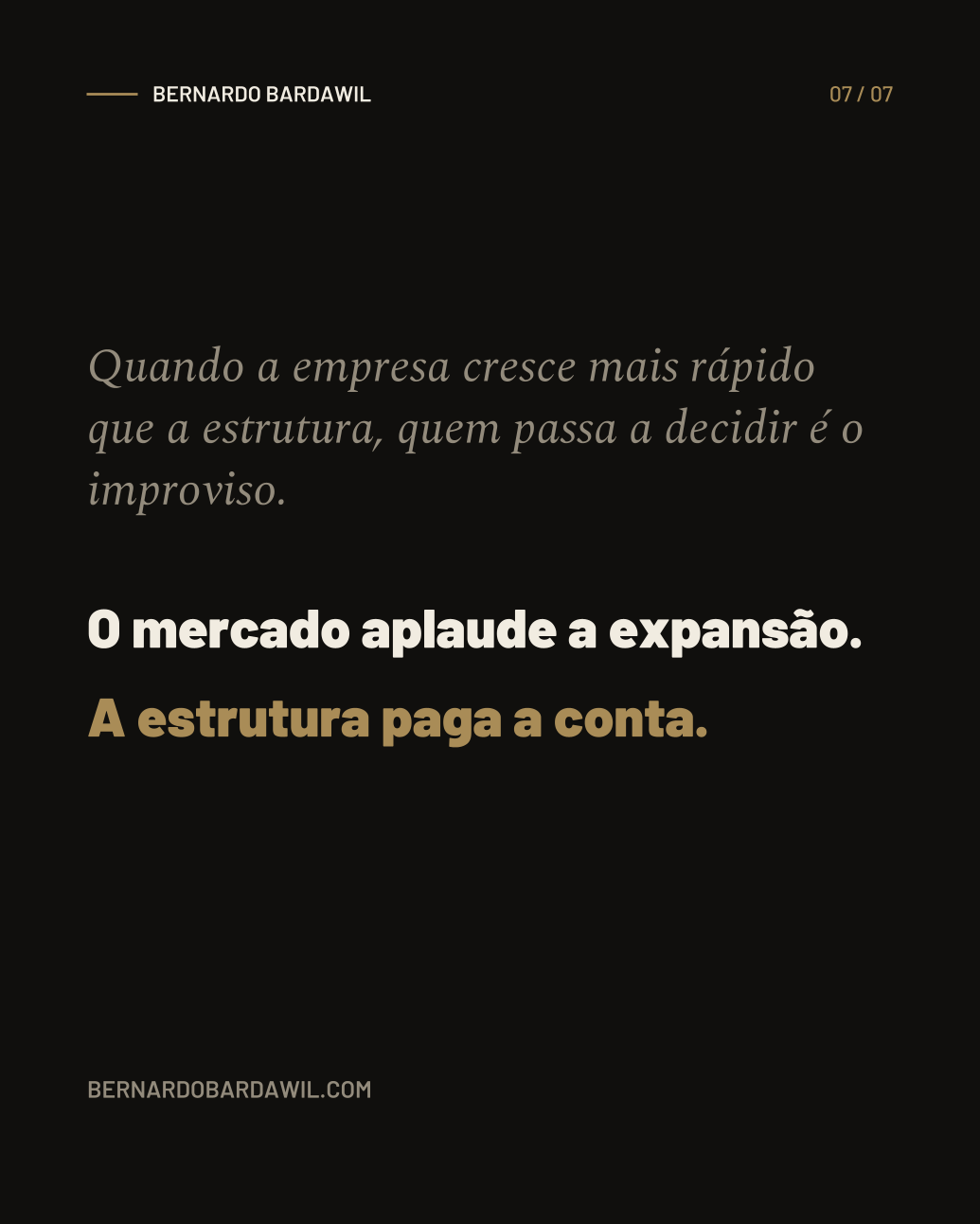
When the company grows faster than its structure, improvisation becomes the one deciding.

The market applauds the expansion. The structure pays the bill.

Post page · Comment on LinkedIn

Jul 14, 2026

A guest at the Koinz Meetup in São Paulo

Koinz Capital brings founders, executives and investors together in closed gatherings built for qualified conversations and long-term relationships. This Koinz Meetup took place at The View Bar, in São Paulo, and he attended as a guest.

It was a great pleasure to take part in this event as a guest of Koinz Capital. The initiative provided relevant connections, high-level exchanges and concrete value creation.

Thank you for the invitation, and congratulations to everyone involved in the organization. I recommend the experience.

Post page · Comment on LinkedIn

Jul 13, 2026

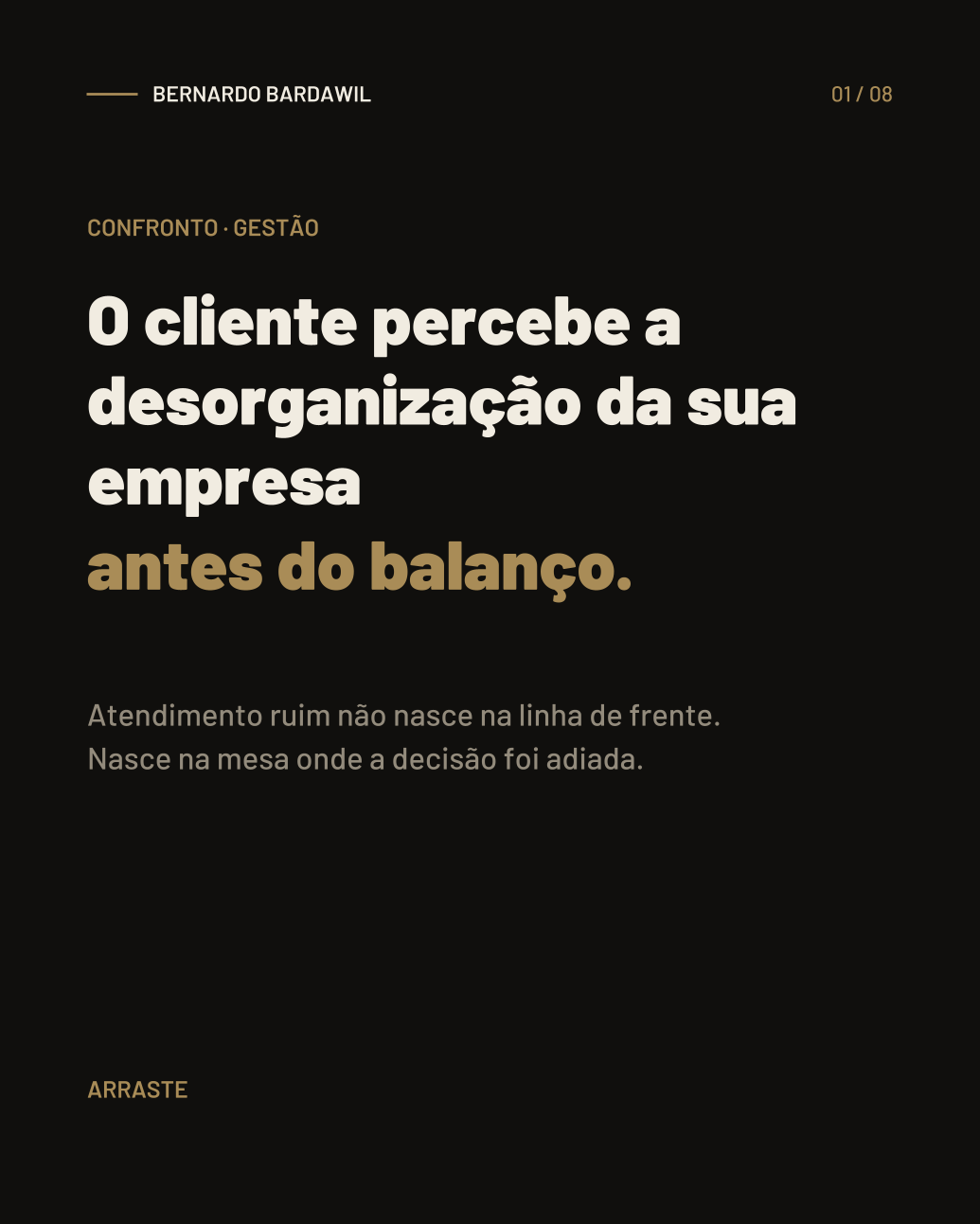
Your customer perceives your company's disorganization before the balance sheet does

image 1/8image 2/8image 3/8image 4/8image 5/8image 6/8image 7/8image 8/8
1 / 8

Your customer perceives your company's disorganization before the balance sheet does.

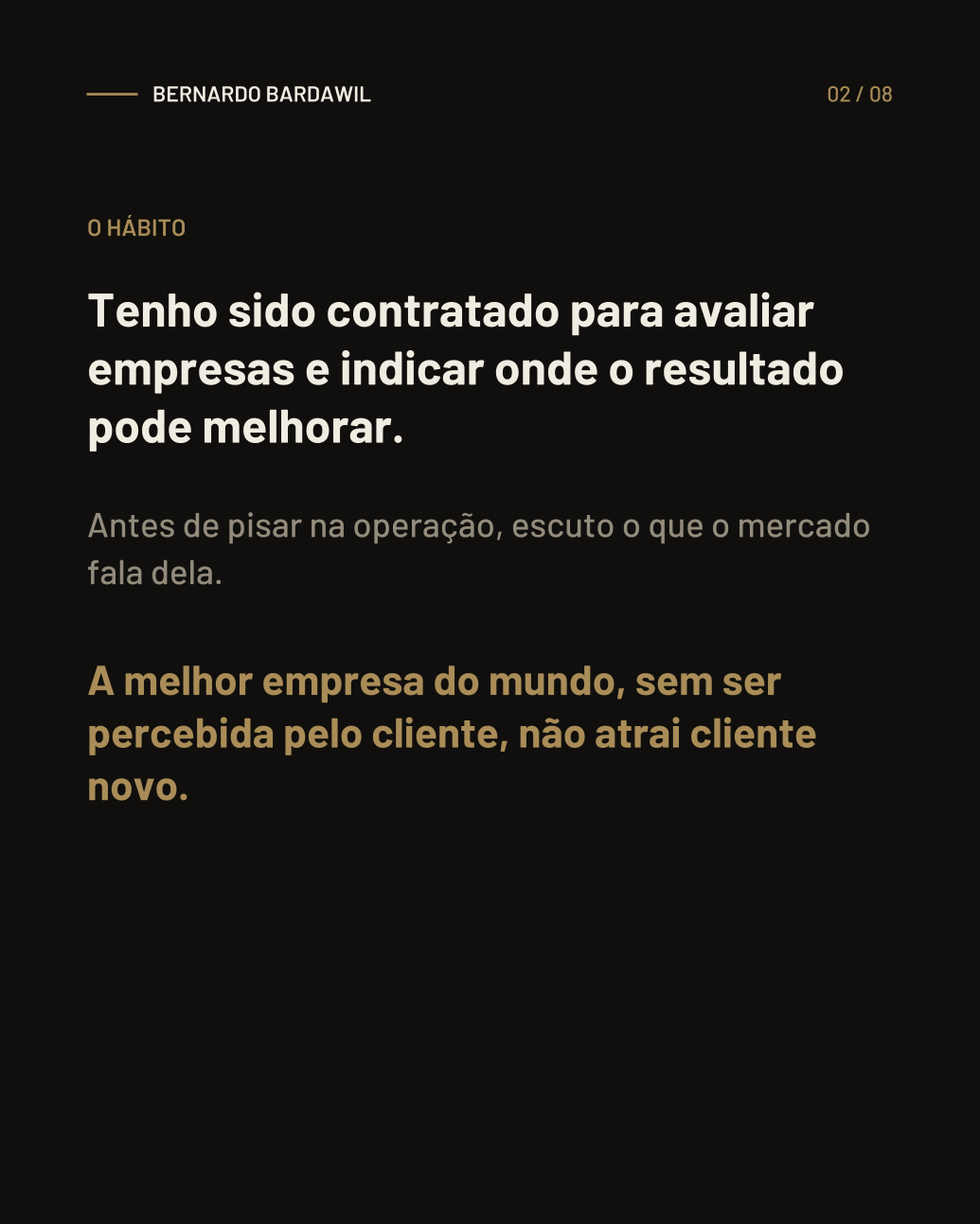
I have been hired to evaluate companies and point out where results can improve. I created a habit: before setting foot in the operation, I listen to what the market says about it. The best company in the world, if the customer does not perceive it, does not attract new customers.

This did not come from theory. In my repair shops, color, light and service were my decision, down to the detail. At the solar energy distributor, the customer received a photo of each item before the load left. He knew whom to call and what he would receive. That perceived value set us apart from an entire market operating through platforms.

Bad service is not a training failure. It is not a front-line problem. It is a decision postponed at the top, arriving at the edge.

Excellence the customer does not perceive is not excellence. It is cost.

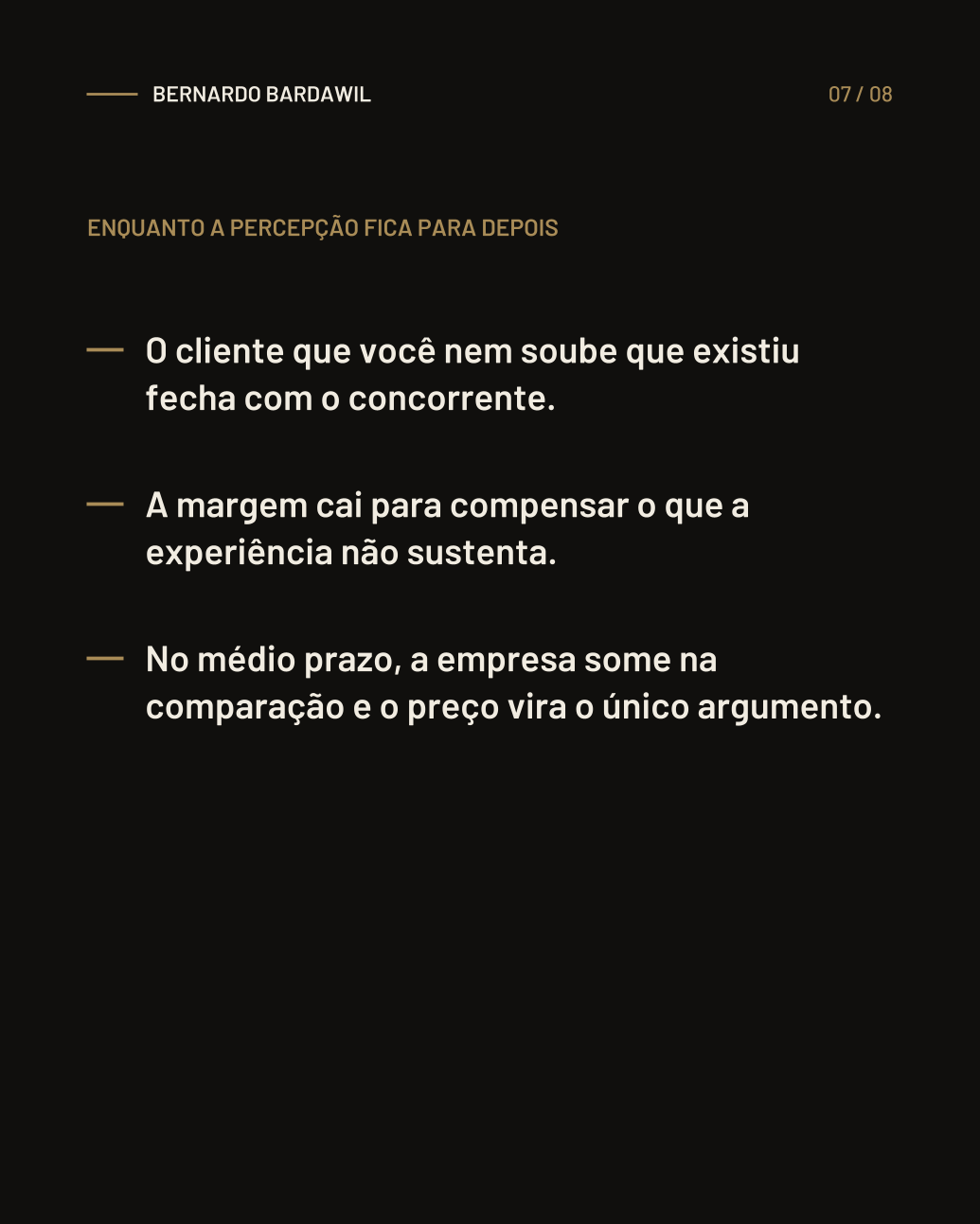
While perception is left for later:
• The customer you never even knew existed closes with the competitor.
• Margin falls to make up for what the experience does not sustain.
• In the medium term, the company disappears in the comparison and price becomes the only argument.

The customer does not read your balance sheet. He feels your management.

By the time the balance sheet shows it, the customer has already left. The cost has already started.

Post page · Comment on LinkedIn

Jul 10, 2026

Shopify's CEO banned hiring without prior proof: show that AI cannot handle it before asking for people

image 1/8image 2/8image 3/8image 4/8image 5/8image 6/8image 7/8image 8/8
1 / 8

Shopify's CEO banned hiring without prior proof: show that AI cannot handle it before asking for people.

You have seen this scene in your company. The team is stretched, someone asks for a position, the position is approved. And nobody asks what that request is hiding.

Hiring is the most expensive way to postpone a redesign.

When growth squeezed the automotive operation, the obvious path was to add: more people, more structure, more street locations. I took the repair shop inside the shopping mall, where the customer already was. The car went into maintenance while the owner had lunch. I did not hire to sustain an old design: I redesigned where the work happened.

The problem is not a lack of people. Nor is it excess cost.

There is no recommendation. There is a decision.
• Every position approved under the old design freezes a bad process at exactly the point where it costs the most.
• Payroll grows faster than margin, and nobody points out where.
• The medium term inherits the structure the short term did not have the courage to question.

Shopify's rule is not about AI. It is about who has the courage to look at the design before paying for the postponement.

Companies do not stall for lack of people. They stall because they turn clarity into postponement. The cost has already started.
Post page · Comment on LinkedIn

Jul 8, 2026

The most important decision of my expansion was not to expand

image 1/8image 2/8image 3/8image 4/8image 5/8image 6/8image 7/8image 8/8
1 / 8

The most important decision of my expansion was not to expand.

Scaling up the car service operation, the bottleneck appeared before the critical phase: payroll was growing in disorder. Accelerating with that imbalance was not courage. It was irresponsibility.

A postponed decision turns growth into improvisation. And I was not going to improvise with the whole operation riding on it.

We lacked standardized labor to sustain what was coming. So I built the structure before growth charged for it: a negotiation that started at Bosch Brazil, went up to Bosch in Germany and ended with Bosch's first training franchise in the world operating inside my company.

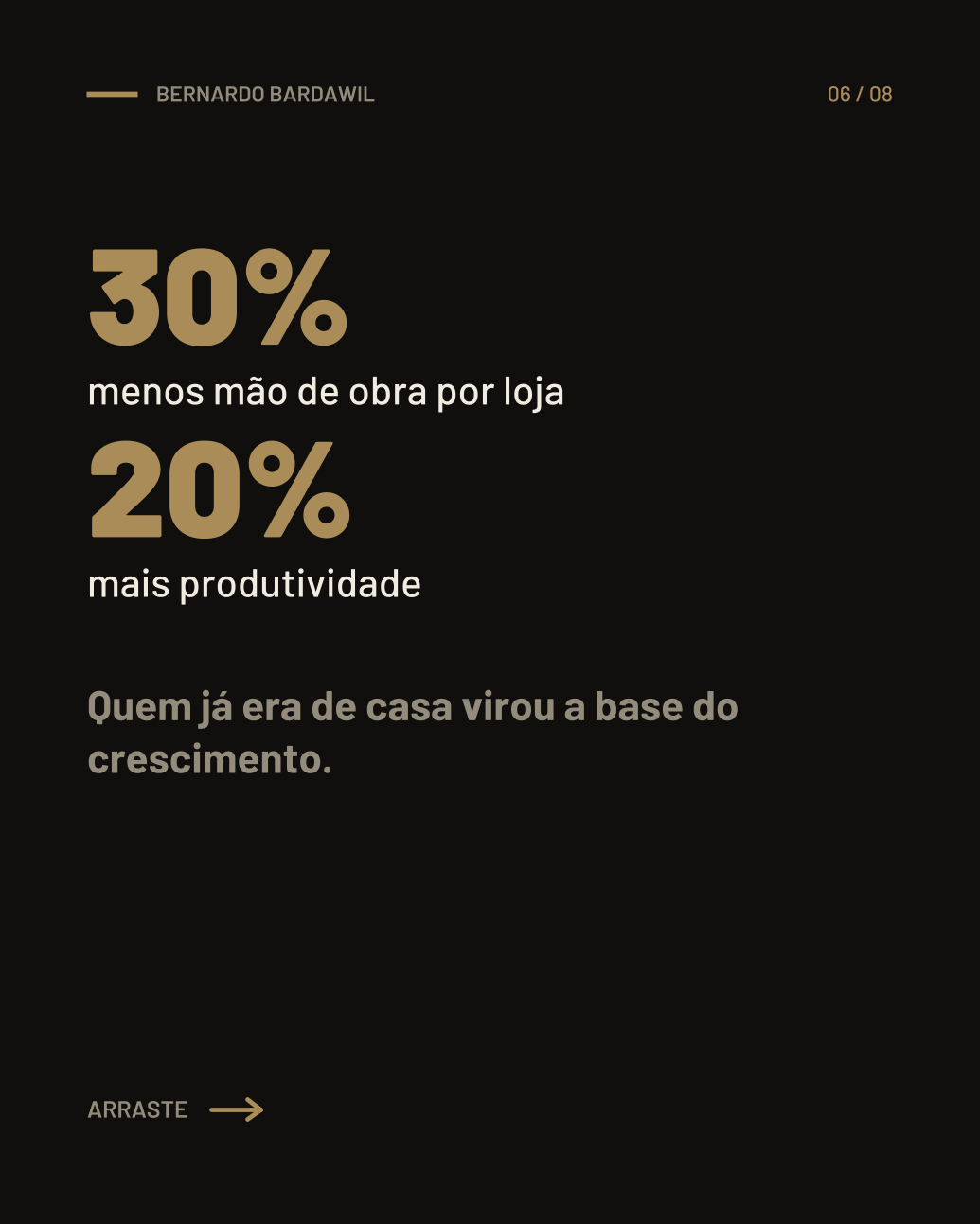
The result: 30% less labor per store and 20% more productivity. Those already on the team became the base of growth. Productivity paid for the expansion.

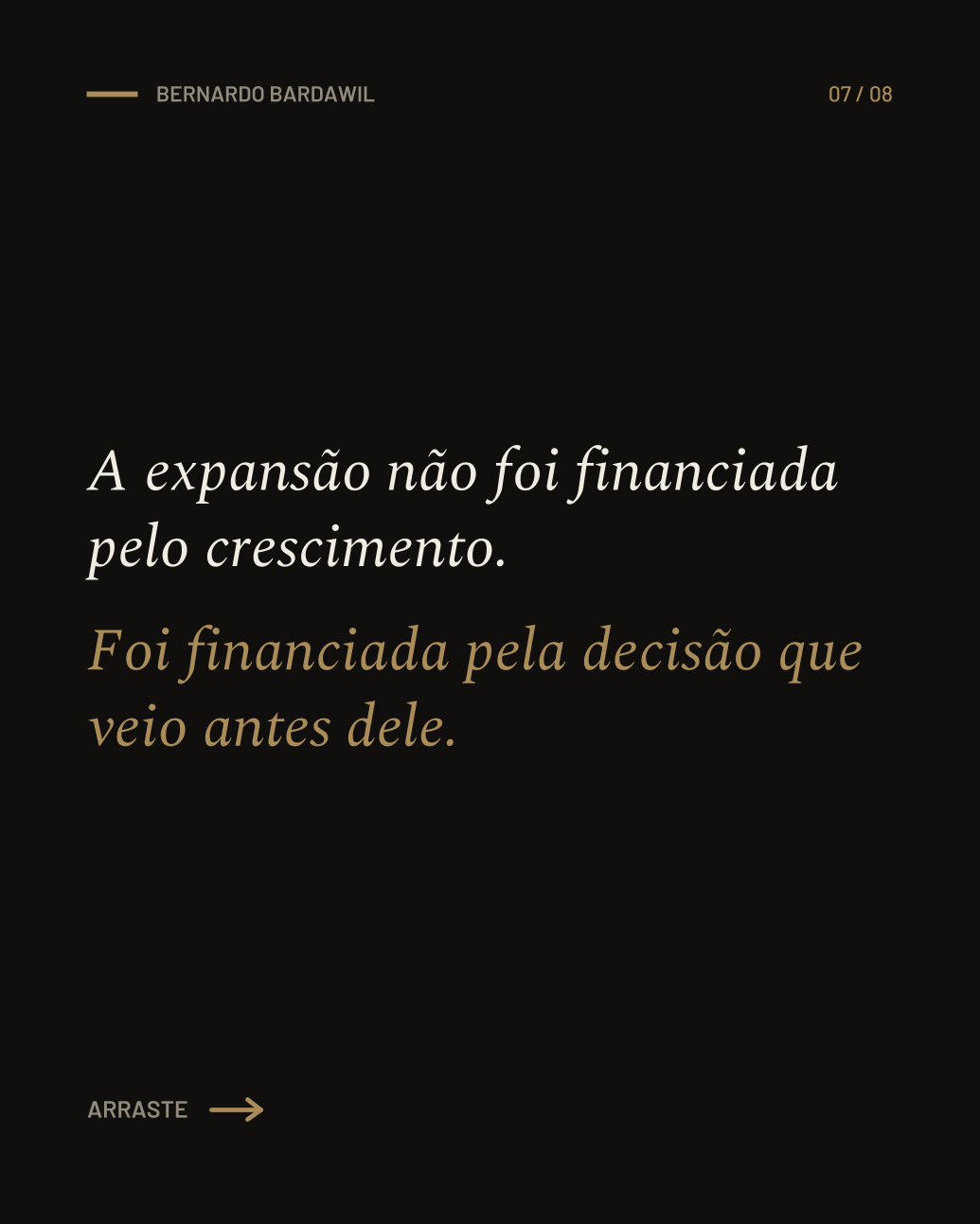
The expansion was not financed by growth. It was financed by the decision that came before it.

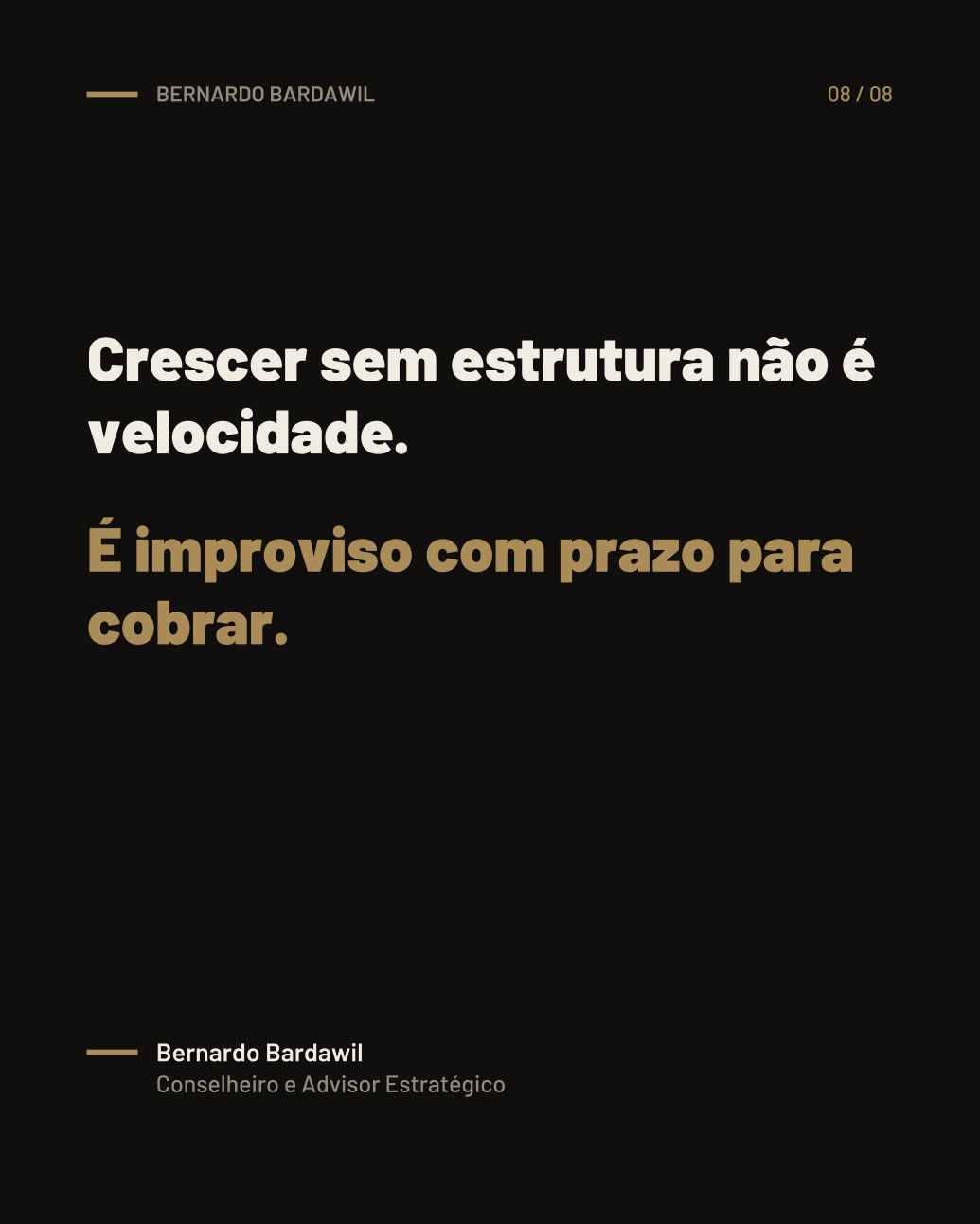
Growing without structure is not speed. It is improvisation with a due date.
Post page · Comment on LinkedIn

Jul 7, 2026

Every owner-led company will be a family business one day

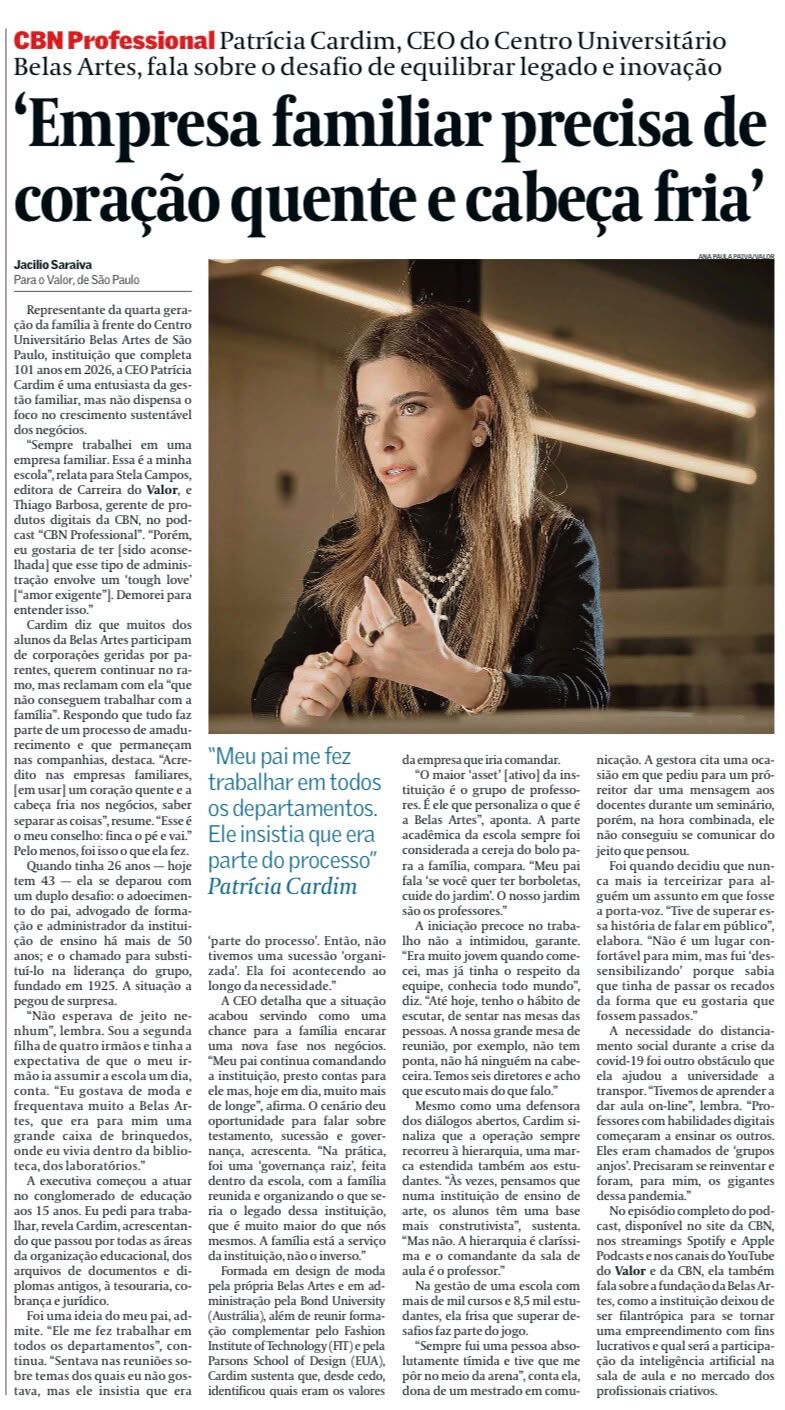
Comment on the Valor Econômico article "A family business needs a warm heart and a cool head", shared by Daniel Faria.

Daniel Faria, this topic moves me. I came from a family business with a path almost identical to the one described in the article. Patricia Gomes Cardim's trajectory is nearly a copy of mine, only in automotive, not education.

But the point is not the coincidence. It is the pattern. In most family businesses, the son comes in with no defined space, goes through the whole company as if looking for where he fits, and suddenly has to take over the operation. Succession is not planned: it is imposed by necessity.

Today I dedicate myself to changing that. Every owner-led company will be a family business one day. What stalls the transition is not the successor's lack of talent: it is fear, the absence of a process, and the founder's discomfort with having someone close enough to one day take his place.

Brazil is mostly made of family businesses, and almost all of them tell the same story. The role here is not only to tell your own: it is to make this transition natural and, more than that, intentional, so the successor is ready before the trigger, not after.

I make this a life's journey as a Board Member. But the process only exists when the founder is open to building it. With that openness, the company flows without pain. Without it, no process solves it.

Post page · Comment on LinkedIn

Jul 6, 2026

Have you ever postponed a decision swearing it was caution

image 1/7image 2/7image 3/7image 4/7image 5/7image 6/7image 7/7
1 / 7

Have you ever postponed a decision swearing it was caution?

So have I. I called it waiting for the right moment. Until I entered the renewable energy market, where the right moment lasts a day. Today the dollar shows up on every page of my phone: I do not unlock the screen without knowing where it is.

A postponed decision is not prudence. It is accumulated cost.

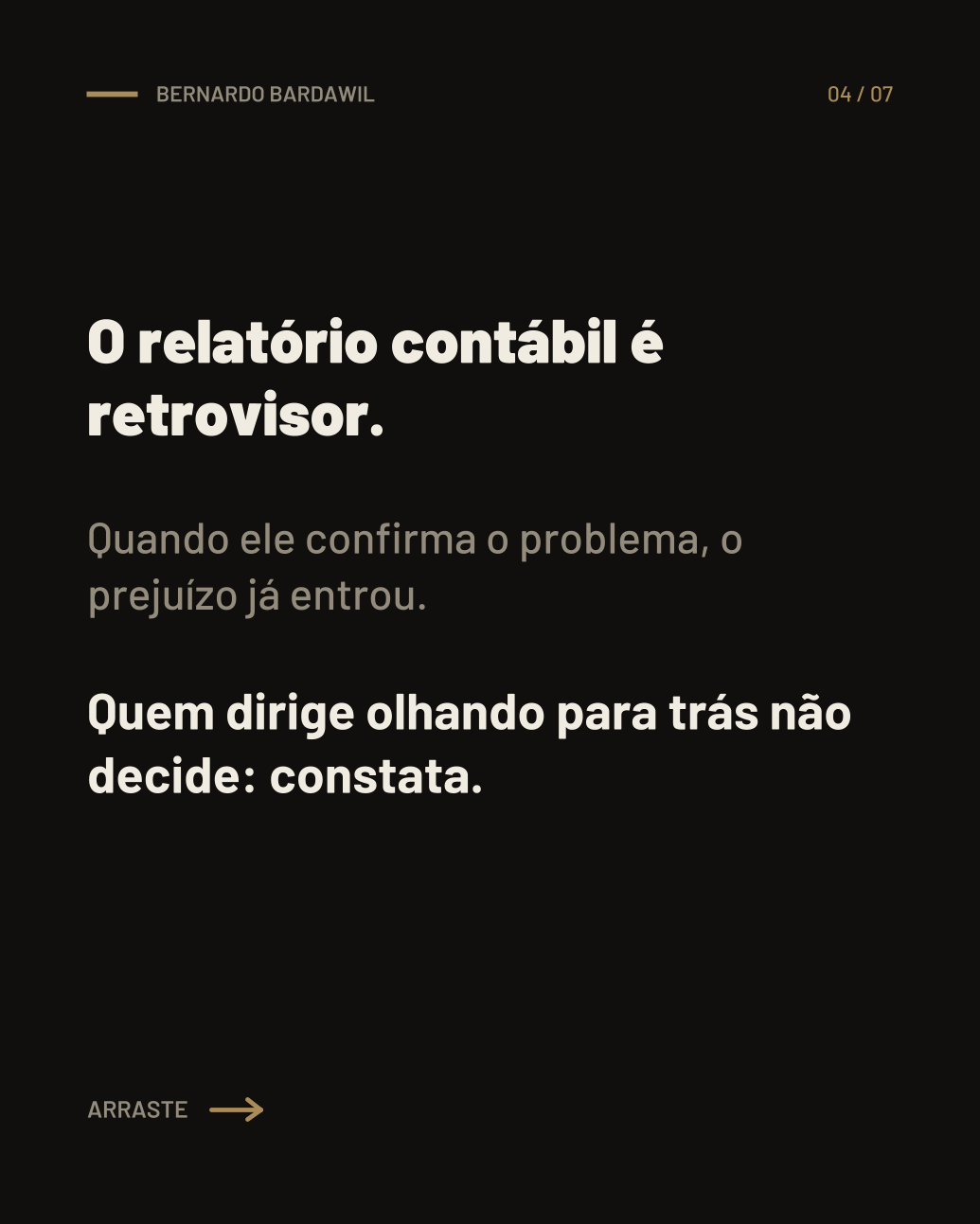
The accounting report is a rear-view mirror. When it confirms the problem, the loss is already in. Whoever drives looking backwards does not decide: he merely observes.

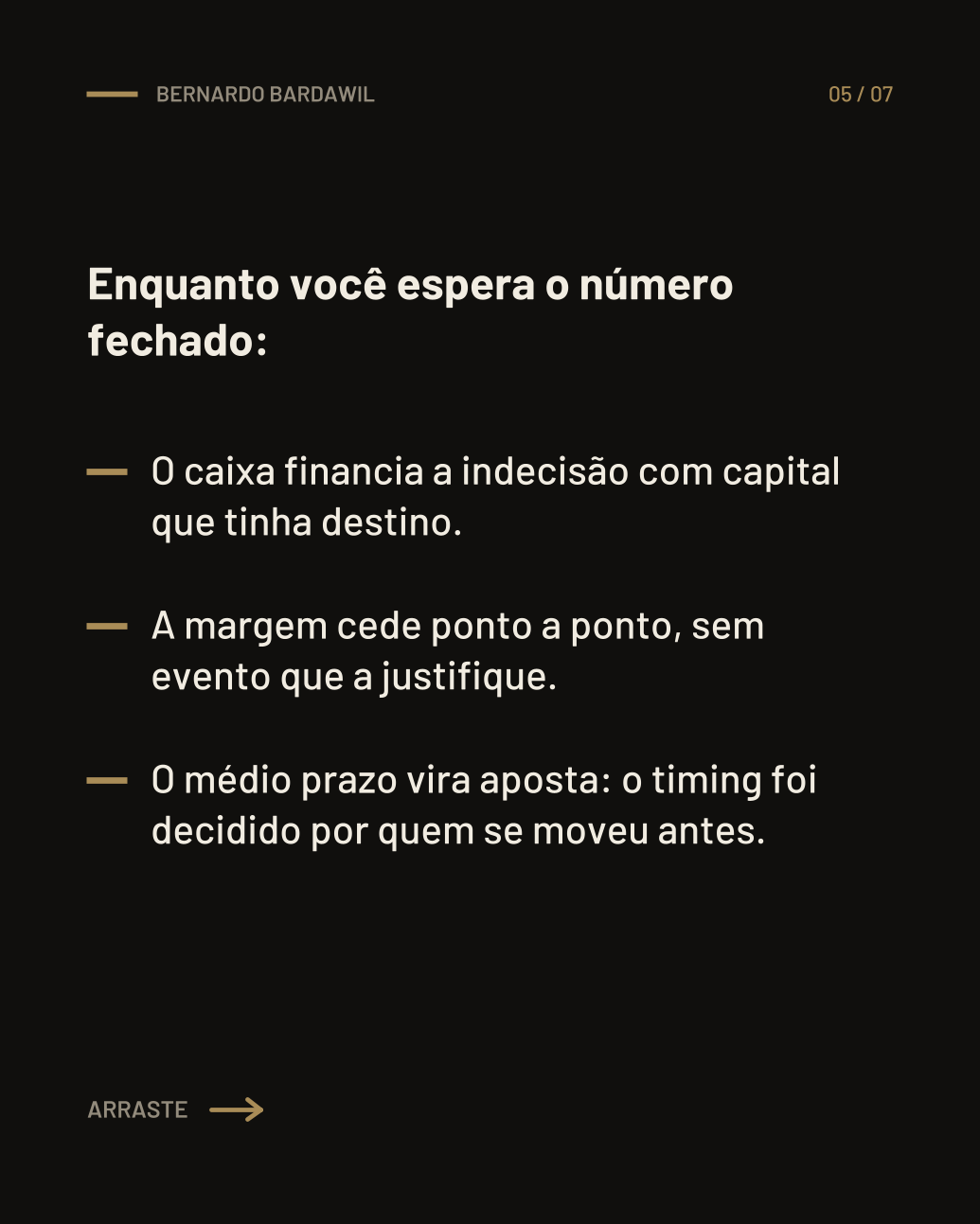
While you wait for the closed number:
• Cash finances indecision with capital that had a destination.
• Margin gives way point by point, with no event to justify it.
• The medium term becomes a bet, because the timing was decided by whoever moved first.

Data that arrives ready already arrives old.
Deciding without waiting for the report is not emotion. It is context built every day.
The cost of your prudence has already started running.

Post page · Comment on LinkedIn

Jul 4, 2026

It is remarkable what happens when a country plans with the entire system in mind, rather than focusing only on immediate costs

Comment on Green Buildings for Tomorrow's post about cities that plan roofs and buildings to fight heat.

It is remarkable what happens when a country plans with the entire system in mind, rather than focusing only on immediate costs.

A decision like this improves people's quality of life, reduces energy consumption for cooling, lowers health risks, eases the burden on the healthcare system, and creates a chain of economic and social benefits that reinforce one another.

This is the difference between seeing an isolated expense and understanding the systemic impact of public policy decisions. While some see only cost or waste, governments with a long-term vision recognize that certain investments generate returns through higher productivity, better public health, greater energy efficiency, and lower future public expenditures.

That is the difference between managing expenses and creating lasting value for society.

Post page · Comment on LinkedIn

Jul 3, 2026

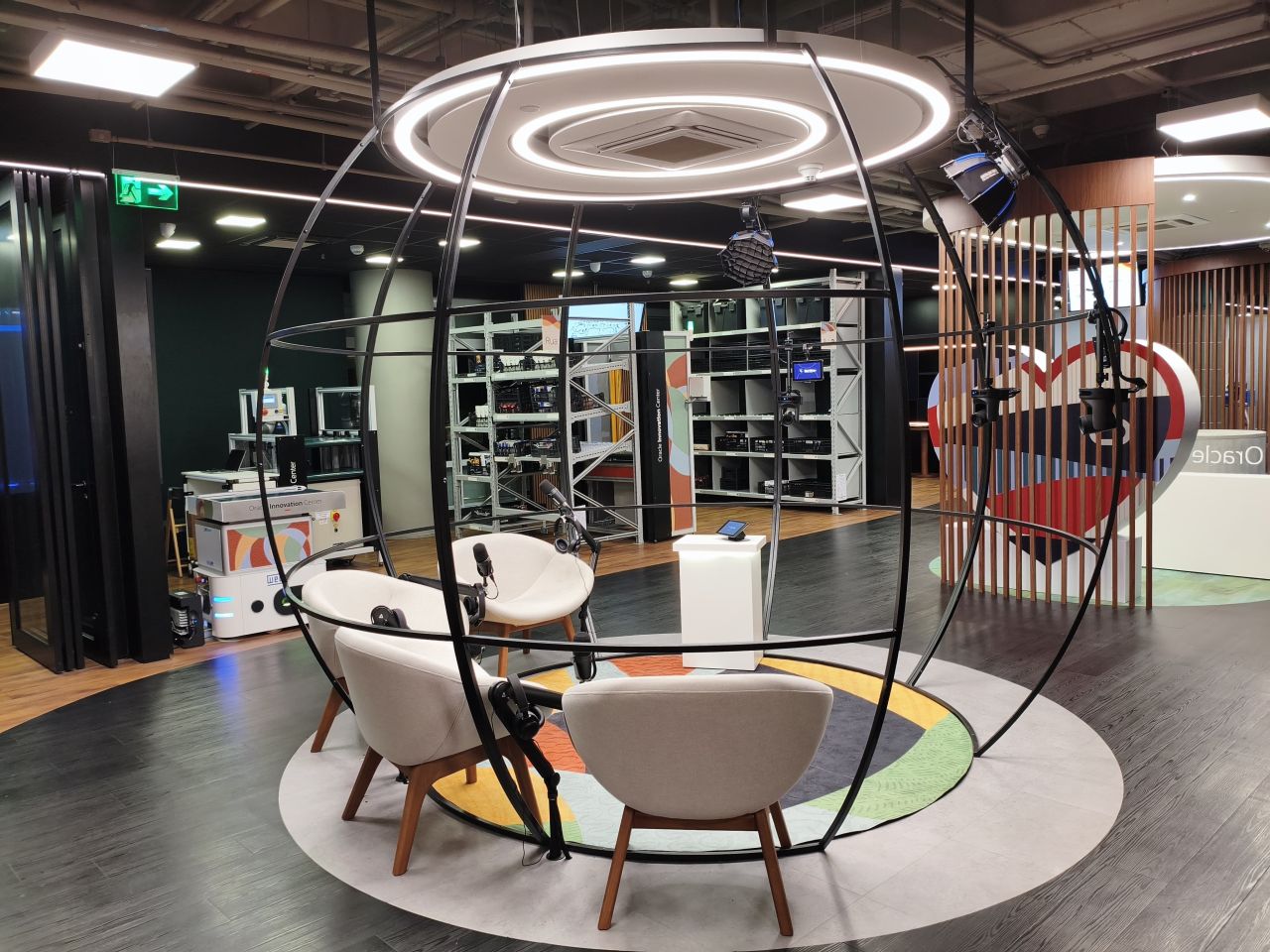
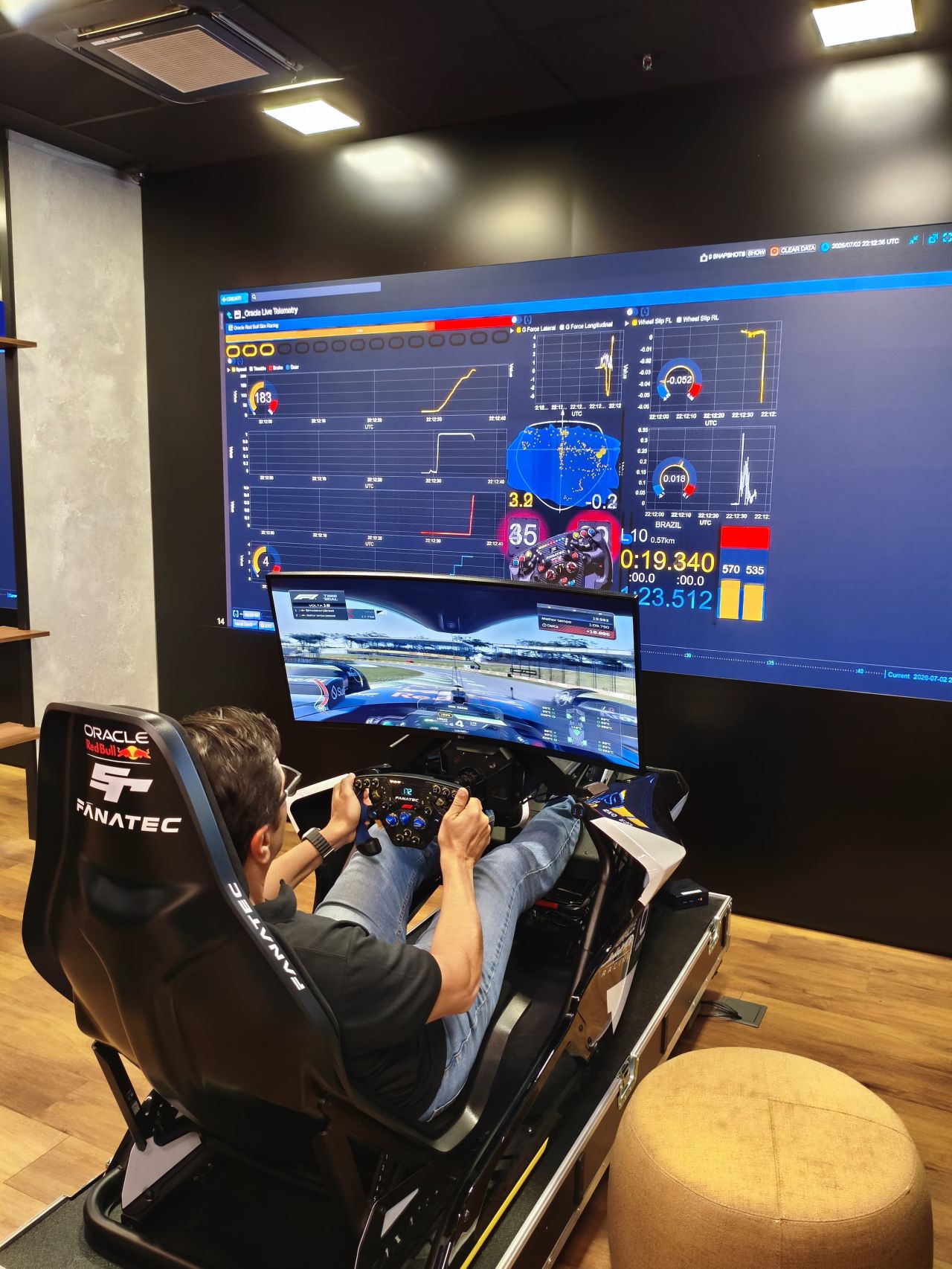
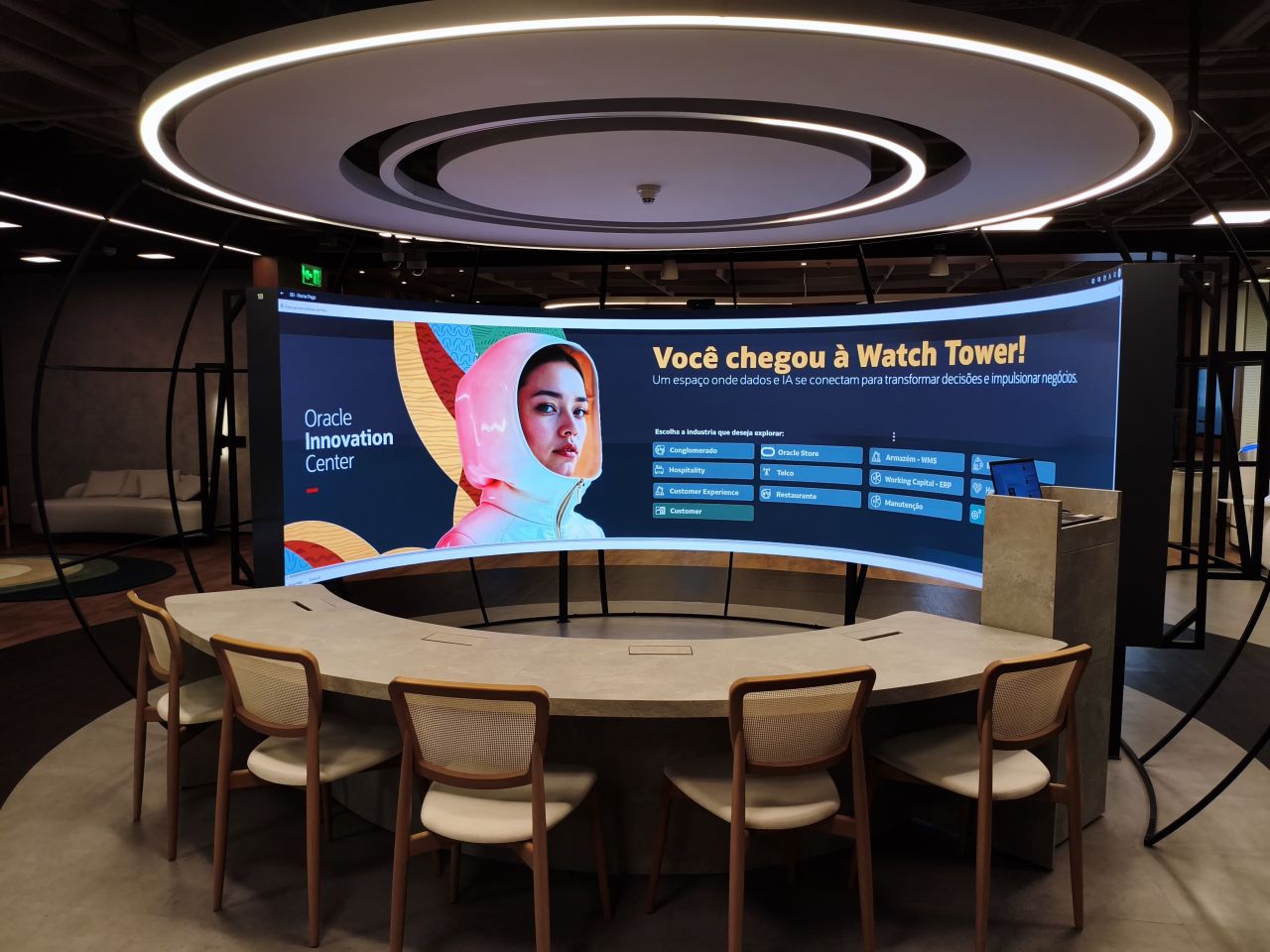
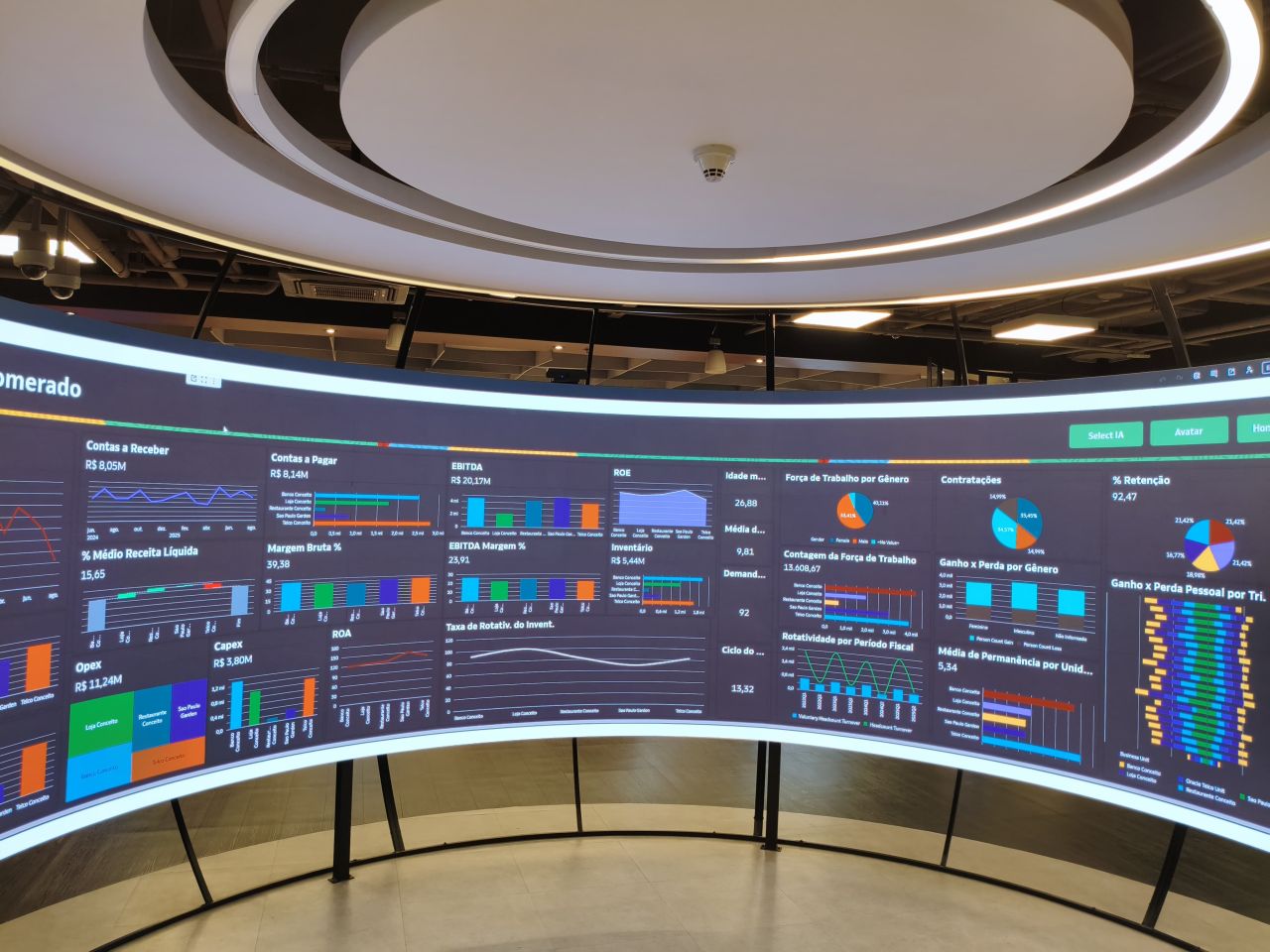
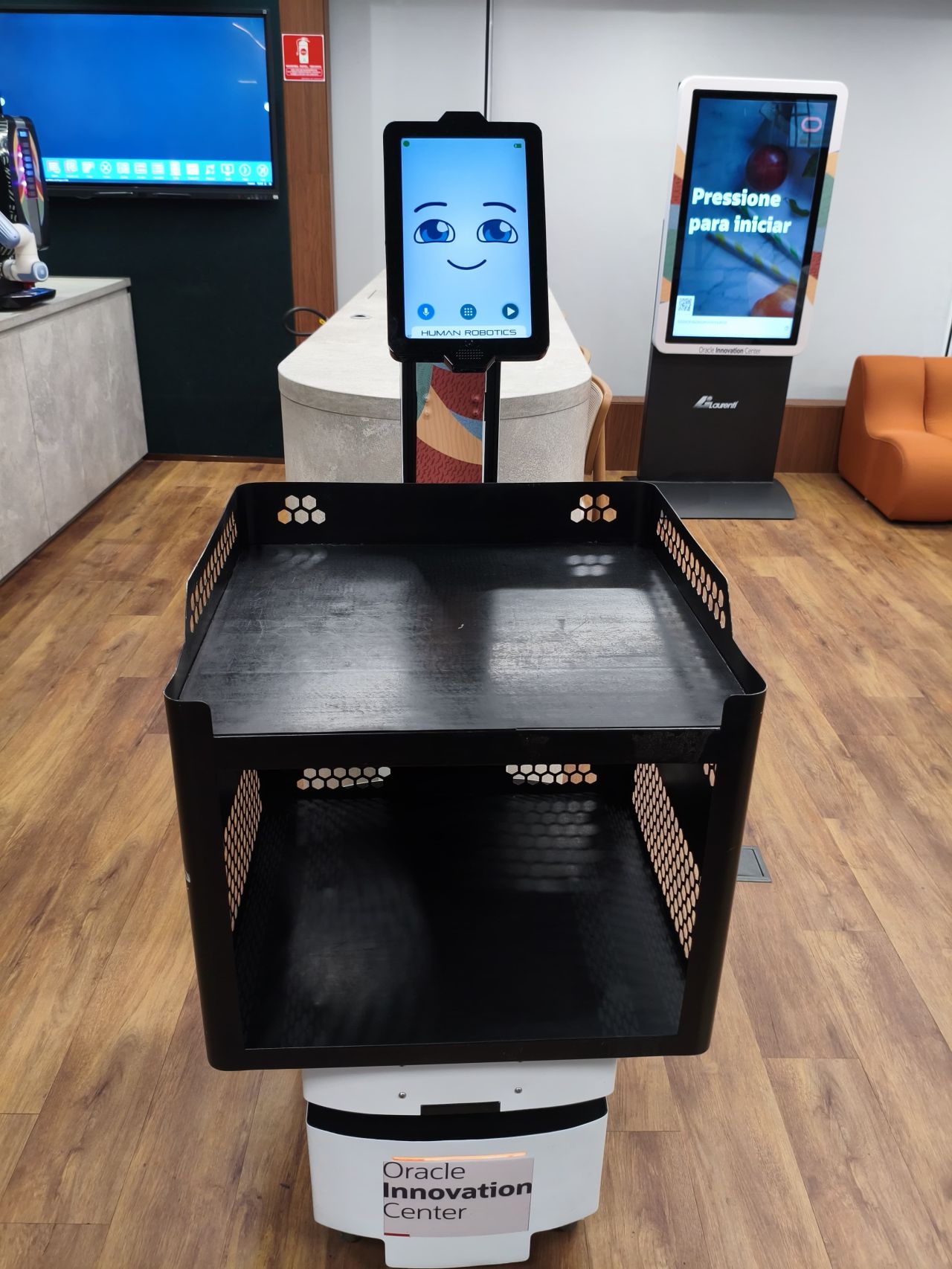
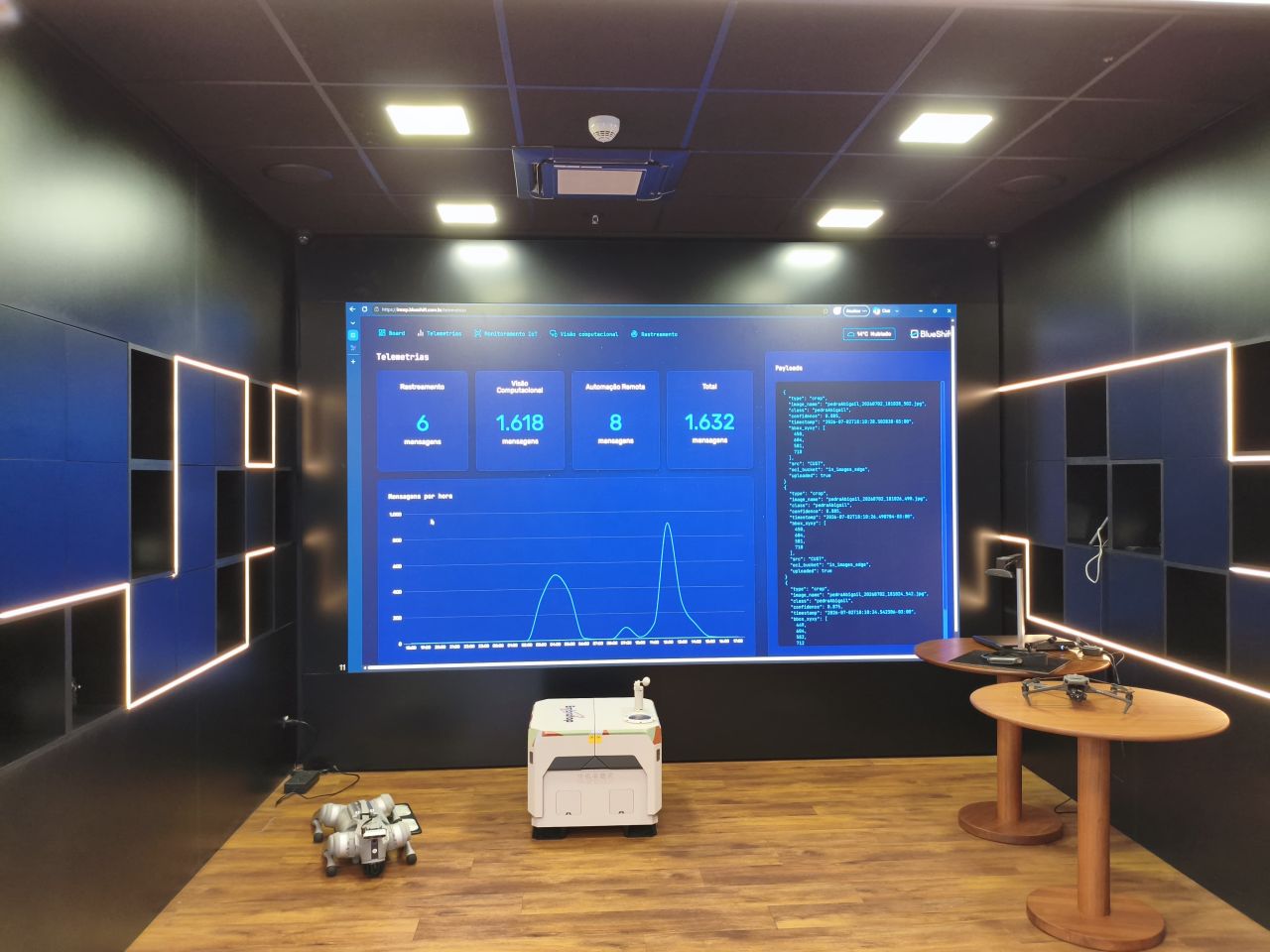
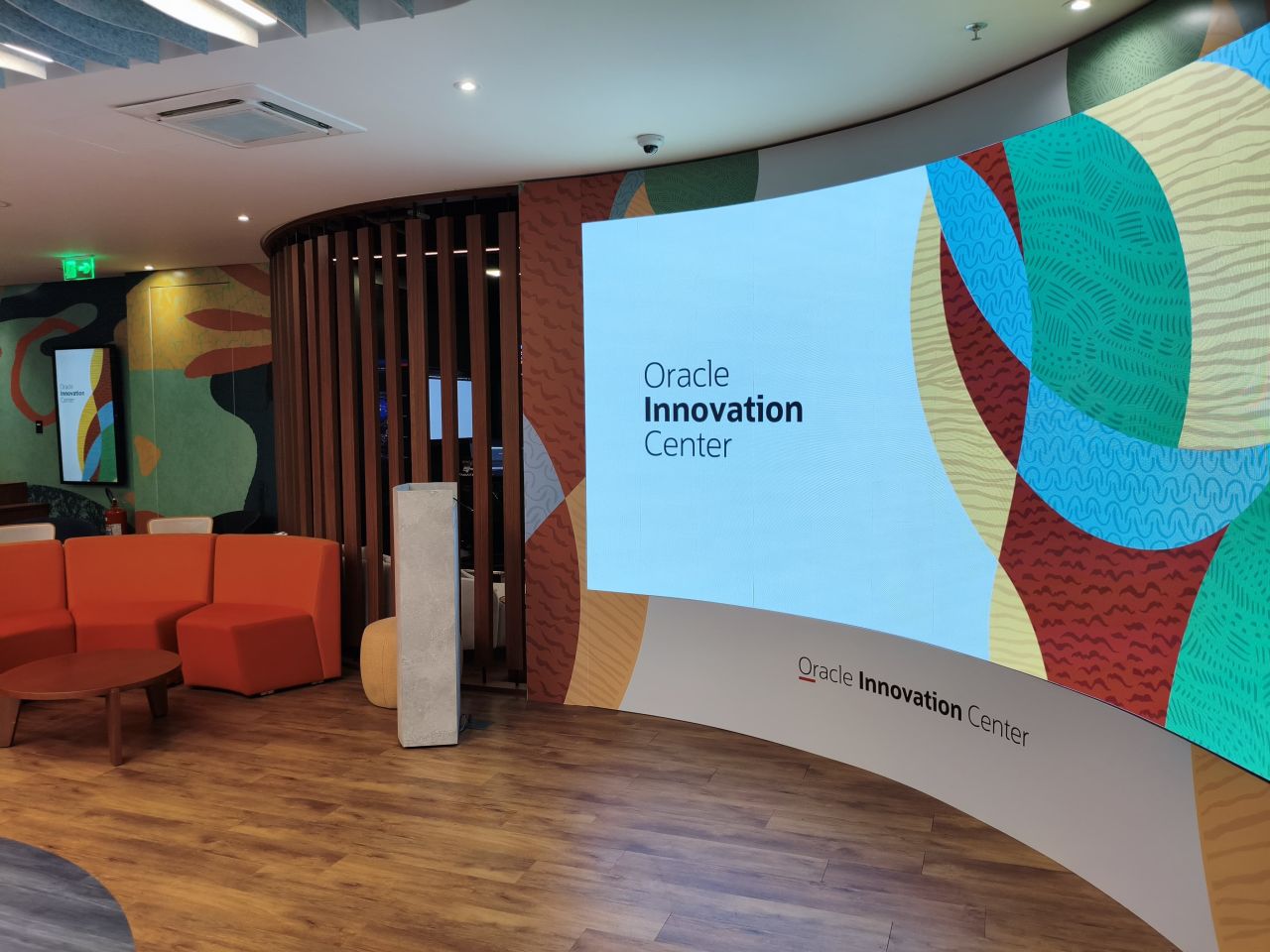
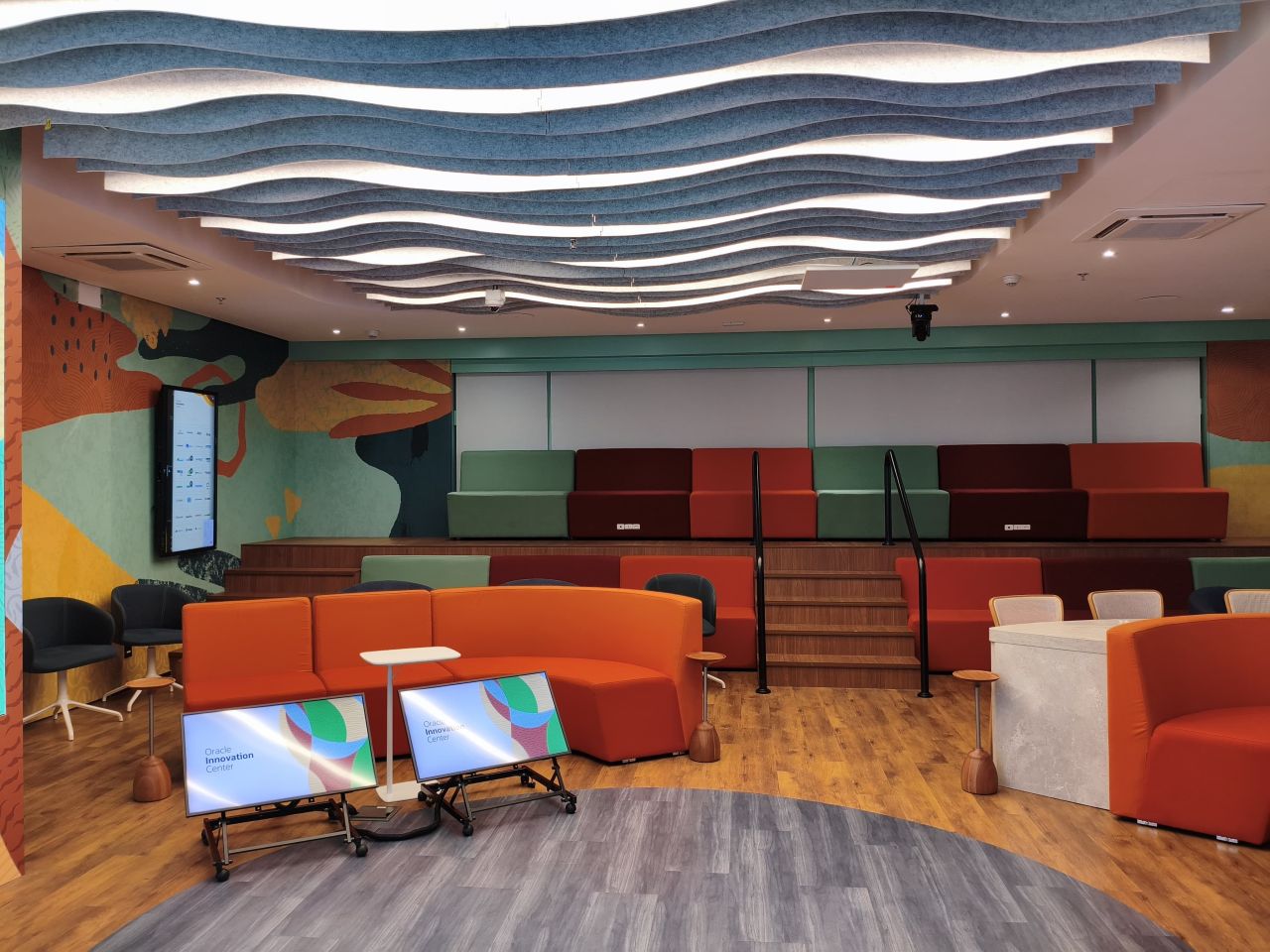
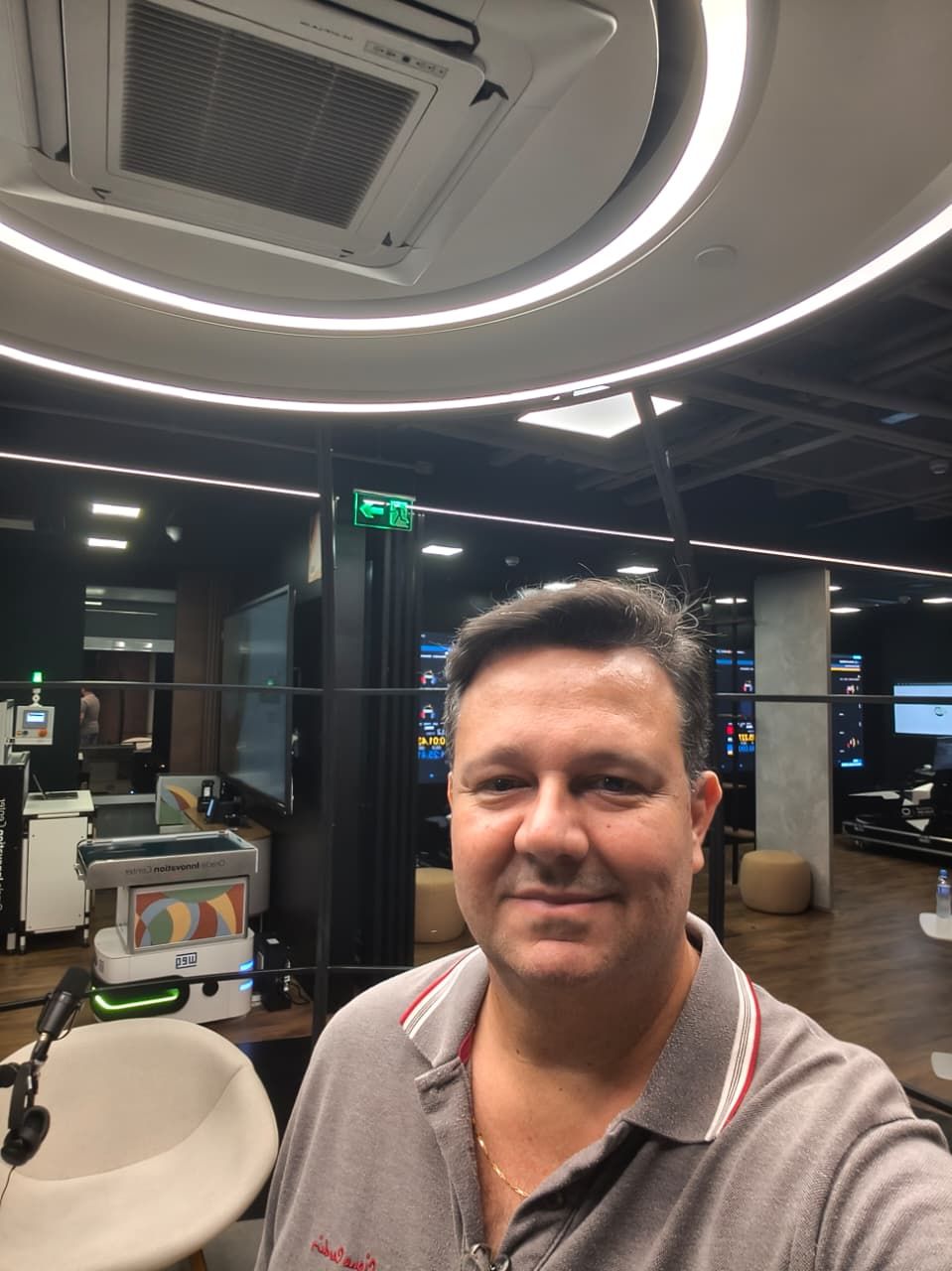
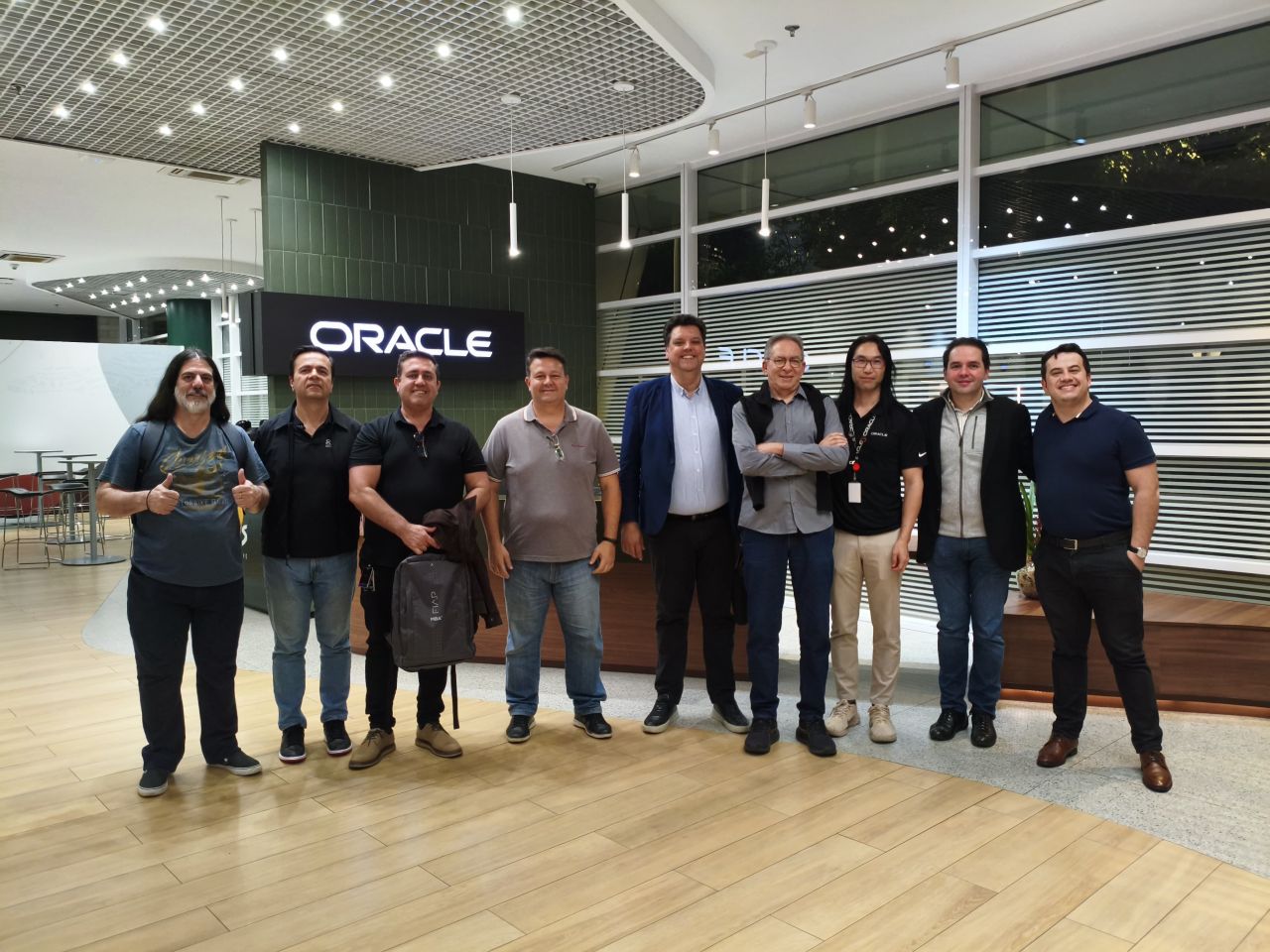
A PodTecno episode at the Oracle Innovation Center

PodTecno, a technology and business podcast on YouTube, recorded a special episode at the Oracle Innovation Center, in São Paulo: about three hours on artificial intelligence, multicloud, green data centers and the cultural shift that innovation drives. The original post is by Marcelo Turco de Jesus Lino, of MAAS Consulting, part of the PodTecno team.

image 1/10image 2/10image 3/10image 4/10image 5/10image 6/10image 7/10image 8/10image 9/10image 10/10
1 / 10

I want to thank the PodTecno YouTube channel and Oracle, through Fabio, Visca, Marcelo, Jerônimo, André, everyone who is part of PodTecno, and also Wellington Pinto, WP, from Oracle, for the opportunity to take part in a qualified exchange, light in form but deep in content.

Being in that environment was more than getting to know an innovation facility. It was observing, up close, a relevant point on the Brazilian technology agenda.

Oracle brings together, in Brazil, a level of technology, maturity and execution capacity that is still often perceived as something distant, restricted to international markets or to large global innovation centers.

That perception needs to change.

What I saw reinforces an important conviction: Brazil already has the environments, talent and structures to sustain much more advanced conversations about technology, artificial intelligence, digital infrastructure, efficiency and business transformation.

Thank you for the welcome, the trust and the quality of the exchange.

Experiences like this should not stay with those who were in the room. They should be amplified, discussed and taken to more decision makers.

Marcelo Turco de Jesus Lino, Viscaino Jr., Jerônimo Lira, Fabio Quintanilha, Rodrigo Calvozzo, André Brianezi, Weligton Pinto, Humberto Fukuda, Iago Godoy, Antonio Figueiredo and Pedro Izzo Palauso.

Post page · Comment on LinkedIn

Jun 30, 2026

In 2020, I was responsible for almost 500 direct jobs

image 1/11image 2/11image 3/11image 4/11image 5/11image 6/11image 7/11image 8/11image 9/11image 10/11image 11/11
1 / 11

In 2020, I was responsible for almost 500 direct jobs. I had the bank, the union and suppliers on my side. I had nobody above the operation sharing the decision with me.

I set up structured support groups, negotiated with every front, held on to what could be held. The technical people solved the mechanics. None of them carried the decision. I had a good partner, but his position did not reach where the bill was signed.

What was missing was not one more specialist. A good technical team becomes an alibi: you confuse whoever executes well with whoever decides beside you, and you go on alone thinking you have company.

That is the hole a real Board fills: presence above the operation, not a report after the damage.

And you, today, do you have someone who shares the decision, or only people who execute their part?

A technical team divides the task. A Board divides the weight of the decision.

The cost of not having a Board does not arrive in the crisis. It arrives earlier, in the decision you signed alone.

Post page · Comment on LinkedIn

Did one of these posts describe your company?