Changing direction has a reputation for instability










Changing direction has a reputation for instability. That is why almost nobody changes: they change the speech and keep the portfolio.
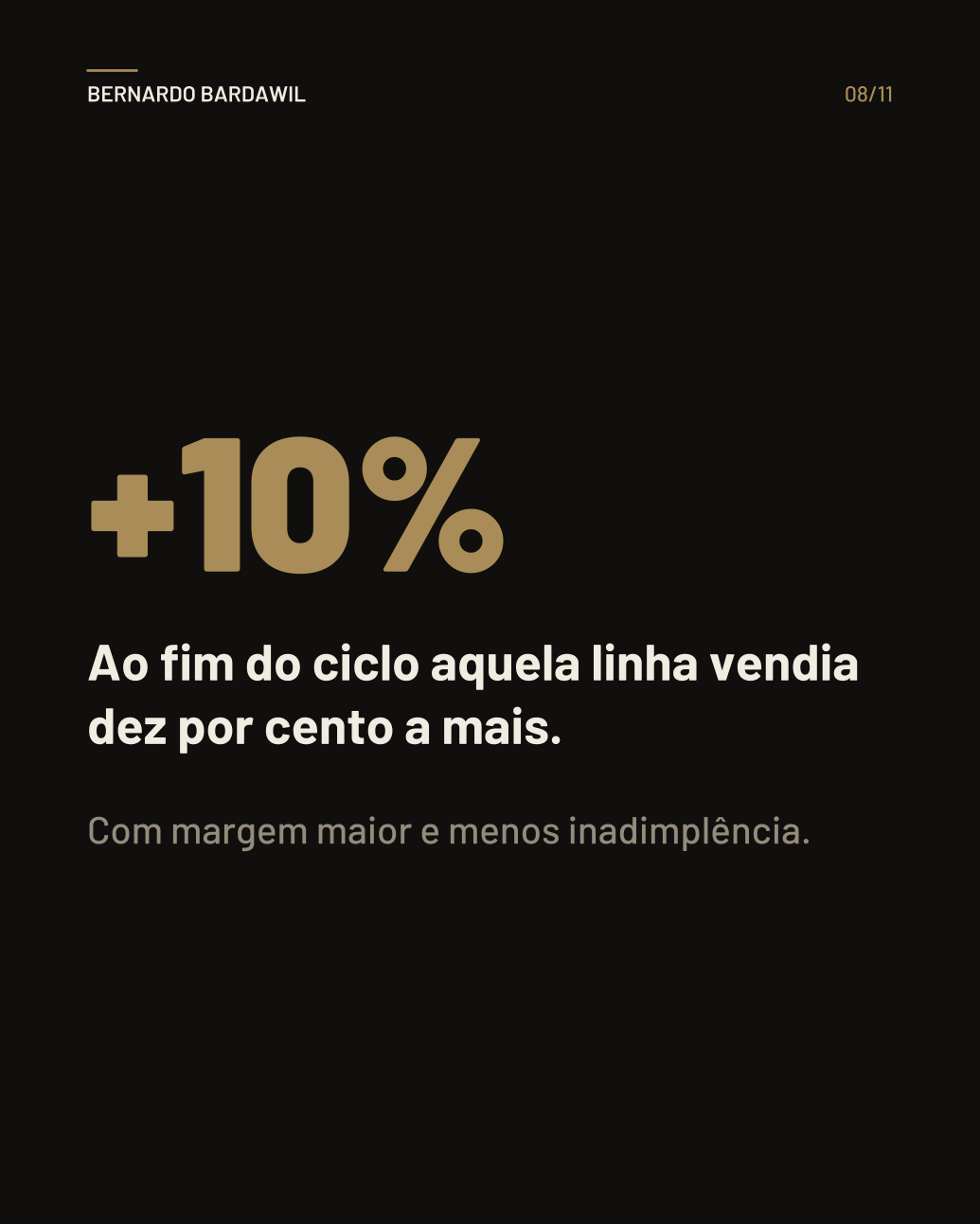
In 2016 we sold more than two thousand truck tires to fleets that bought one or two hundred at a time. The industry began serving them directly, at factory prices. A distributor does not compete with the factory. Instead of fighting on price, we changed the customer profile: accounts of up to fifty tires. Then it happened again, and we went down to ten. By the end of the cycle the line was selling ten percent more, with higher margin and fewer defaults.
In 2023, in energy, the change was in purchasing. We stopped importing from China and started buying stock on the ship: shorter lead time, and cash stopped spending ninety to one hundred and twenty days outside the company.
Downgrading the customer and giving up direct purchasing look like retreat. They were the two most structural changes in both companies. Direction is measured by what the company accepts to lose.
• While you hold on to the big customer, it is your margin that pays for his discount.
• Money sitting in lead time does not show up on any line of the income statement, and that is why nobody cuts it.
• When the change comes late, the portfolio is not migrated. It is rebuilt.
Every stuck company is defending a portfolio that has already been beaten somewhere else.
Also published on LinkedIn, where the conversation continues in the comments.
Previous postJust culture at the Airport Safety Convention