Cash got stuck
The bank pressing, expensive debt, inventory or receivables locking up the money of an operation that makes a profit.
Board Member · Advisor · 25 years operating before advising
I work with owner-led companies at two moments: when cash gets stuck and when the decision gets stuck between people.
The entry point is a diagnostic with fixed scope and price. In 3 to 4 weeks you know where the problem is, what it costs in cash and margin, and you get the decision agenda with names and dates.
I work by message only. I reply telling you whether it is a case for a diagnostic or not.
Associate Director, Arbor Cento

One question before anything else
This is one of the 20 questions in the ISD, the instrument I use on Boards. The other 19 show where your decision structure stalls, and what that costs.
Answer the other 19This week's post
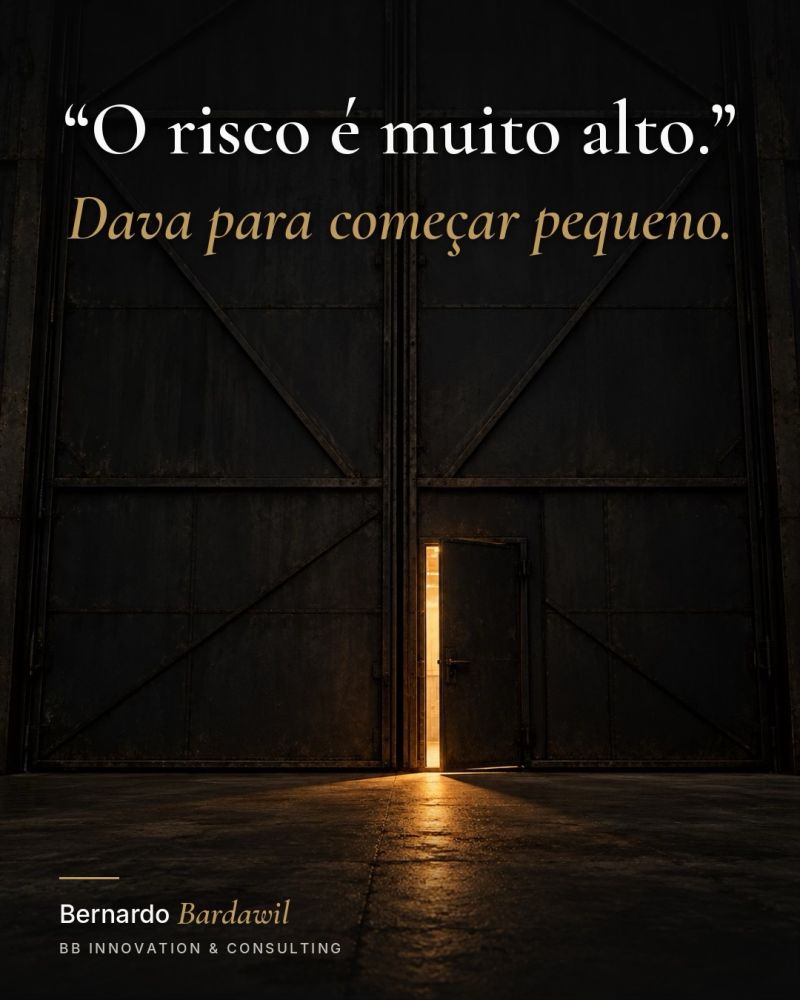
I once wanted to bet on something and the conversation ended in one sentence: "the risk is too high."
It was true. The technology was not ready yet, the concept was abstract and there was no way to measure the risk. Nobody bought the bet.
Today what was abstract is working, and the same bet would have paid off.
I do not tell this because I was right. Being right after the numbers close is easy, and those who said no were not wrong to be afraid.
The problem was something else: the sentence ended the conversation. "The risk is high" answered whether the whole bet was worth it, when the useful question was the smallest size of it that lets you learn without breaking.
Waiting is also a bet, only without a number and without an owner.
In an owner-led company, the same sentence stalls expansion, the successor and the new partner. And it tends to stall everything at once, when it could have been decided in parts.
That is where I work with the owner: I separate what can be tested small from what needs to wait, and hand back the decision with a name and a date.
Which bet in your company is stalled whole, when it could start small?
Two moments
The bank pressing, expensive debt, inventory or receivables locking up the money of an operation that makes a profit.
Partners who do not get along, father and son fighting over the same chair, succession nobody has the courage to start. I lived succession from the inside, on both sides of the table.
I work with companies that still have an operation worth saving. When the honest answer is to close, I say so in the first conversation. I need access to the numbers from the start, and the diagnostic is paid because that is where the work is.
Why me
I started as a warehouse helper in a family business and reached the General Director role at the group's spin-off, reporting to the presidency. Along the way, I helped build an operation that reached 10,000 cars a month in peak months and came to account for half of the company's retail. Then I moved into energy, expanding operations to 18 states.
25 years operating before advising.
Boards
Presence
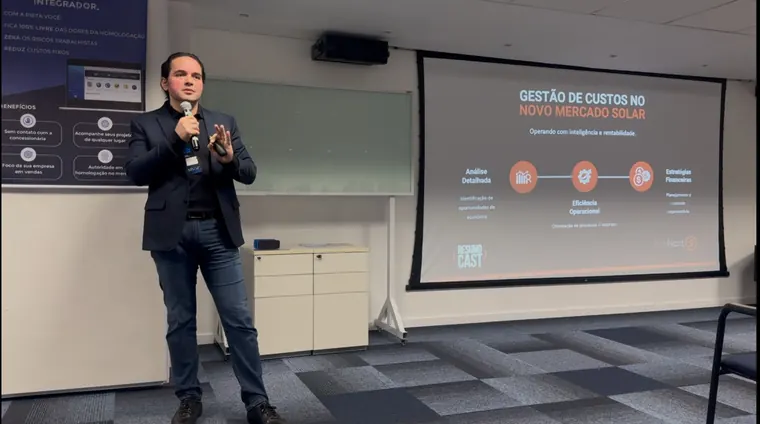
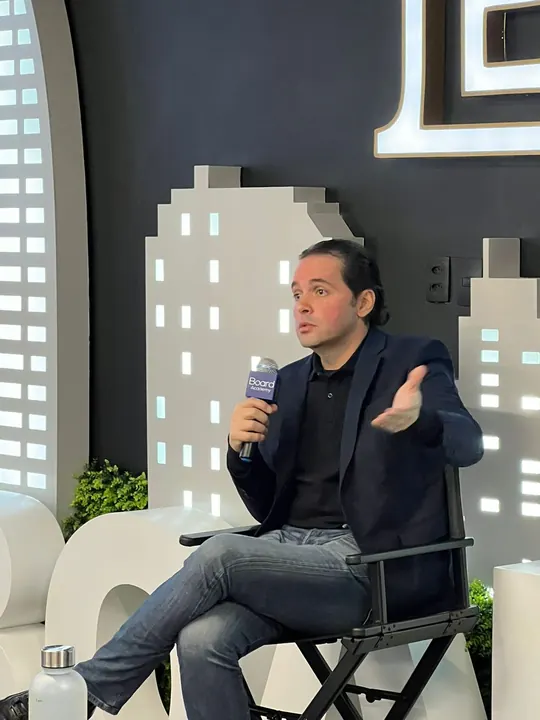
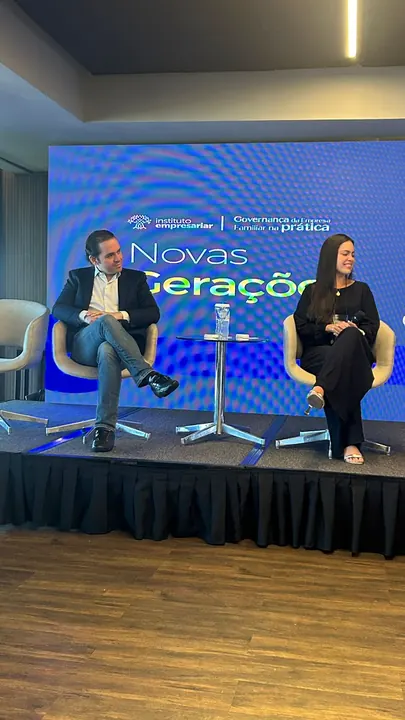
I also take this theme to talks for owners and leadership in the same room, on the cost of not deciding.
“Many people give opinions about decisions. Few actually make the decision happen. Bernardo is in the second group.”
Gustavo Carriconde · CEO of ResumoCast Venture Studio
Those who have sat with me
I have the privilege of having Bernardo as an advisor in strategic moments. He knows how to listen, provoke reflection and ask the hard questions that drive growth.
Robinson Felix · CEO and Founder at Clapesme
He took the companies he managed to remarkable results and made them stand out in the market. He has a very interesting strategic vision.
Fabio Sousa · CEO, President and Board Member
He thinks strategically and relates with great ease to every level of the structure.
Simone Pimenta · CHRO, Board Member, M&A
Posts
Minutes No. 047/2026.
Oct 28, 2026Two decision-makers in the same room do not form a partnership. They form a queue.
Oct 27, 2026The sentence I heard most this year, at owners' tables:
Before we talk
The ISD, Decision Sustainability Index, is the instrument I use on Boards. Twenty questions about recent facts in your company, not opinions. At the end you see the zone of your structure and the pillar that weighs the most.
Applied in energy, technology, consulting and venture capital companies.
Start the ISDLet's talk
By message only, here or on LinkedIn. A direct reply from me.
LinkedIn →This site uses first-party navigation measurement, hosted on its own domain, enabled only with your consent.
 ResumoCast
 Linus Green Energy